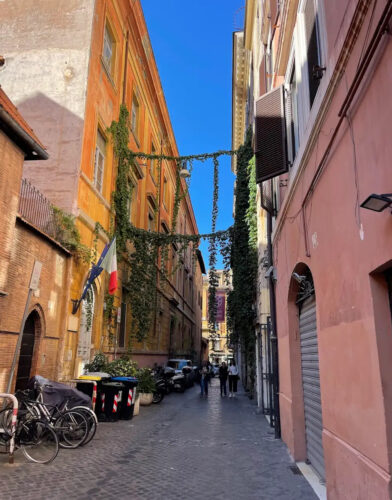
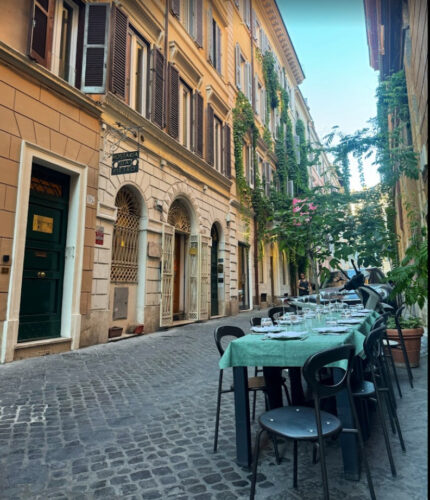
After a last breakfast on the Silver Ray and a well organised disembarkation, we were met by our Welcome Pickup driver and set out for Rome. The Port is quite a distance from Rome so we spent an enjoyable hour checking out the scenery before arriving at our accommodation. It was located down a small cobble stone lane, non accessible to vehicles so was difficult to get our luggage in and out of but transformed into an excellent street restaurant at night. Our check-in was 2pm but Matteo, our host, kindly agreed to meet us and secure our luggage so we could explore.
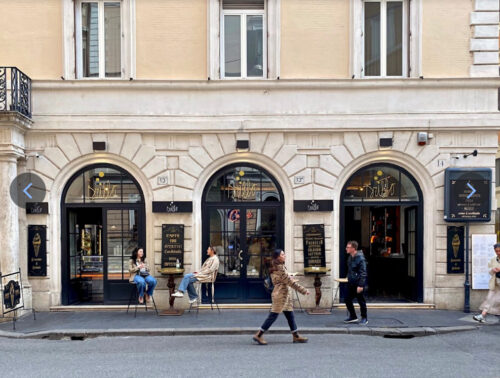
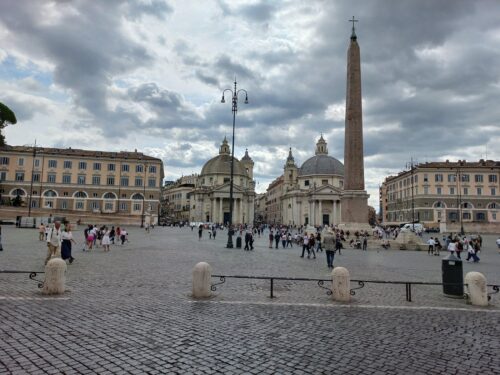
A few steps from the apartment was Via del Corso with its shops, cafes and gelateries so our first stop was for coffee whilst we contemplated our next move. The Piazza del Popolo was nearby with its beautiful twin churches, statues and fountains. On the far side, tucked away, was the Leonardo da Vinci Museum.
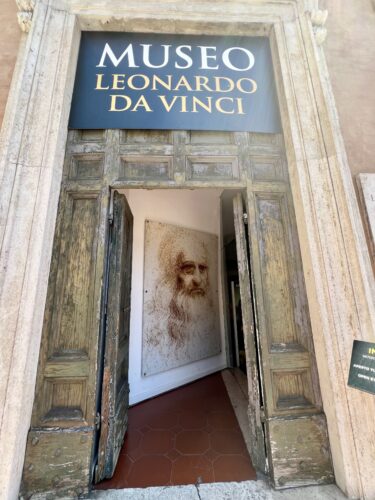
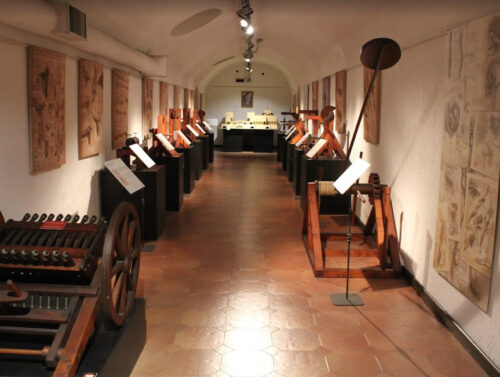
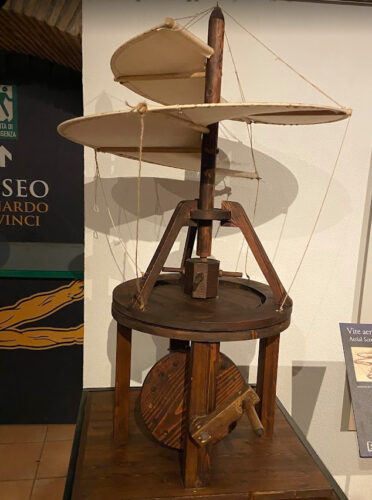
That’s as far as we got. The museum is dedicated entirely to Italy’s great engineer and artist, featuring a collection of more than 60 inventions modelled after Leonardo’s machines. There was so much to see with working models of many of his inventions plus drawing studies for some of his most iconic Renaissance paintings and impressive sketches of human anatomy. It was quiet and cool and, unlike many of Romes attractions, not crowded, so you could take your time to study the intricate designs.
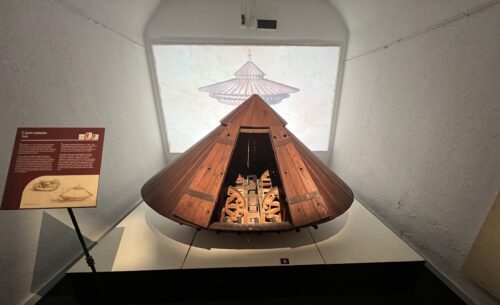
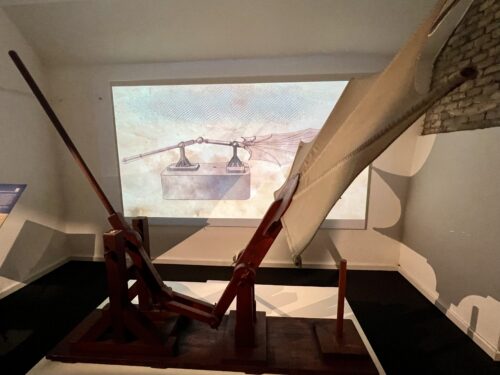
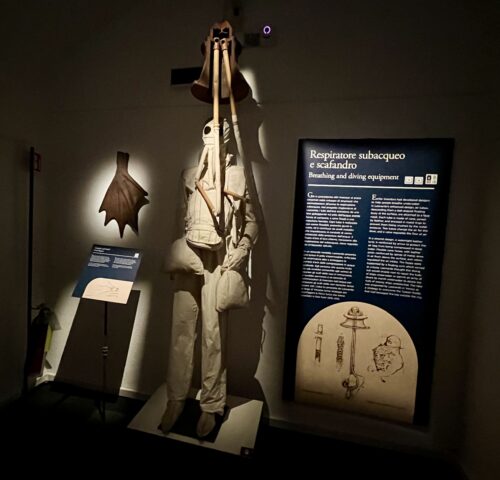
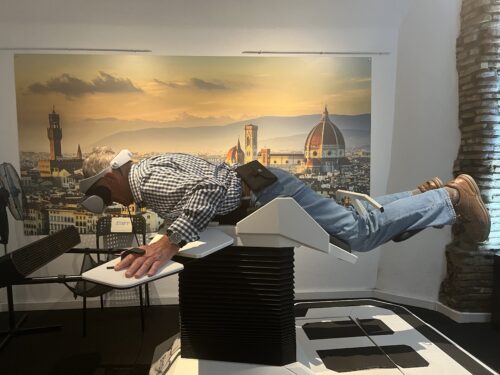
As a bonus there was a virtual reality flight experience offering a breathtaking journey back to Renaissance Florence. This immersive simulator allows you to soar above the historic city, providing a unique perspective on its architecture, landscape, and life during Da Vinci’s time. My control was not as good as it was could be and I ended up in the villas on the outskirts, flying through the gardens and courtyards. A unique garden tour!
The hours to check-in passed quickly and, after purchasing the compulsory gelato, we headed back to our apartment and settled in. The apartment was comfortable with the standout feature being the roof top terrace with views over the Rome skyline. Over the next few days we virtually lived out there.
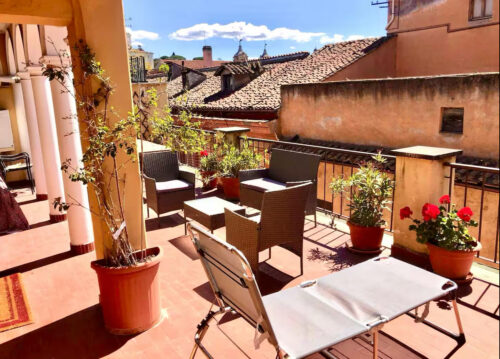
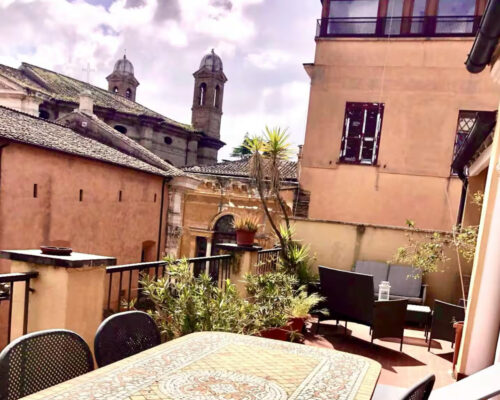
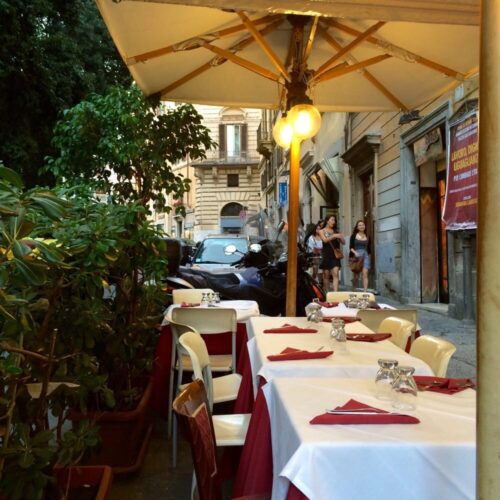
Dinner that night at Brills, a sidewalk café nearby and so to bed to get ready for our visit to the Vatican and the Basilica the next day.
31st May
Despite our careful planning our visit to Rome did not run smoothly – starting with today. We made our way to the tour meeting point. It was hot and very crowded. Despite ‘skip the line’ tickets there was quite a wait to get into the Vatican and we were advised that the Basilica was closed due to the new Pope hosting an event, so everyone was being redirected to the Vatican Museum.
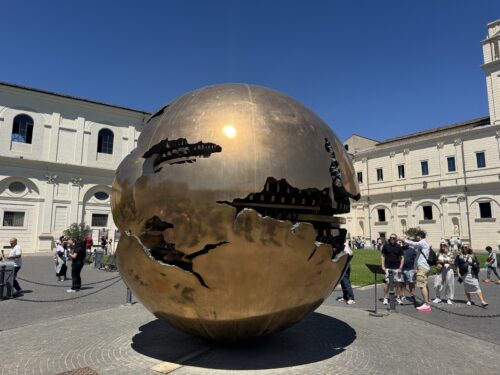
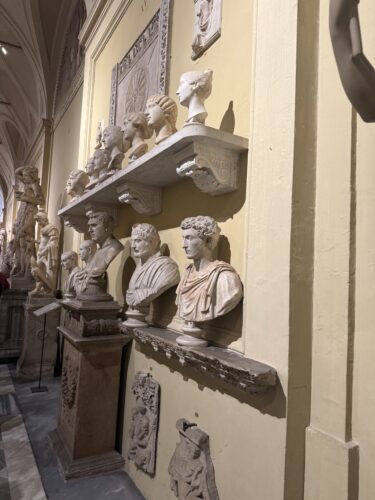
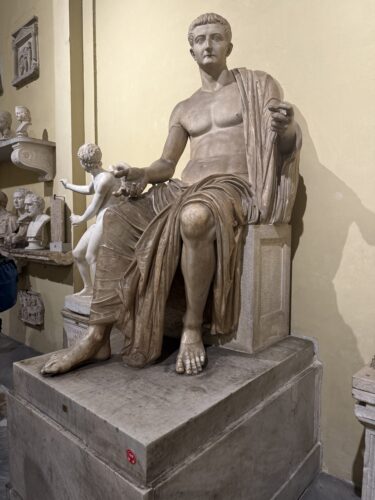
Though the tour started well, within 30 minutes the crowd started to build until there were so many people the only way you could see the exhibits was to hold your phone up, take a photo and look at the photo. We lasted an hour before abandoning the tour and heading back to the apartment to relax in the airconditioning and get ready to entertain some friends we met on the Silver Ray.
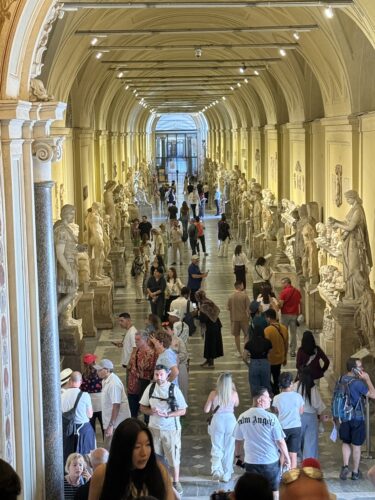
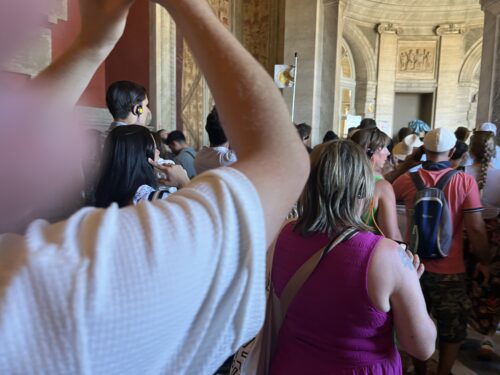
Though the day had been disappointing, things definitely looked up over a few drinks with good company and decidedly improved when we discovered our little lane way not only transformed to a restaurant but a highly recommended one.
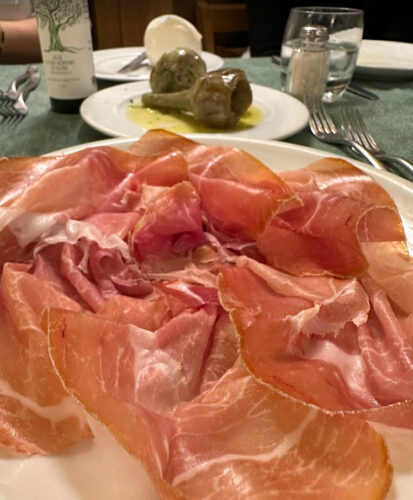
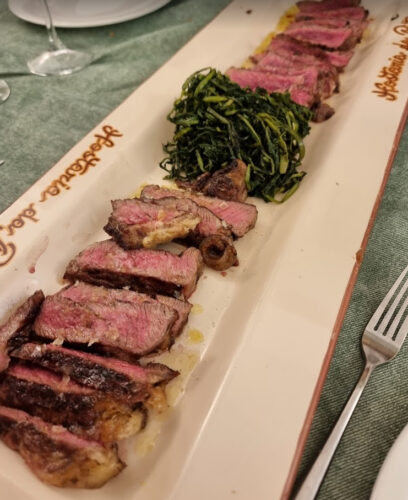
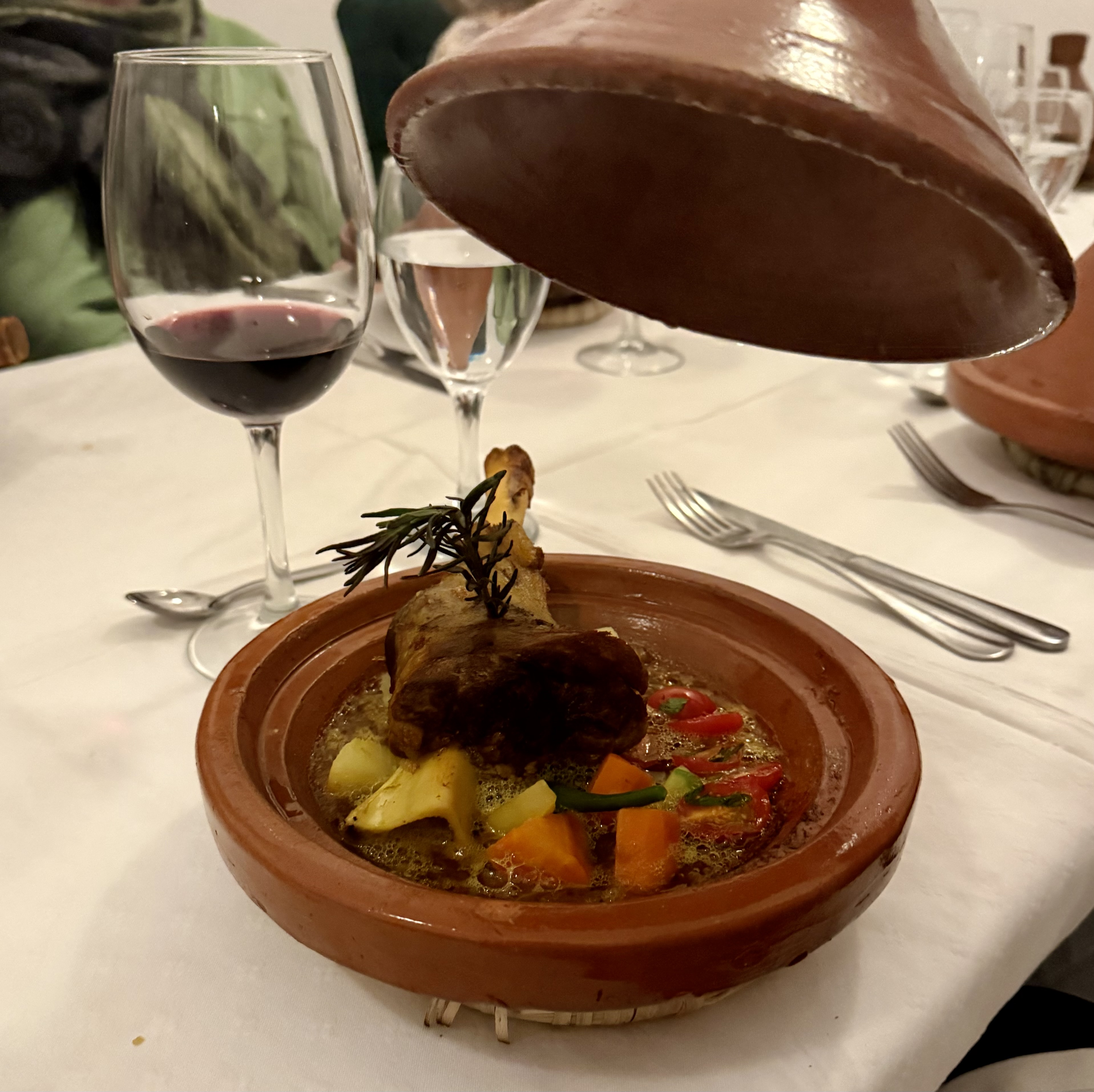
Our meal at Hostario Dan Pietro was excellent and didn’t disappoint. We tried a number of beautifully cooked and tasty dishes and had several glasses of good wine. Our apartment was only two doors down – not far to go home!
A lazy Sunday started with a leisurely breakfast/brunch on the terrace, reading and observing the seagull chicks as they made their wobbly way around the tiled roof.
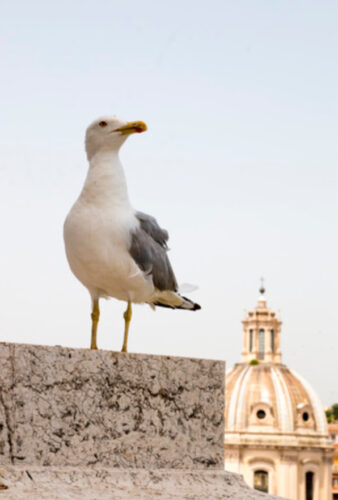
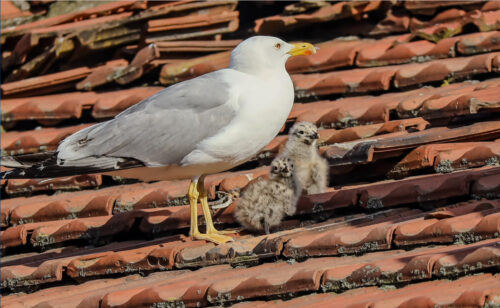
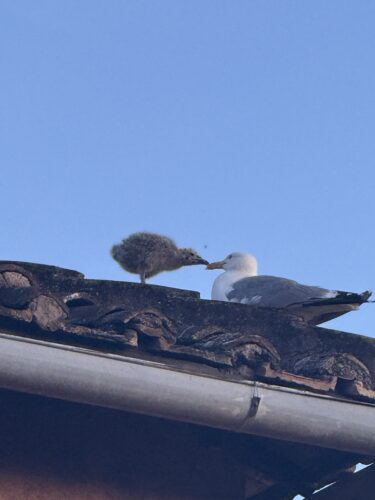
We had been curious about a clucking sound we kept hearing and finally worked out it was seagull chicks. There are thousands of yellow legged gulls in Rome and they nest and raise their young on the rooftops – a precarious existence.
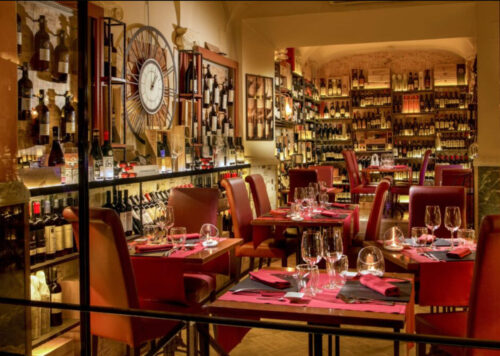
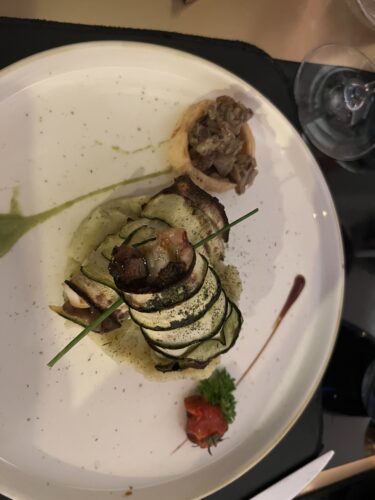
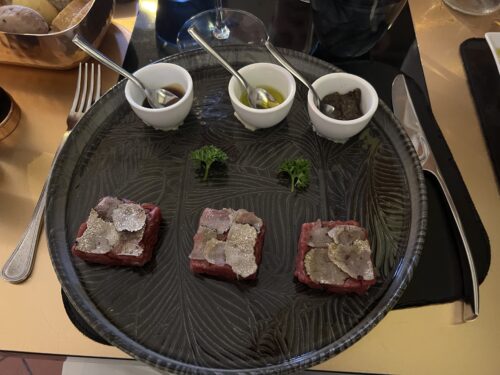
As the day got a bit cooler we took to the streets for a bit of shopping and some sightseeing and to try another of Matteo’s suggestions. The Ad Hoc Ristorante is housed in a 15th century building, not far from the Piazza del Popolo. Their cuisine is traditional Roman, meat and fish and their specialty is the truffle.
We were warmly welcomed and served several small dishes, all of which were delicious.
2nd June
Our plan for today was to get up very early and to do our sightseeing before the heat and the crowds. Our miscalculation was that this was Italy’s national holiday, Festa della Repubblica (Republic Day). The celebrations include a solemn flag-raising, the President laying a wreath at the Altare della Patria, and a large military parade along Via dei Fori Imperiali, which meant the Forum and the Colosseum were closed as were many of the surrounding streets and the crowds were enormous.
Blissfully unaware of what was ahead we set off about 6am. This was Rome at its best. The street cleaners had been through and the streets were clean, the weather was mild and there were only a handful of people around. We visited the Spanish steps,
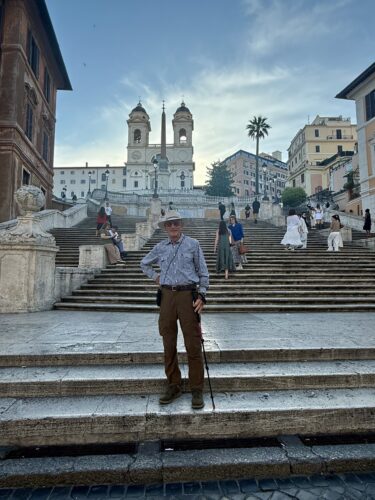
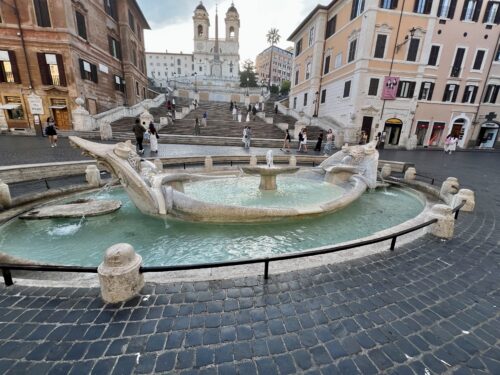
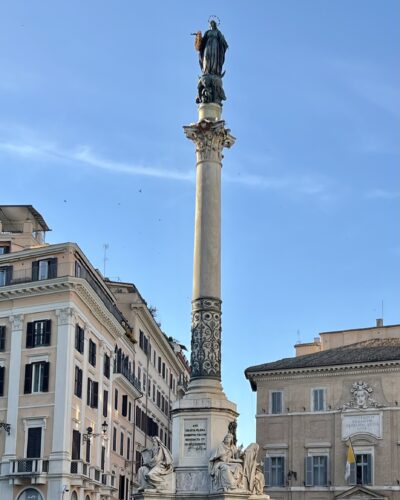
window shopped our way to the Trevi Fountain admiring the architecture and ornate doors, windows and statues on the way.
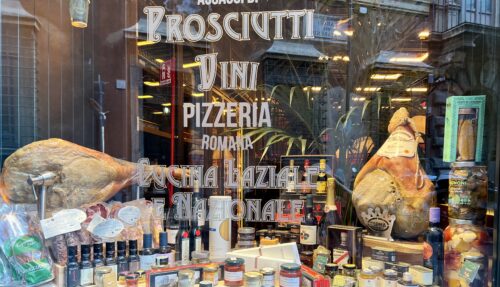
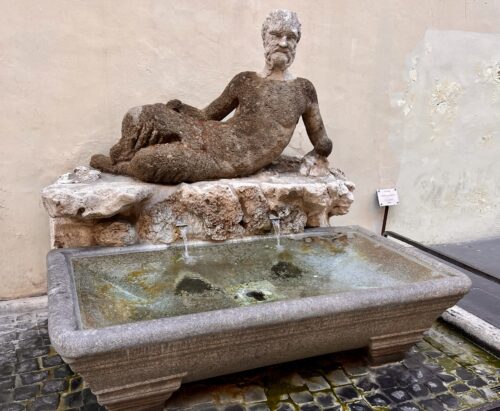
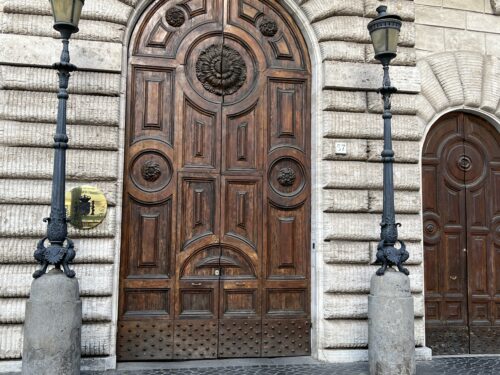
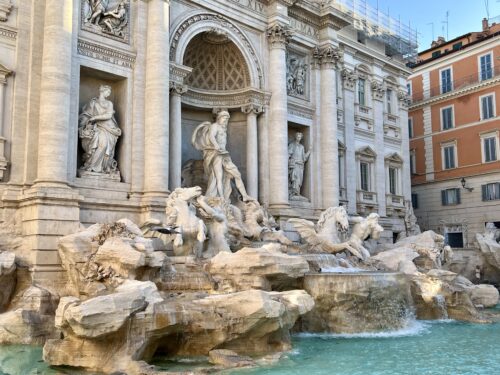
By 7.30 am the number of people out and about had increased but it was easy to get to the edge of the fountain to throw a coin or take a photo.
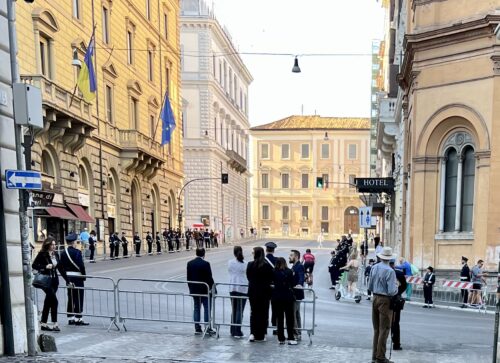
Our planned visit to the Forum and the Colosseum was on track and we were just congratulating ourselves when we reached Via del Plabiscito and found all roads did not lead to the Forum or the Colosseum.
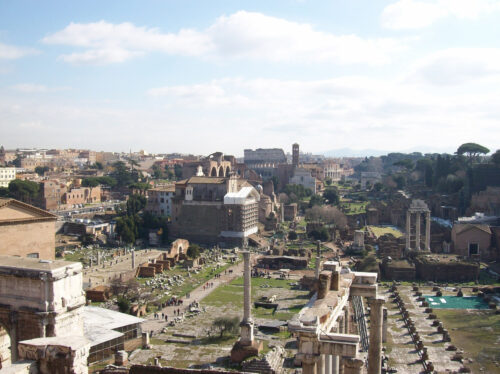
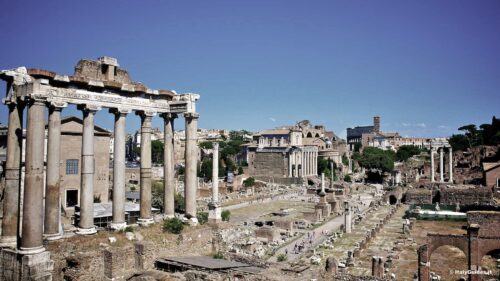
The route of the Republic Day Parade is lined with security and no one is allowed to cross. By winding our way through the side streets we managed to find some vantage points to view the Forum
We arrived at the Colosseum in time to watch the firefighters abseil down the side unfurling a giant Italian flag as they went. An impressive display considering the coordination it would take to keep the flag level throughout.
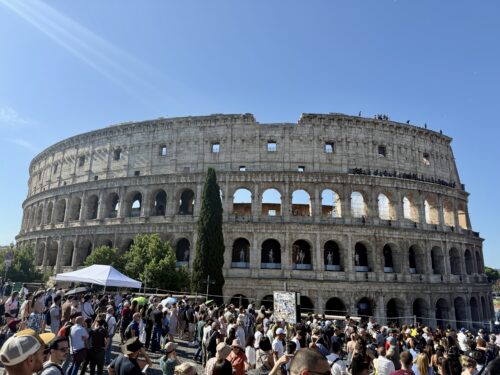
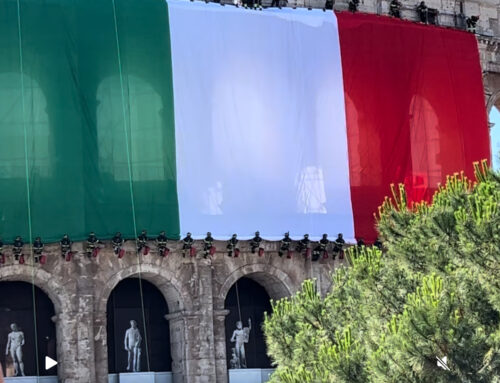
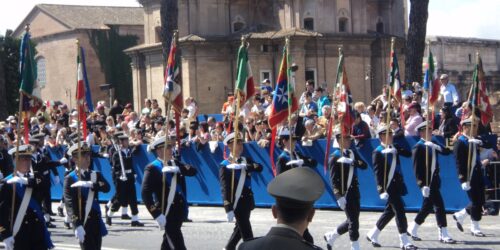
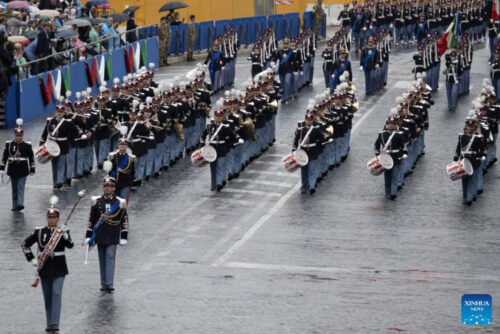
From our vantage point near the Colosseum we could see the marchers assembling for the Republican Parade. The marchers in the Parade number over 1,000 and include members of the Italian Armed Forces, including military units and paratroopers, as well as all the police forces, the Vigili del Fuoco (firefighters), Protezione Civile (civil protection), and the Italian Red Cross. The parade also includes representatives from the United Nations, NATO, and EU military delegations.
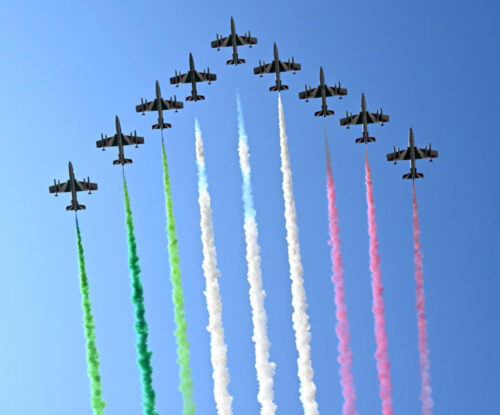
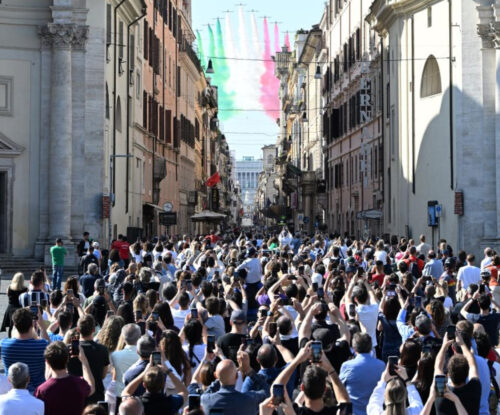
The day also featured a fly pass by the Frecce Tricolori aerobatic team. The Frecce Tricolori are widely considered one of the world’s best aerobatic teams, known for being the largest in the world with ten Aermacchi MB-339s flying in tight, complex formations. They are renowned for their skill and represent the Italian Air Force, showcasing both precision and spectacular flight maneuvers.
Whilst our day hadn’t gone exactly as planned and we missed out on visiting the Forum and Colosseum, there were no complaints (or not many). We had been part of the celebrations and enjoyed a spectacular event.
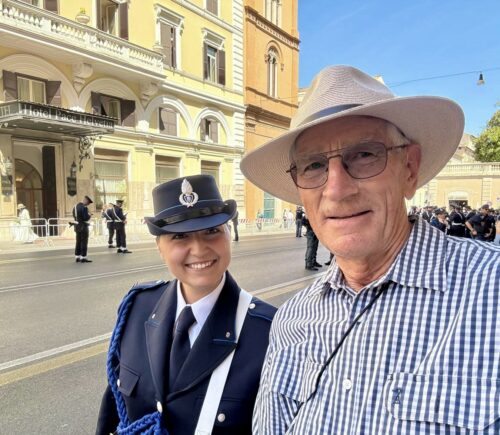
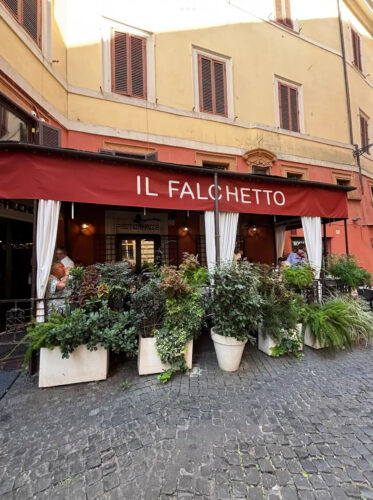
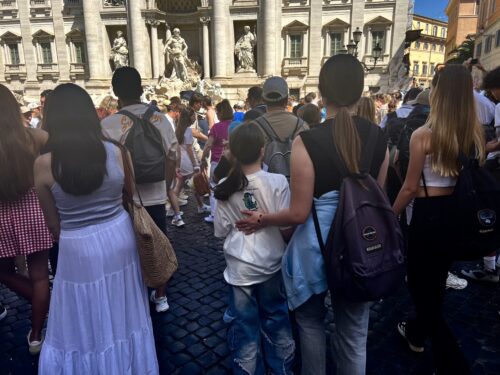
The trek back through the crowded streets seemed long and we were pleased to get home and put our feet up. but we stopped to chat with some of the police who had been securing the route and found a pleasant stop to have a drink and a snack. Not a chance of throwing a coin in the Trevi Fountain.
June 3rd
Our last day in Rome and it was out into the countryside. I had visited Hadrians Villa and the Villa d’Este on a previous visit and was keen to make a return visit.
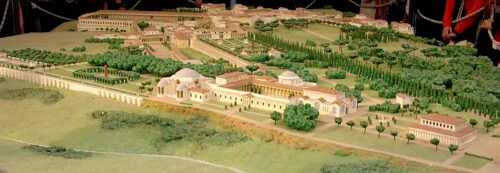
Hadrian’s Villa is an exceptional architectural legacy of the great Roman Emperor Hadrian. He travelled widely across the Empire in order to learn more about the different lands that he ruled over and this is reflected in the mix of Egyptian, Greek and Roman architectural styles in the villa,
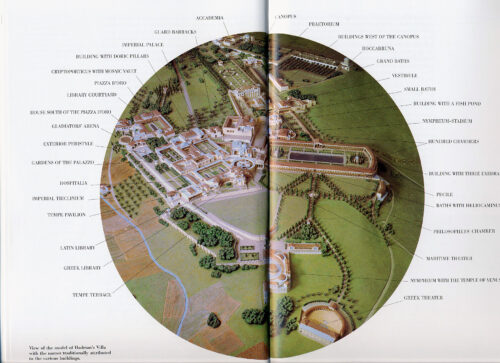
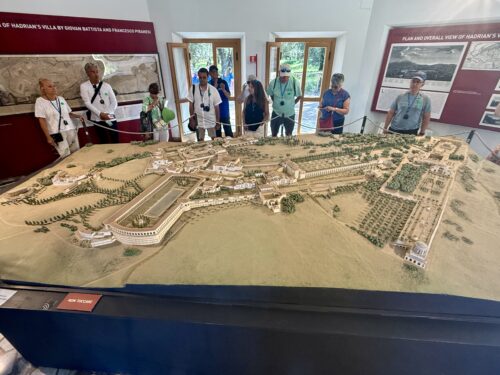
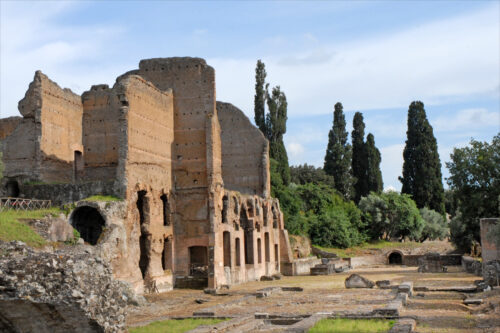
Built as a retreat from Rome between 117 and 138 AD the remains of some 30 buildings extend over 120 hectares. It is one of the most impressive Roman villas ever discovered in terms of size. Although a lot of the villa has been excavated, many parts remain hidden and archaeological work continues to this day.
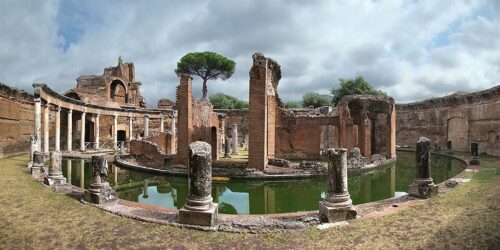
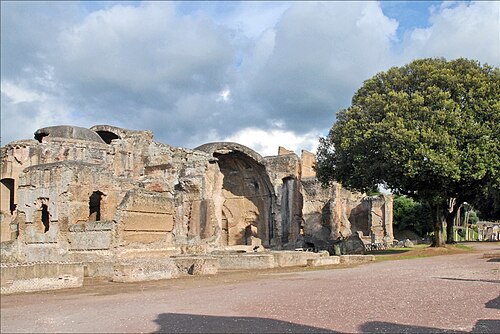
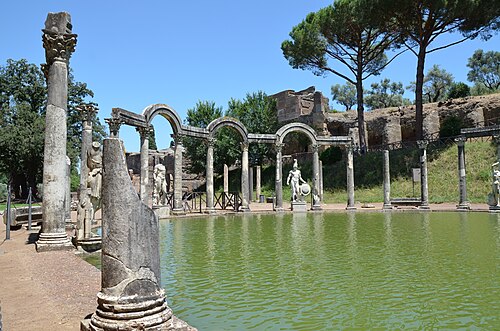
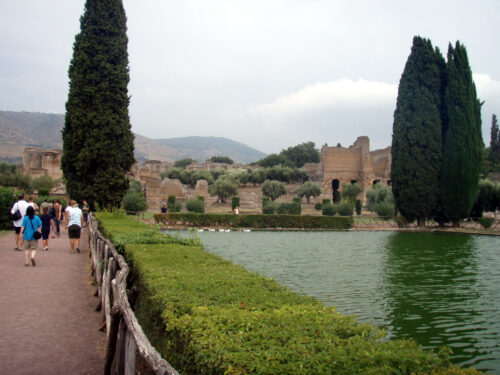
Some of the highlights of this site are the Maritime Theatre, the Great Thermal Baths, and the Canopus, which was inspired by an Egyptian city of the same name and whose long, reflecting pool is meant to symbolise the Nile. Other parts worth noting are the Pecile, which is a large garden with a swimming pool, the Imperial Palace complex, and the Nymphaeum, which is a monument dedicated to nymphs.
Villa d’Este
We had a wander through the winding streets of Tivoli
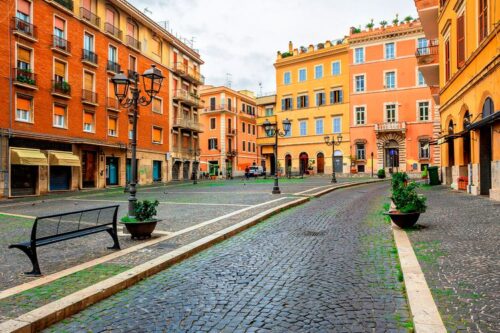
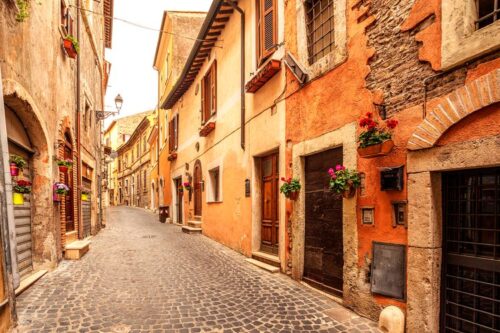
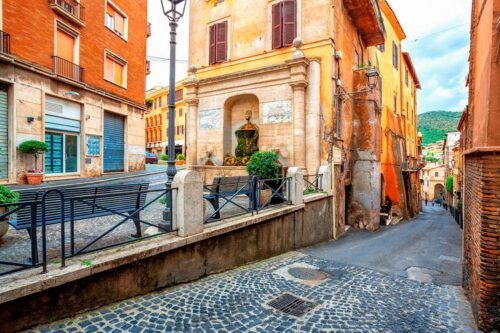
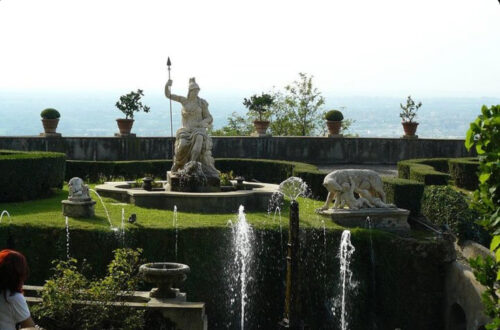
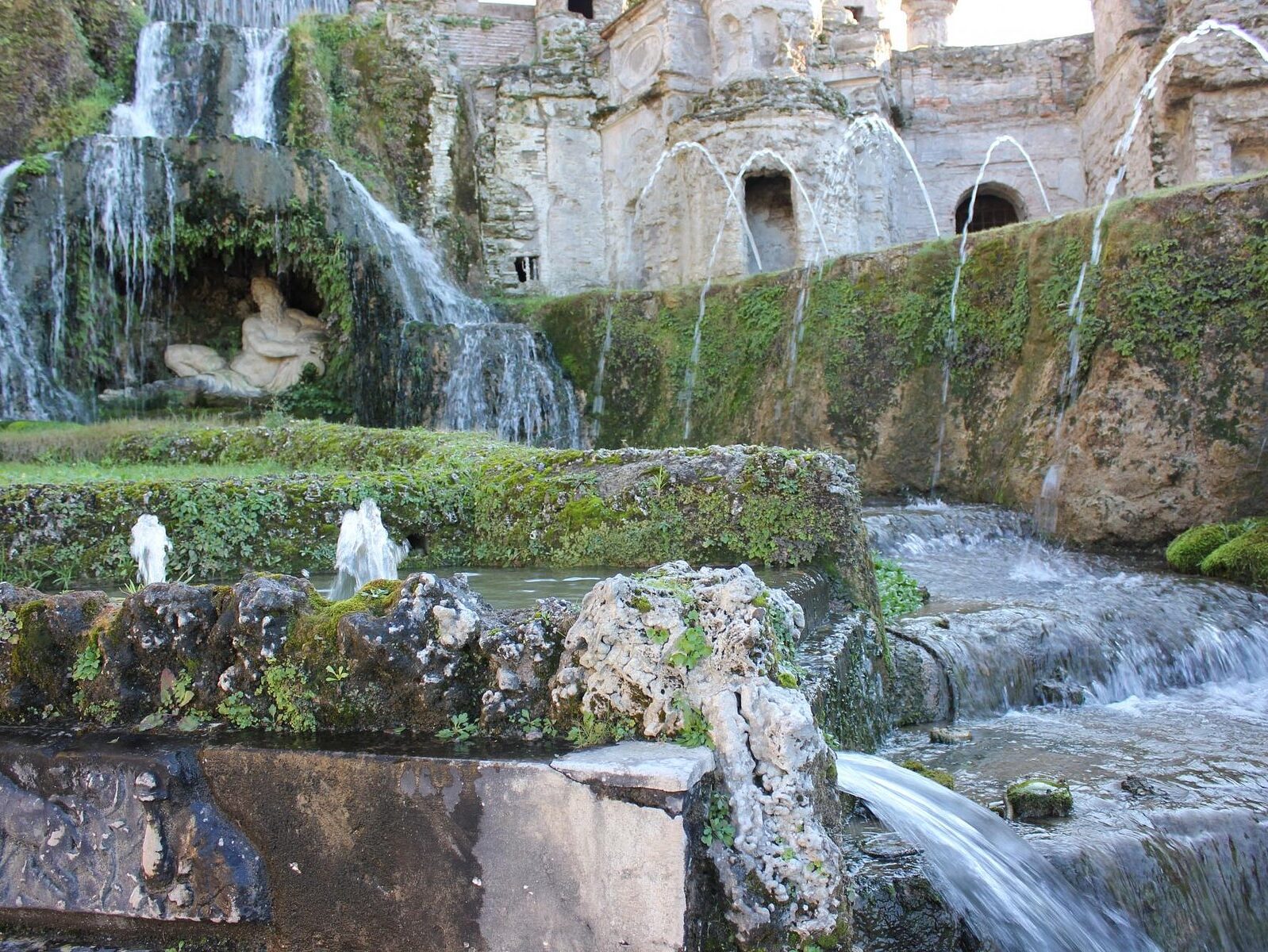
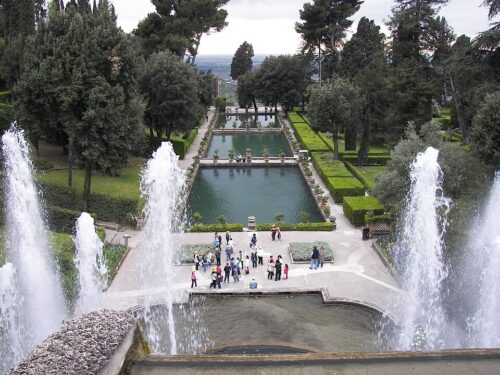
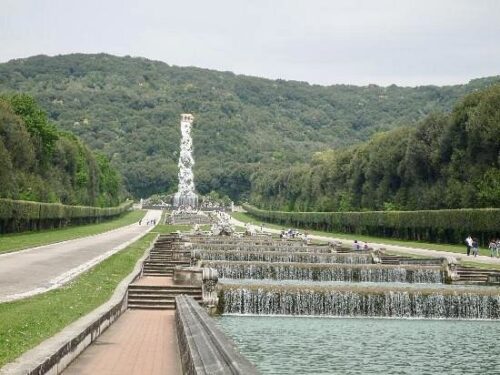
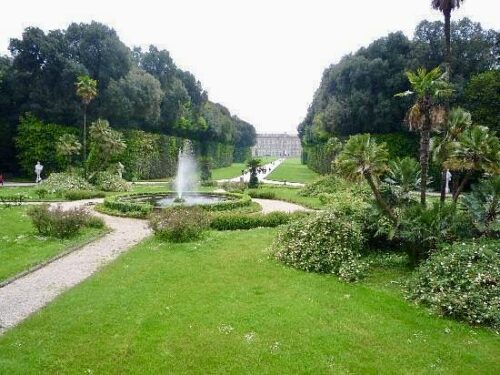
before entering the Villa d’Este, a masterpiece of Italian architecture and garden design famous for its terraced hillside Italian Renaissance garden and the ingenuity of its architectural features. The fame and glory of the Villa d’Este was above all established by its extraordinary system of fountains; fifty-one fountains and nymphaeums, 398 spouts, 364 water jets, 64 waterfalls, and 220 basins, fed by 875 metres of canals, channels and cascades, and all working entirely by the force of gravity, without pumps.
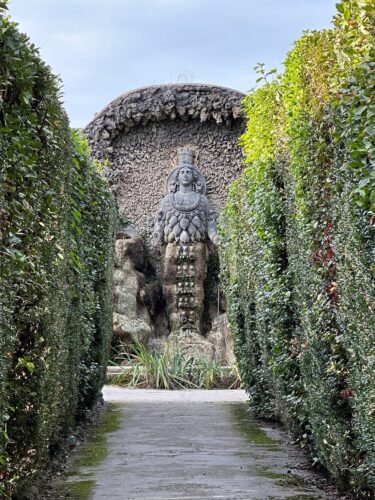
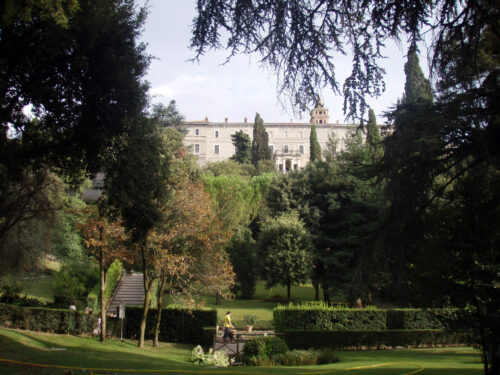
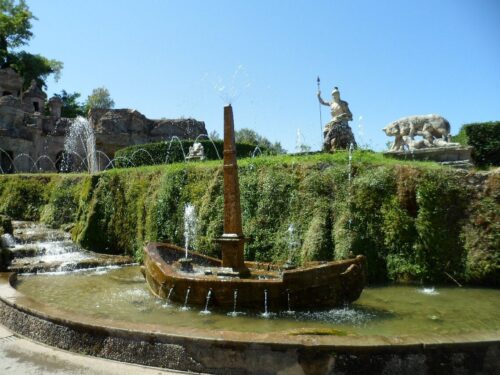
It is an incomparable example of a 16th-century Italian garden, which later had a huge influence on landscape design in Europe. It is now an Italian state museum and has been listed as a UNESCO World Heritage Site since 2001.
The Villa was commissioned by the wealthy and influential Ippolito (II) d’Este, the son of the Duke of Ferrara and Lucrezia Borgia, and the grandson of Pope Alexander VI. The Este family were lords of Ferrara, an intellectual and artistic centre that attracted the greatest minds of the Italian Renaissance.
Teams of painters and stucco workers labored on the task between 1567 and 1572, under the direction of some of the Renaissance most famous painters – Girolamo Muziano, Livio Agresti, Cesare Nebbia, Durante Alberti, Metteo Neroni, and Federico Zuccari.[4] The painters were joined by sculptors Giovan Battista della Porta. Pirrino del Galgliardo, Gillis van den Vliete, Giovanni Malanca, and Pierre de la Motte. They were also joined by ceramists and mosaic artists, as well as fountain engineers, led by Pirro Ligorio. .
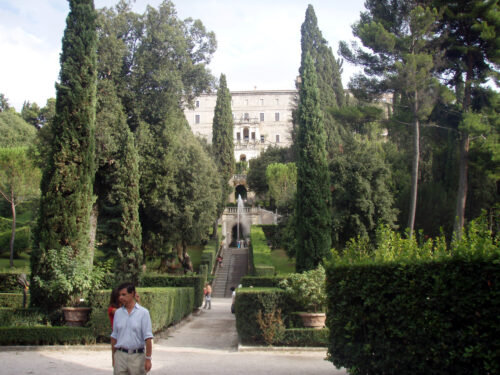
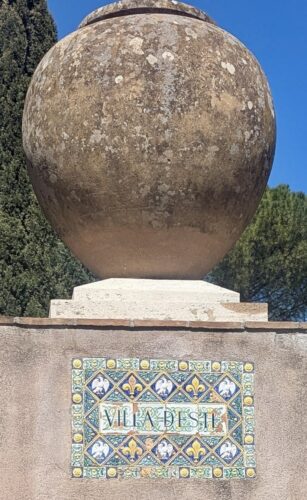
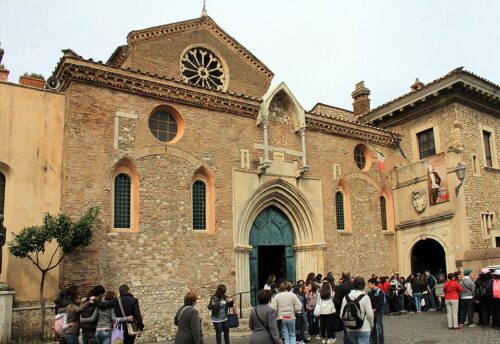
In the time of Ippolito d’Este visitors arrived at the bottom of the gardens, and ascended, step by step, to the villa, viewing the fountains and statuary. Today you enter through a modest doorway into the Courtyard and then into the building, where you can admire the large frescoed rooms.
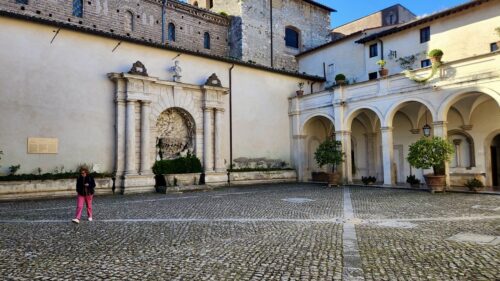
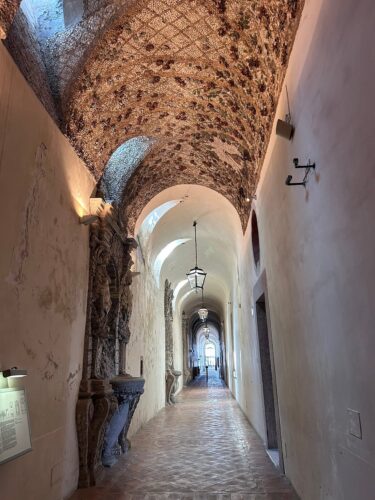
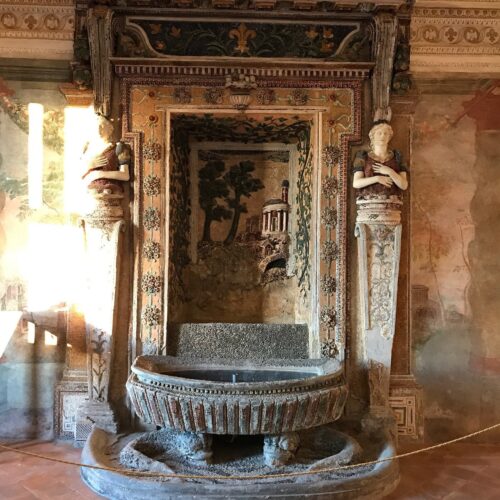
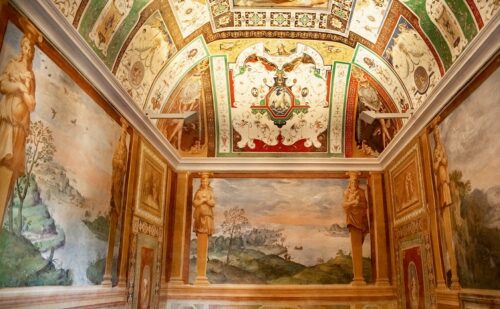
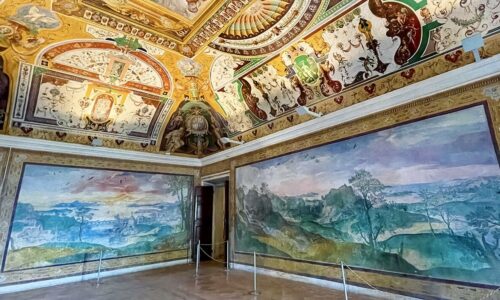
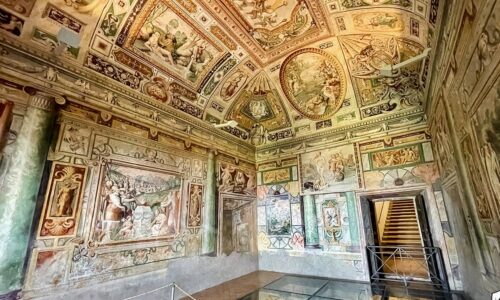
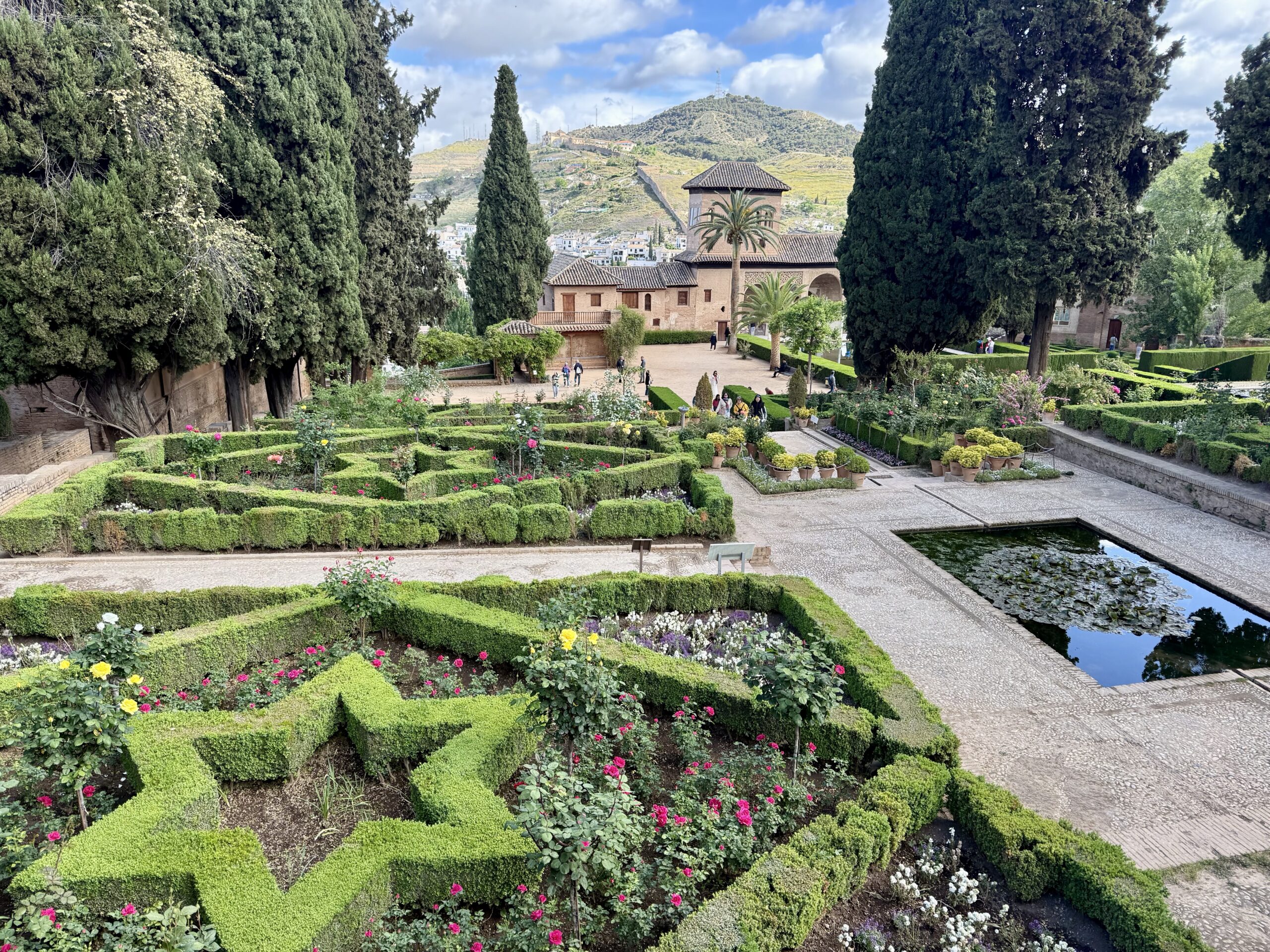
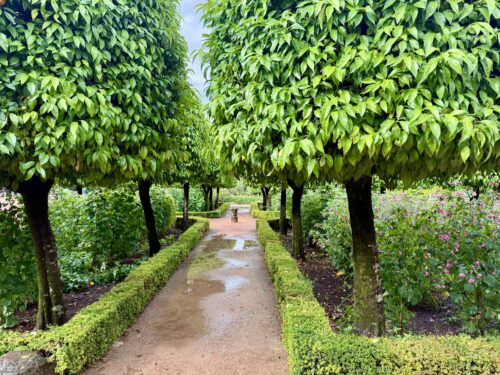
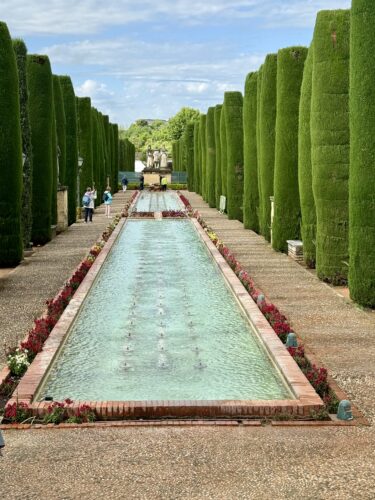
From there you continue into the wonderful gardens that form the scenic backdrop to the villa. The paths are defined by boxwood hedges and as you wend your way down the hillside you discover sculptures, mainly with mythological figures, caves, ornamental basins and above all the beautiful fountains. Everywhere there are numerous eagles and lilies symbols of the Este family.
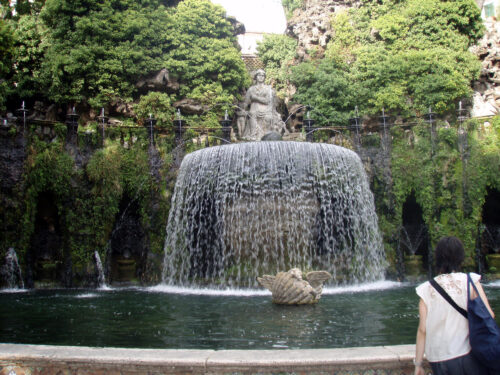
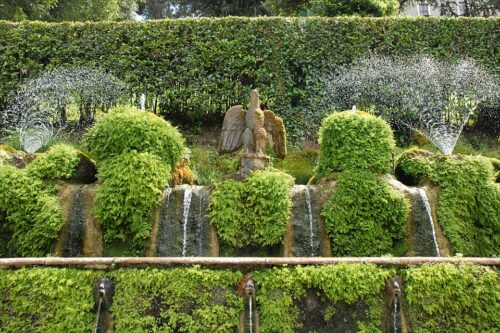
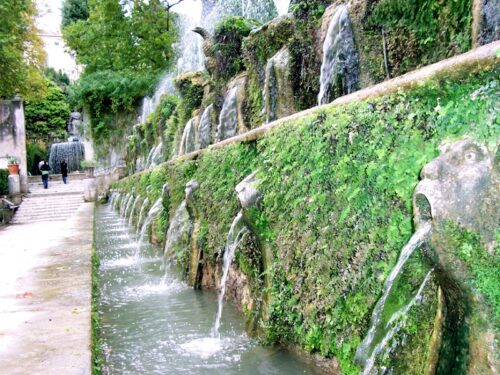
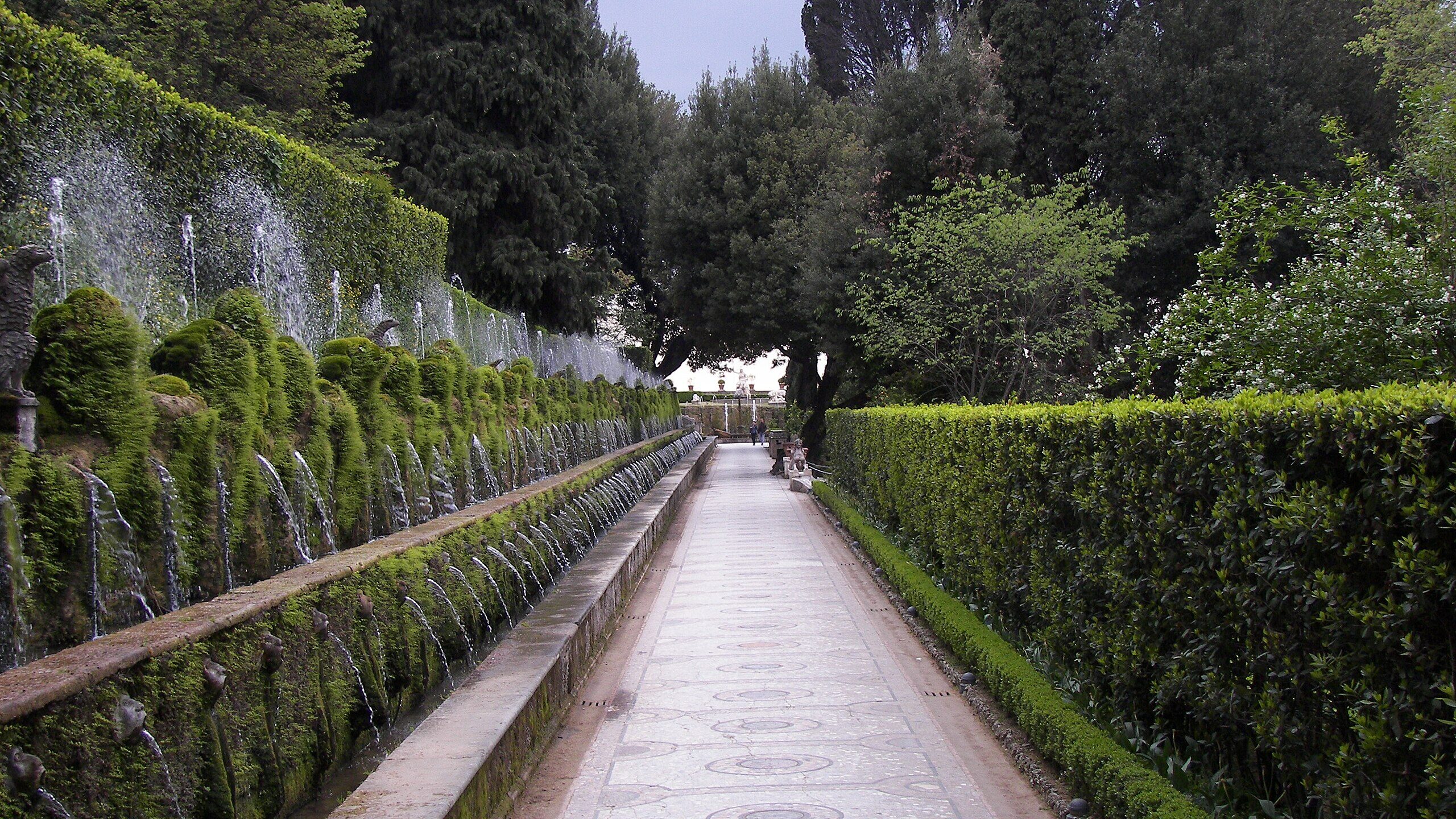
The fame and glory of the Villa d’Este was above all established by its extraordinary system of fountains; fifty-one fountains and nymphaeums, 398 spouts, 364 water jets, 64 waterfalls, and 220 basins, fed by 875 metres of canals, channels and cascades, and all working entirely by the force of gravity, without pumps.
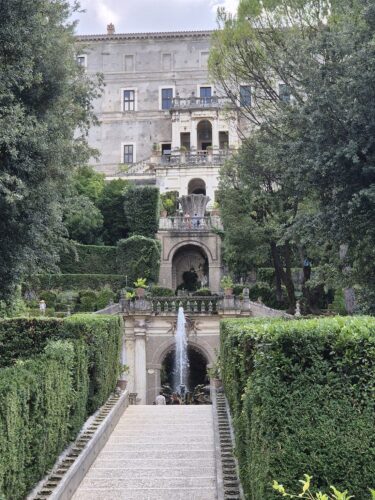
As his influence in Rome waned Ippolito spent more and more of his time in the villa, reading and meeting with the leading poets, artists and philosophers of the Renaissance. In the summer of 1572, he entertained one last important guest, Pope Gregory XIII. To prepare for the visit, the Cardinal redecorated the top floors of the villa and rushed completion of the dragon fountain. Soon after the reception, on December 2, 1572, the Cardinal died in Rome, and was buried in a simple tomb in the church adjoining the Villa.
The Villa had a chequered history after the his death, mainly due to the high cost of maintenance, and over the years it fell into disrepair and was restored only to fall into disrepair again. Many of the statues and paintings were sold to private investors, which was ironic considering he had in turn taken many of the marbles and statues from the nearby ancient Hadrian’s Villa, as a result of which the latter is devoid of most of its original features.
After the First World War, the villa was acquired by the Italian State, which began a major restoration in 1922. The villa was refurnished with paintings from the storerooms of the Galleria Nazionale, Rome. It suffered bomb damage in 1944 during World War II, and many of the walls were degraded in the postwar years by environmental pollution, but campaigns of restoration and protection have preserved intact the famous features of the villa and gardens.
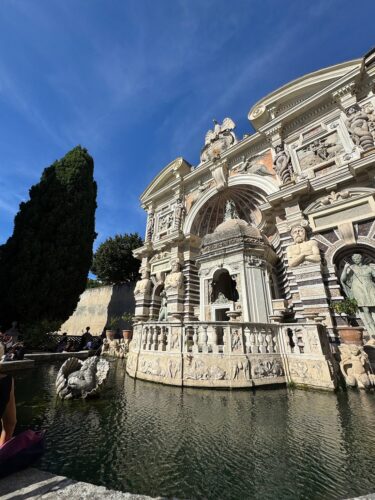
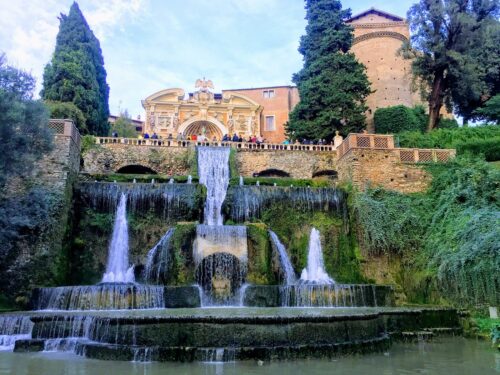
The water organ, which had not functioned for many years, was restored and now plays again each day for visitors.
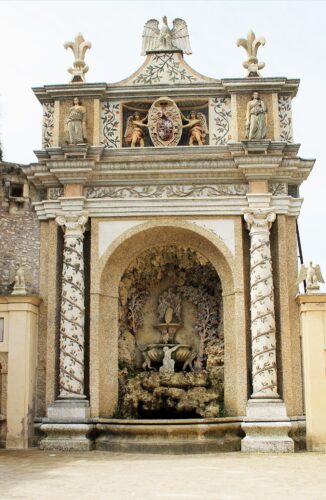
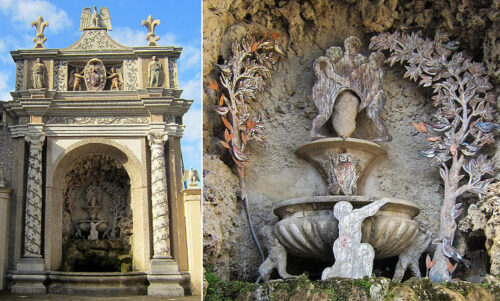
The Fountain of the Owl also produced music, thanks to an ingenious automaton made by the French fountain engineer Luc Leclerc. It featured twenty painted bronze birds placed in the niche, posed on two metal olive branches. Each bird sang an individual song, produced by piped water and air. A mechanical owl appeared, and the birds stopped singing; then, at the end of the performance, all the birds sang together. During restoration work the workers found some of the original mechanism that produced the bird songs, including the wind chamber, the tubes that moved the air and water, and the machinery that made the owl move. Using modern materials, they were able to make a new version of the old machinery so the birds sing and move again.
It had been a fascinating day with a lot to explore. We had a quiet meal on our terrace, packed up and got ready for an early departure to Milan the next day.

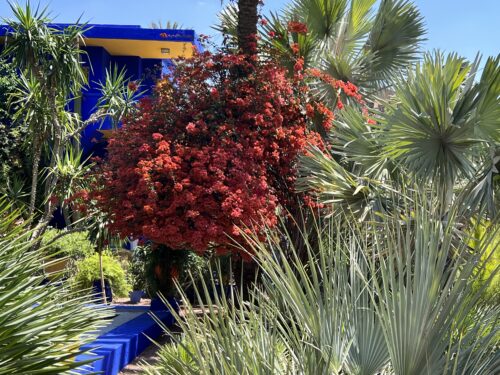
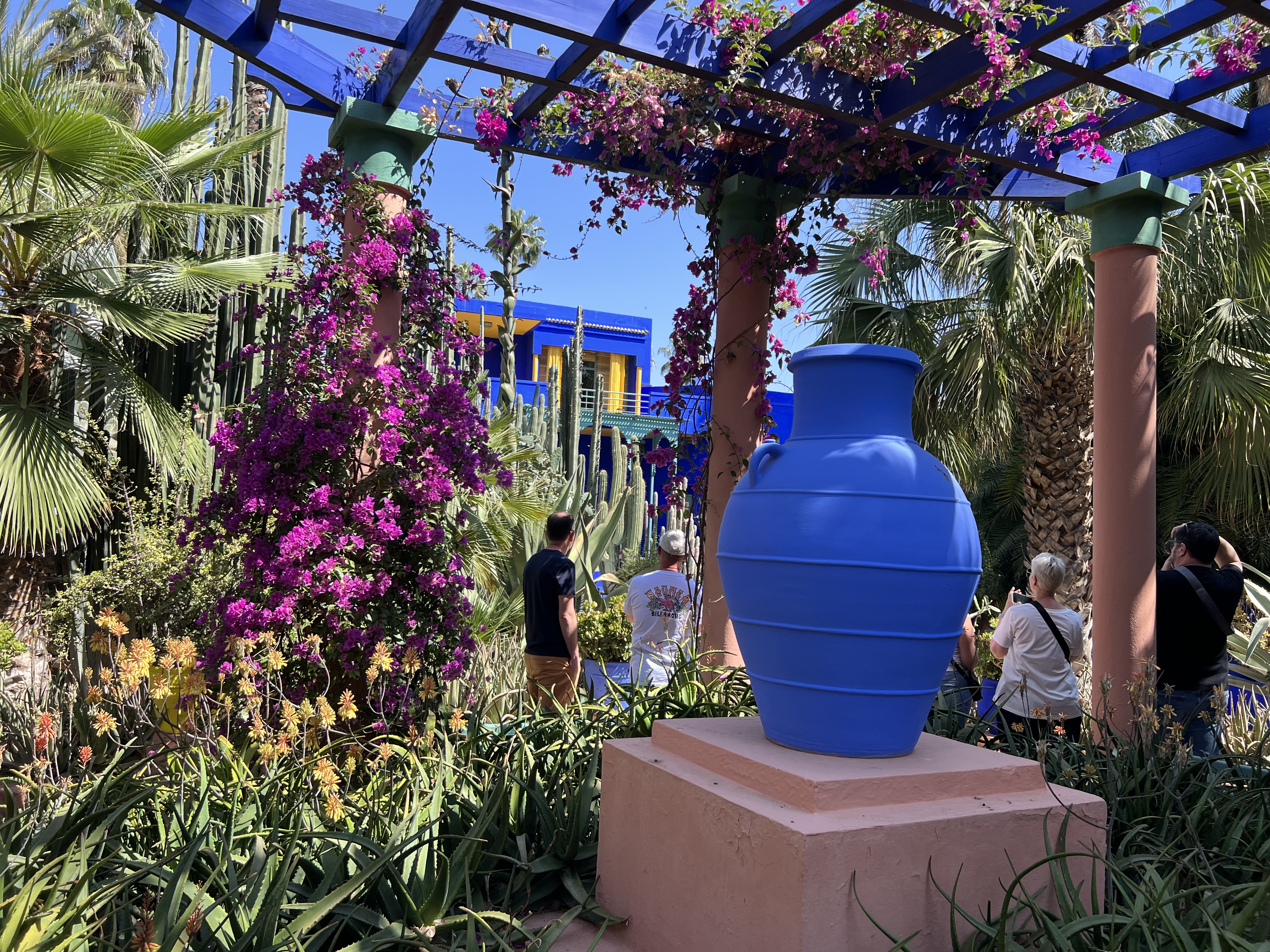
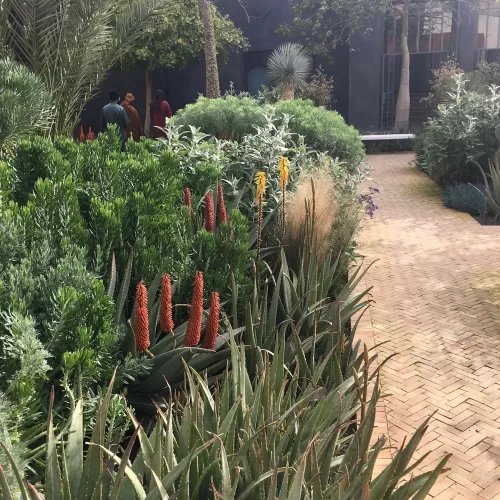
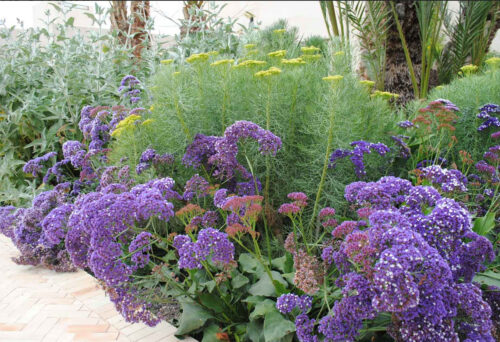
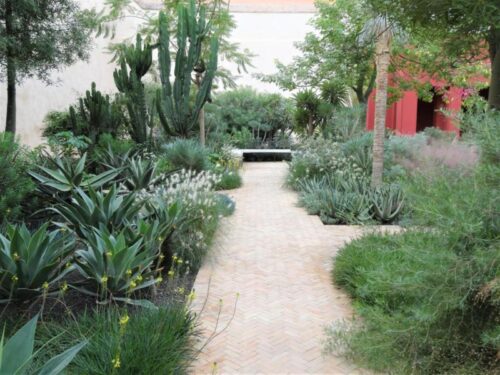
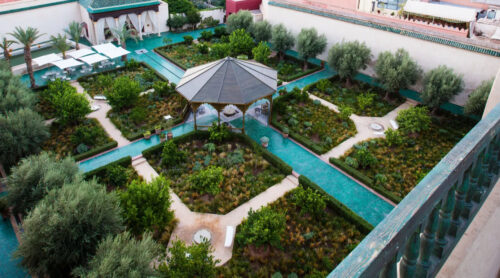






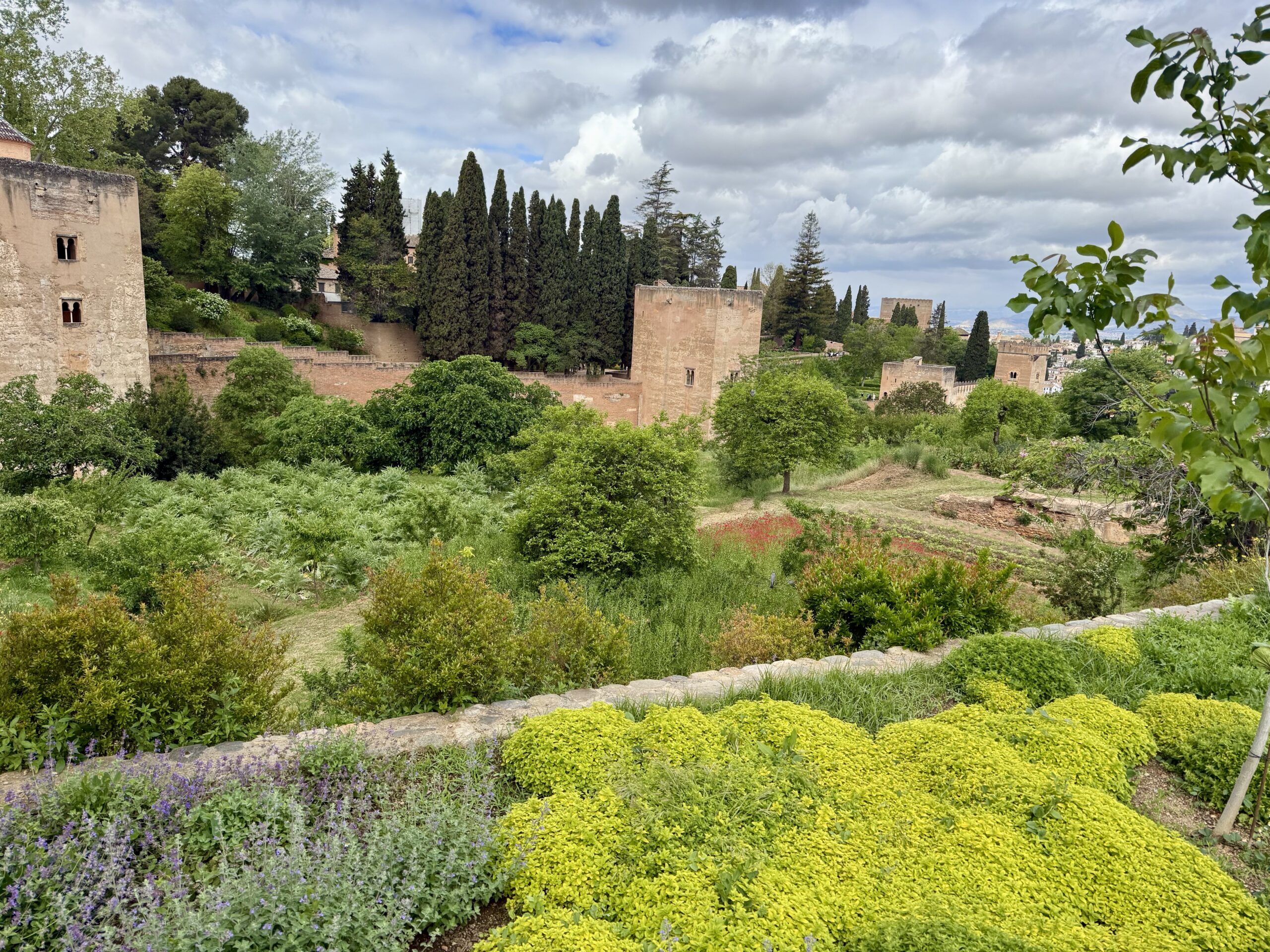
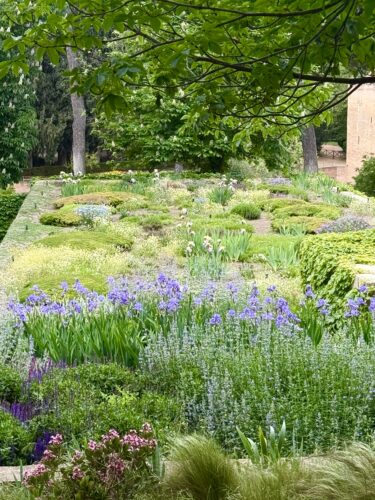

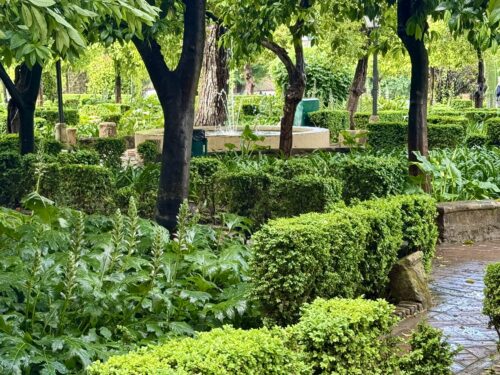



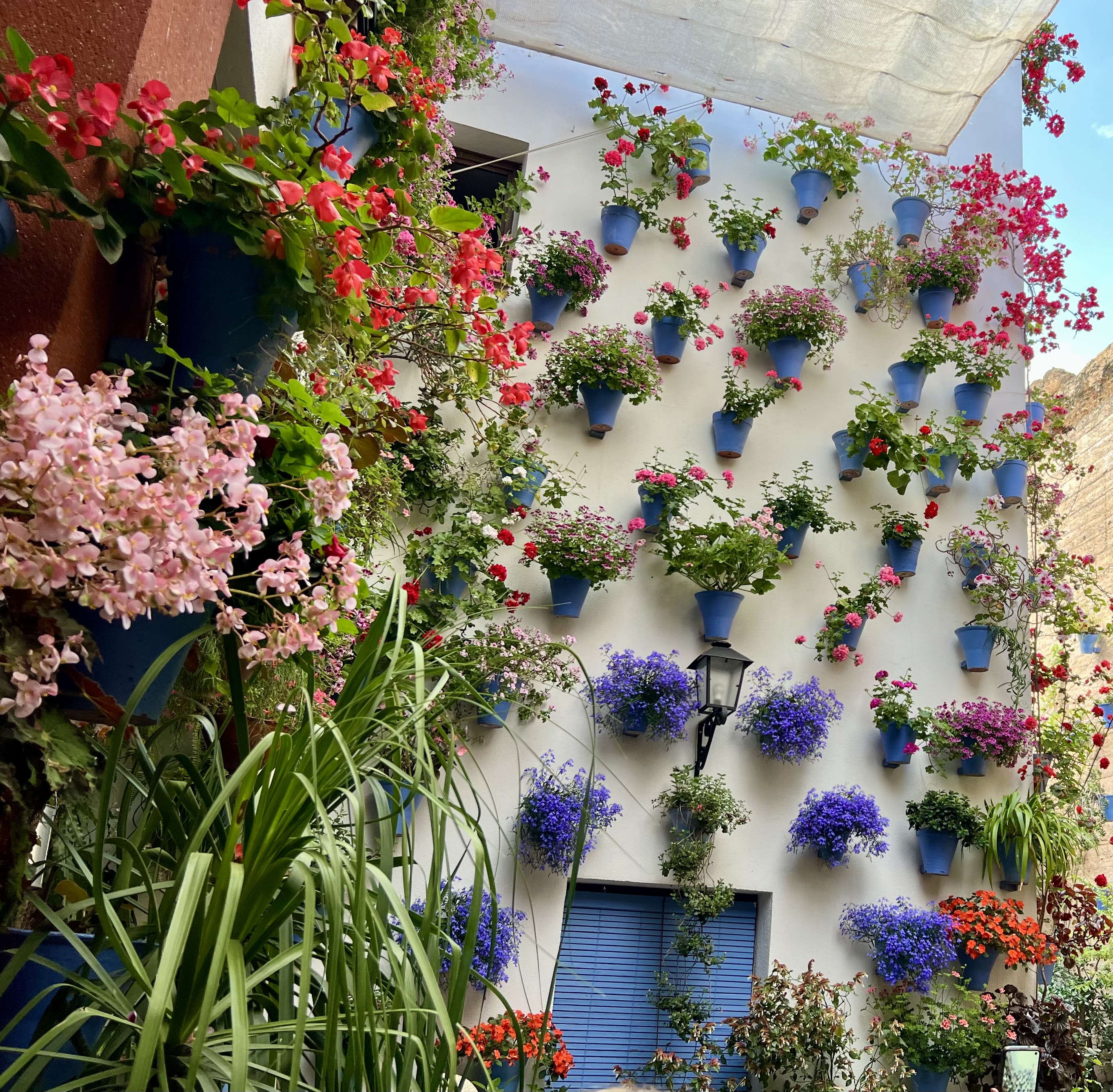
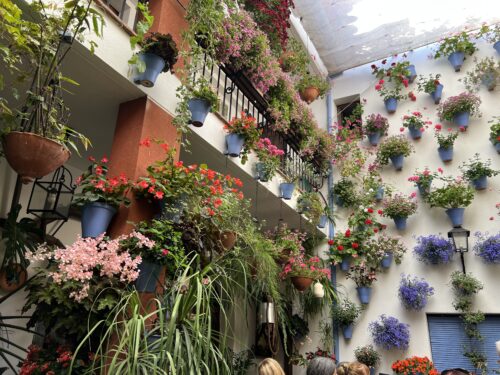
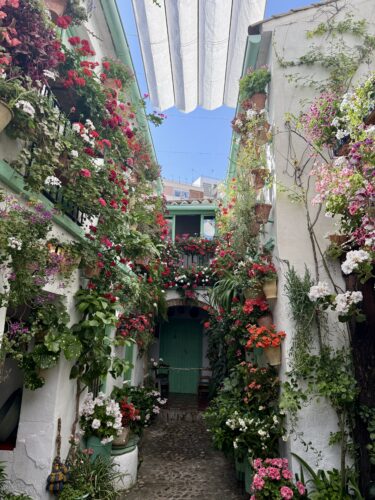

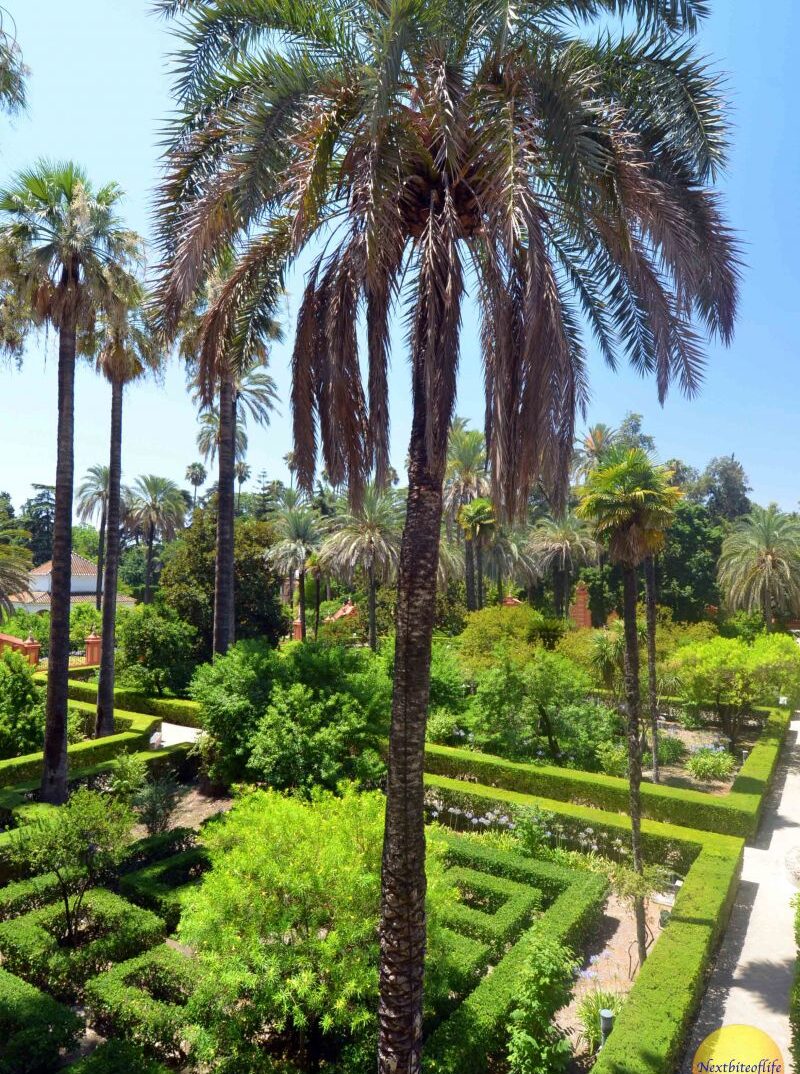
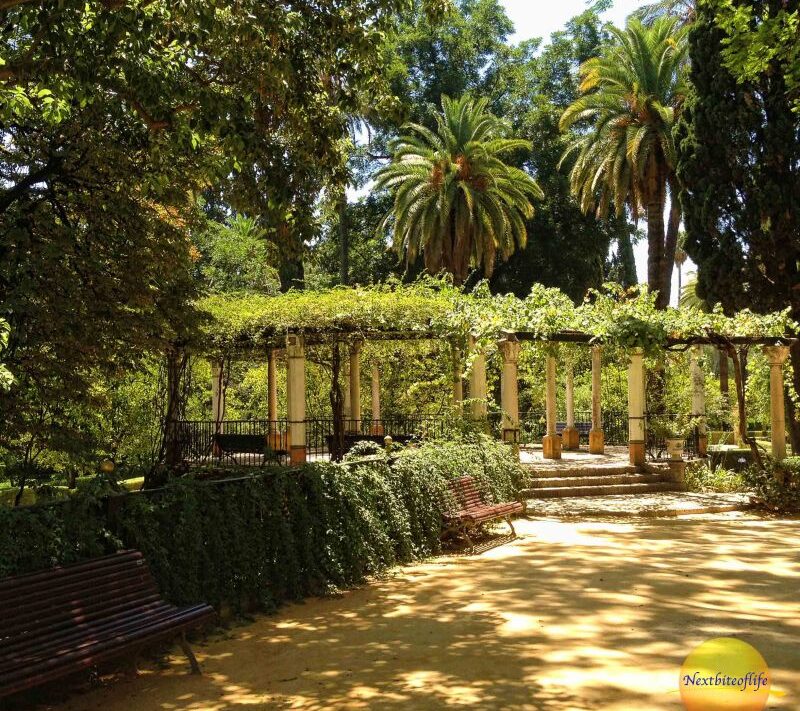
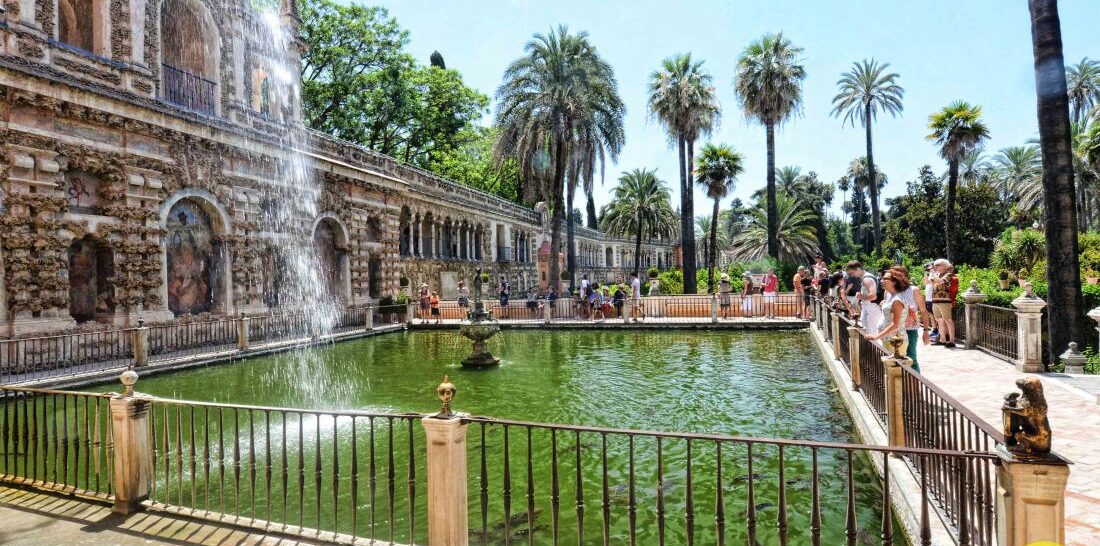
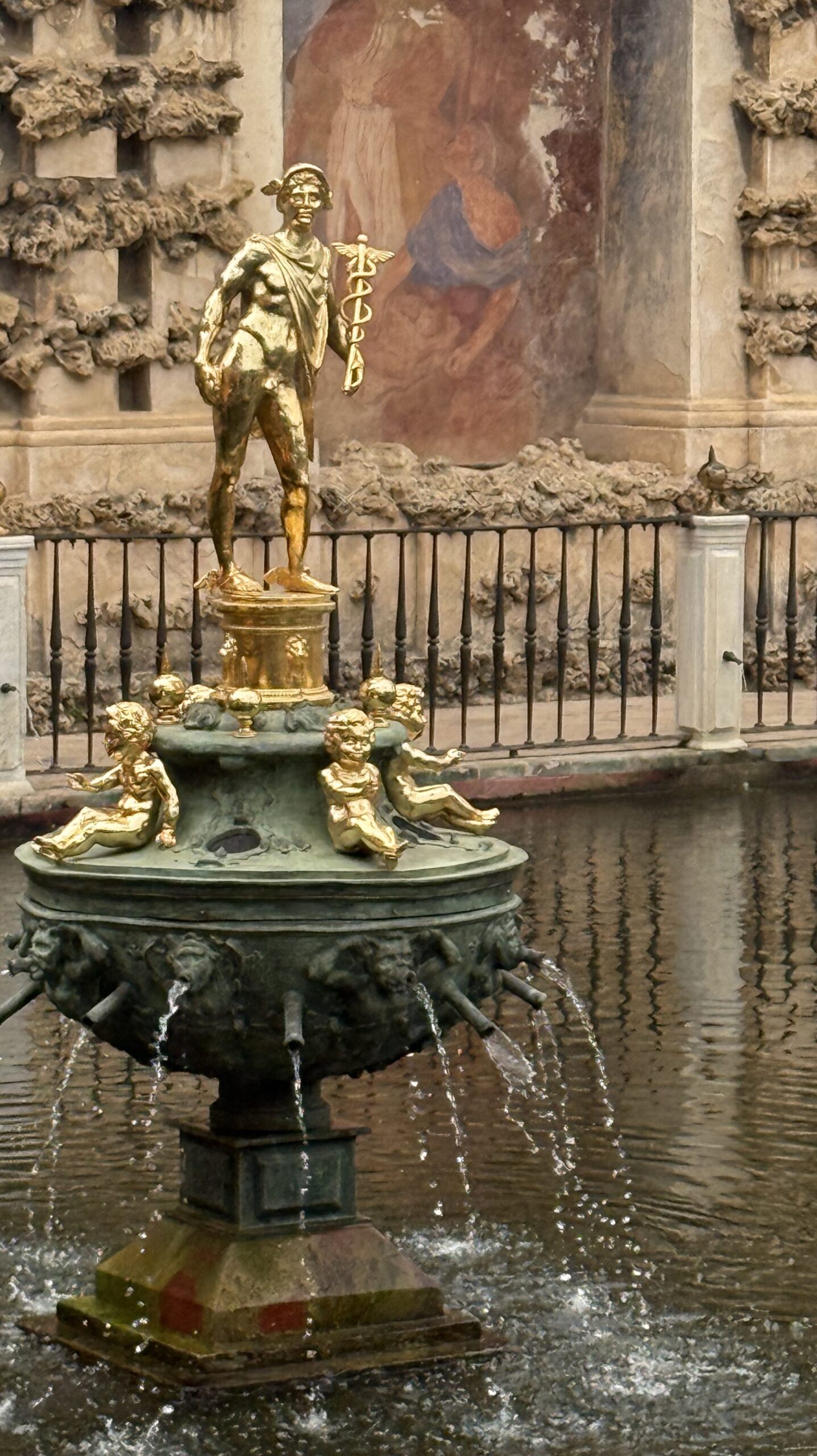





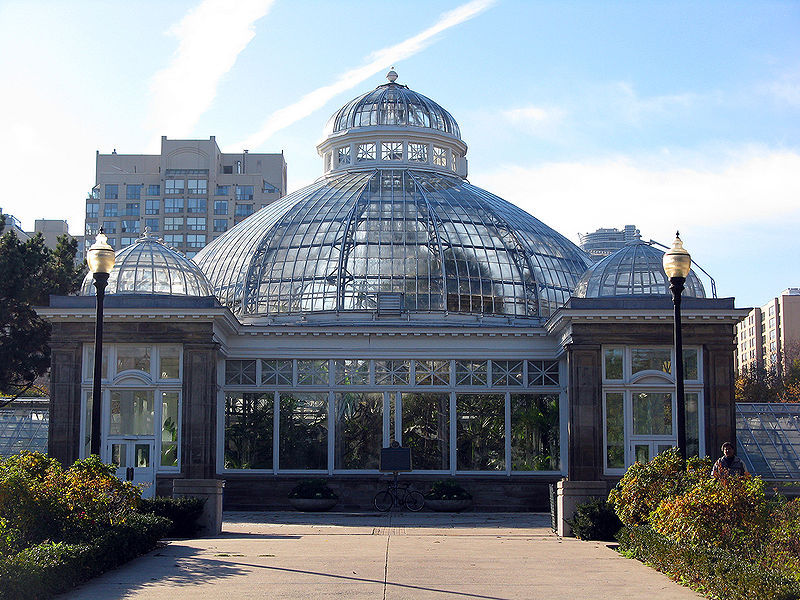 The Allan Gardens Conservatory is over 100 years old with a garden-filled greenhouse that covers over 16,000 square feet displaying seasonal plantings as well as a permanent plant collection of botanical importance. Rare tropical plants from all over the globe are nurtured inside five greenhouses.
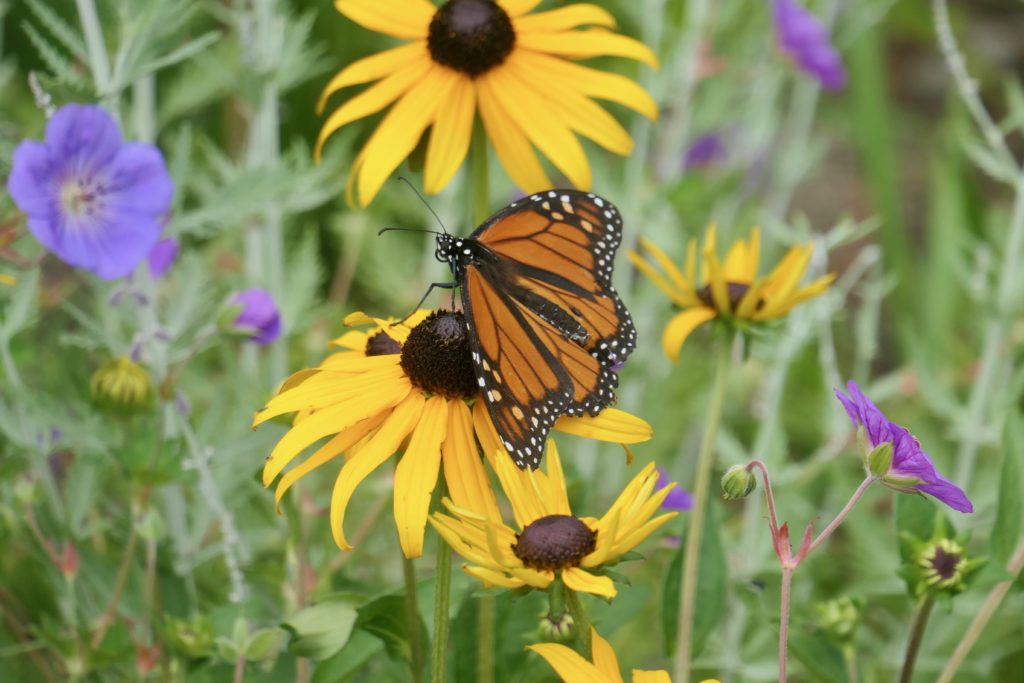
 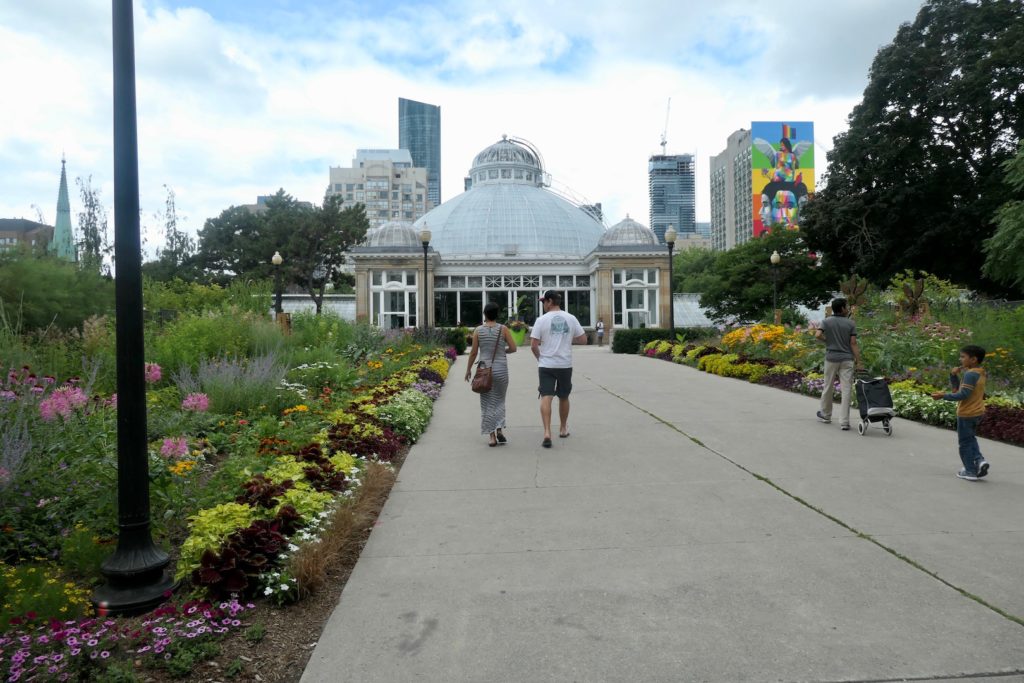 where hundreds of varieties of plants and flowers attract bees and butterflies.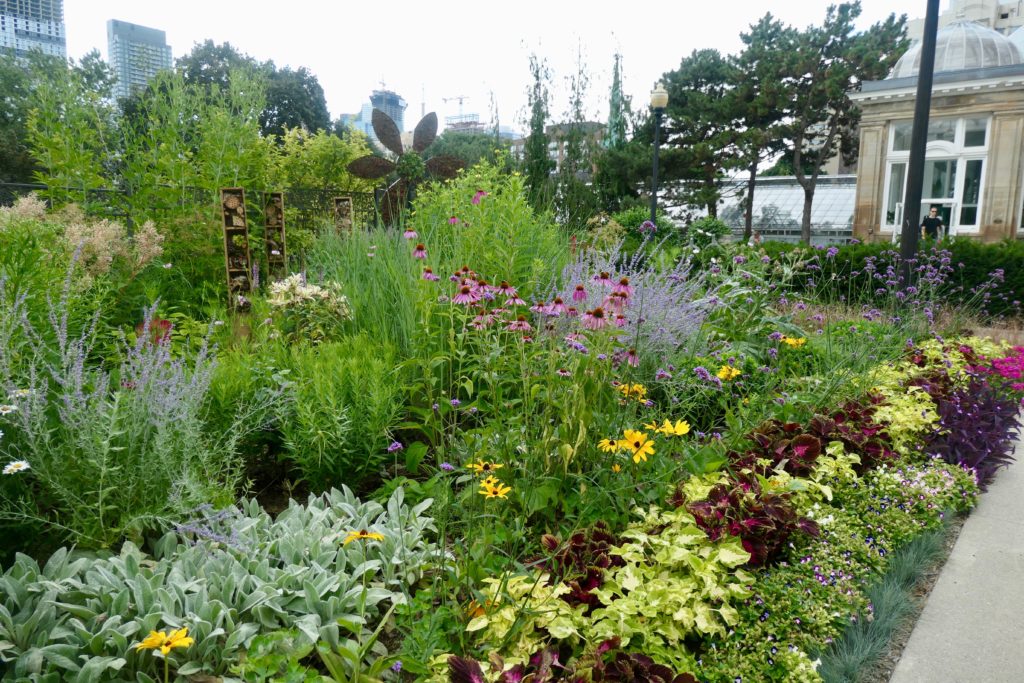
 There are a number of bee hotels of various shapes and sizes to house solitary bees, which make up over 85% of the bee population.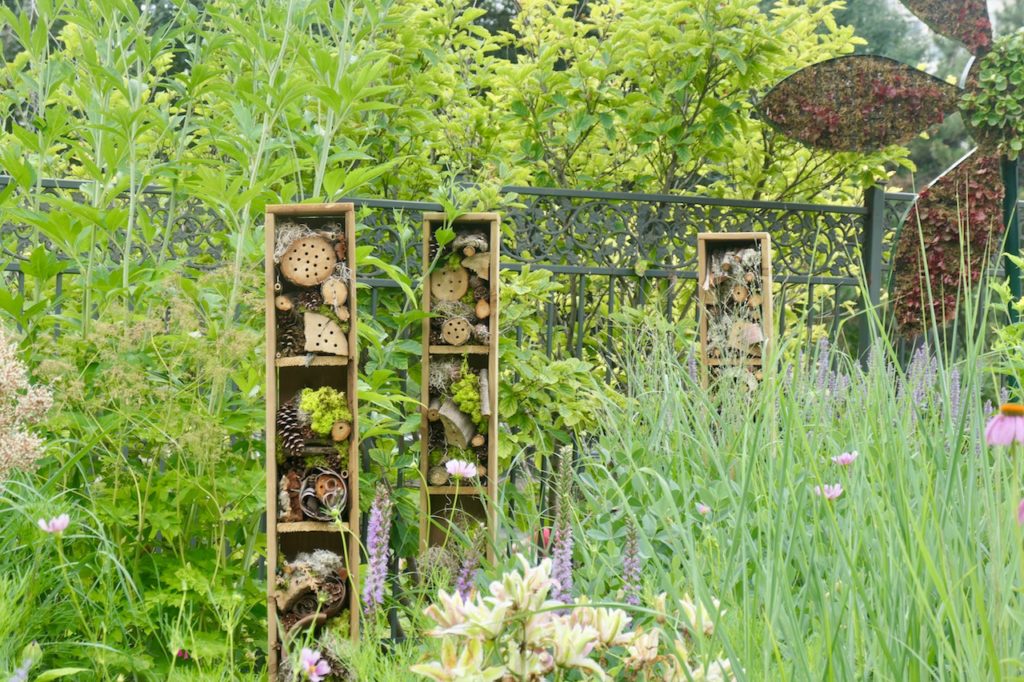
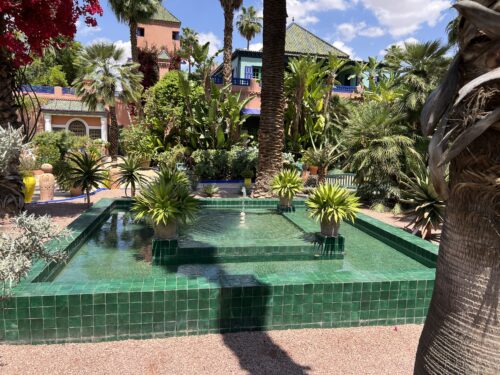
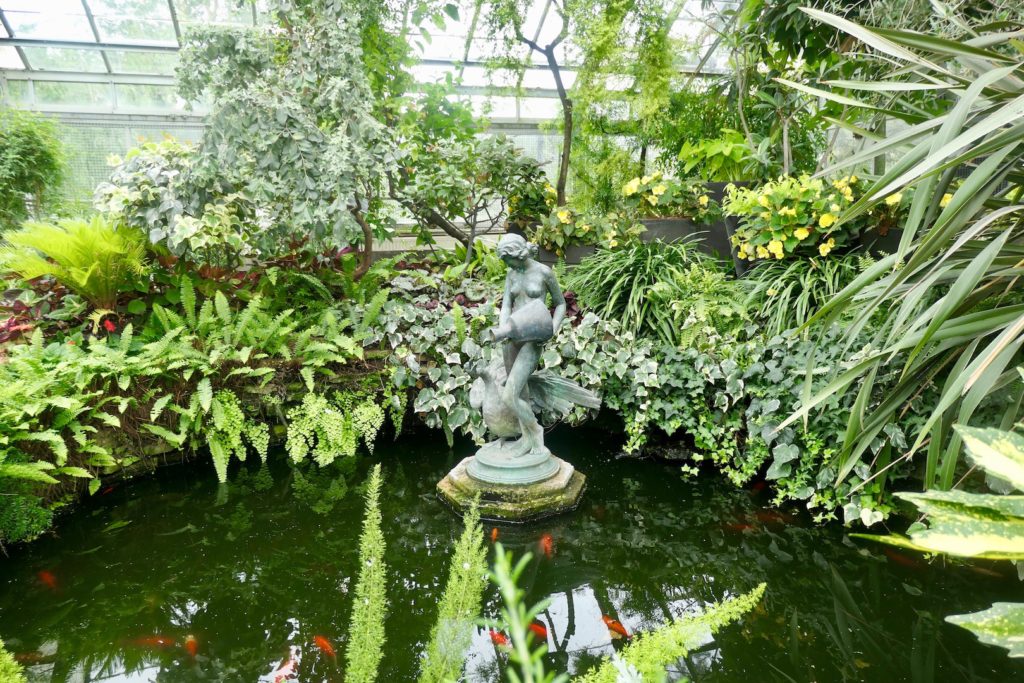
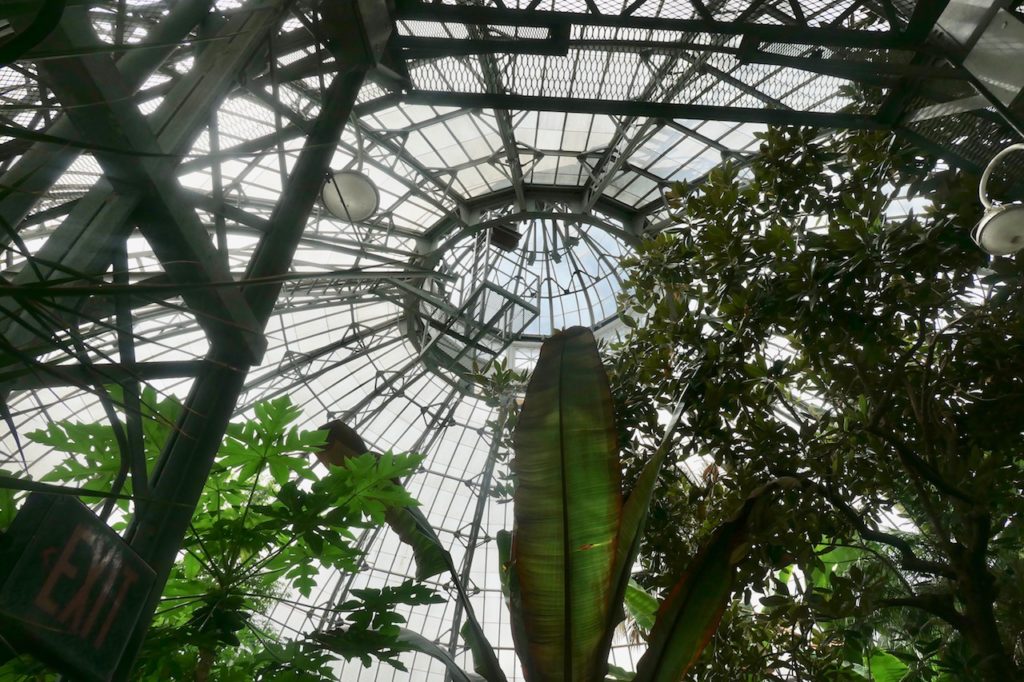 The Cool House has a waterfall, small pond and citrus trees
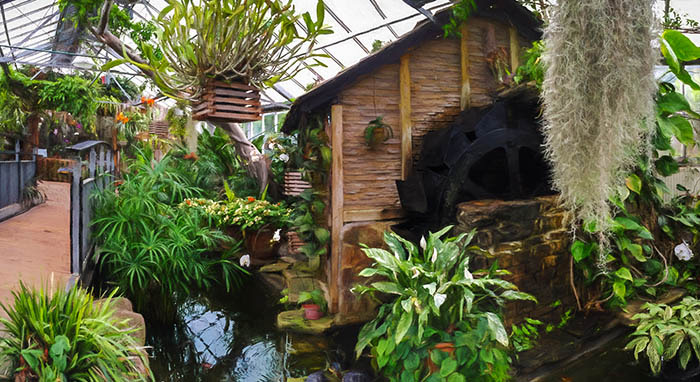
  and the Southern Tropical House has a waterwheel and tropical orchids and bromeliads
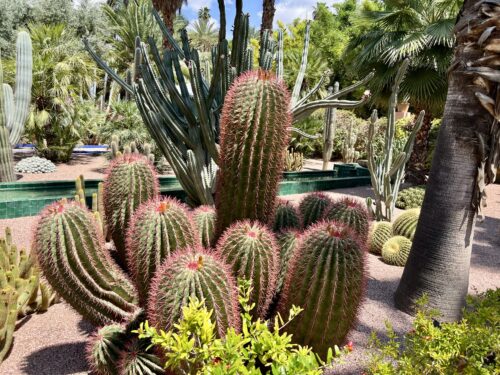
 whilst the Northern Tropical House has varieties of hibiscus, datura and cycads. The Arid (Cactus) was moved from Exhibition Park in the 1950s and has a wide variety of cacti and succulents.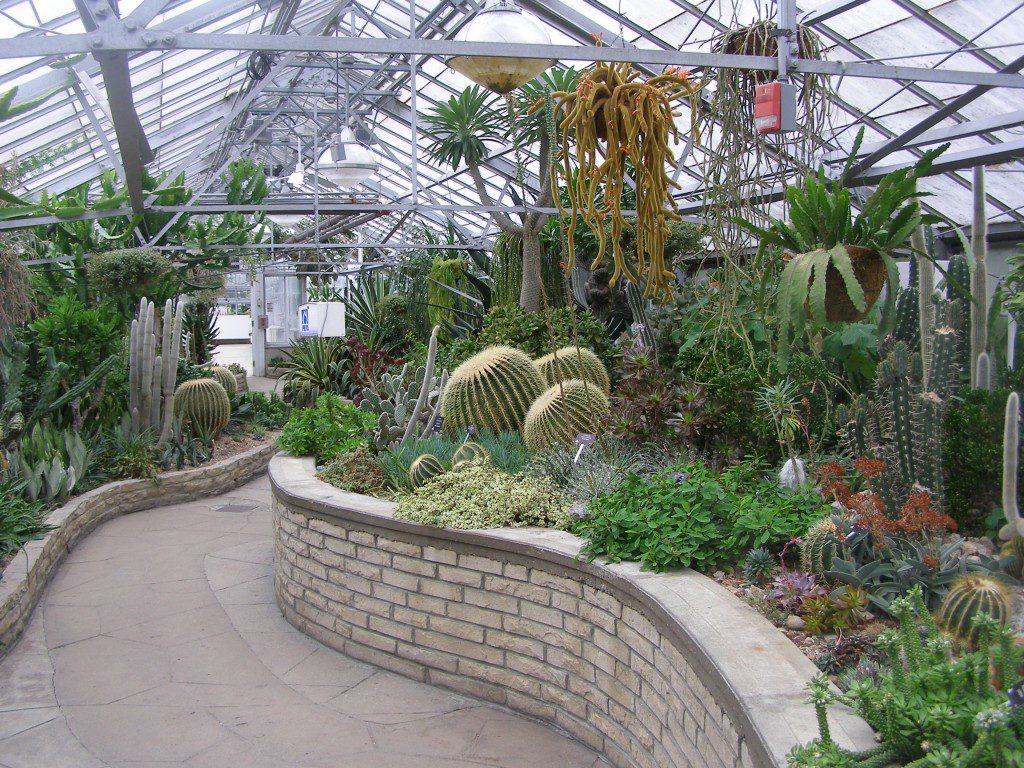
 Arriving at the Botanical Gardens we found our old friends Zimsculpt were about to open an exhibition.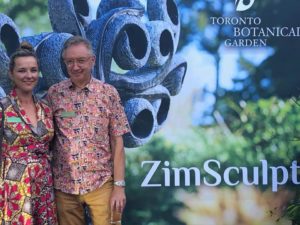
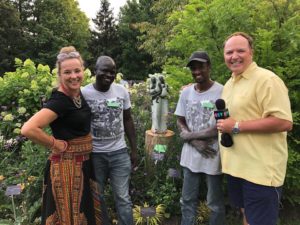
 Based in Harare, ZimSculpt is passionate about promoting the work of some of the best Zimbabwean sculptors by holding exhibitions around the world and making sculptures available for purchase online. They currently represent over 200 sculptors and boast the largest Zimbabwean sculpture collection in the world. Run by Vivienne and her husband Joseph, they tour around the country, hand selecting every single piece that is displayed.
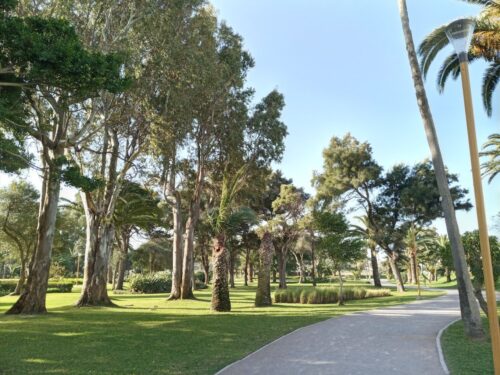
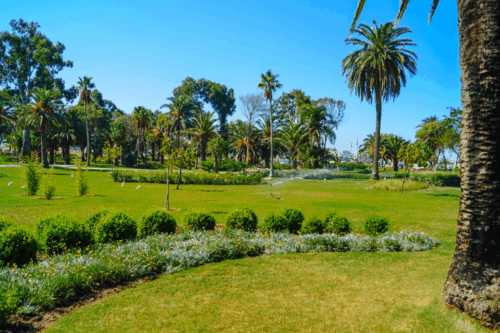
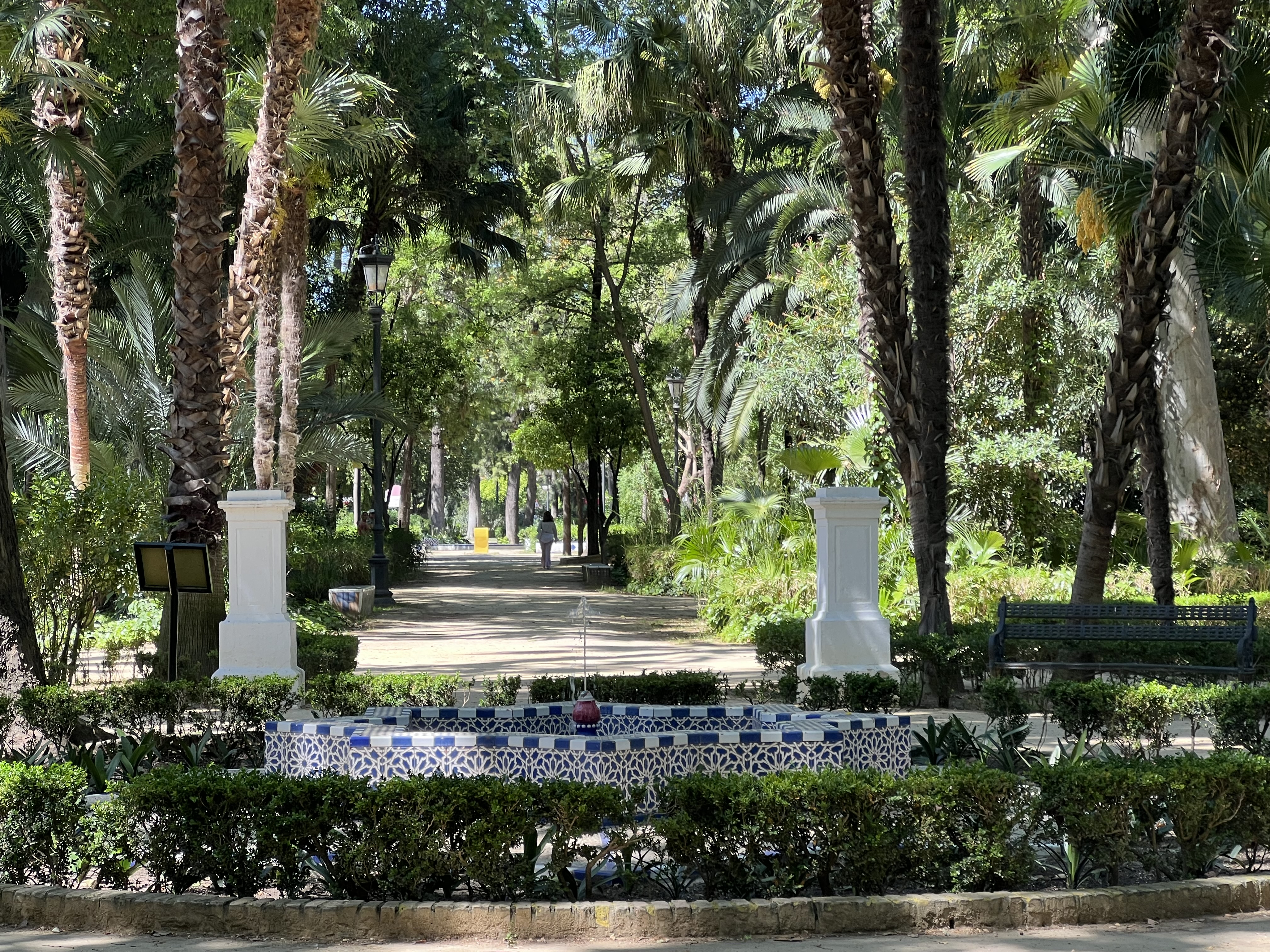
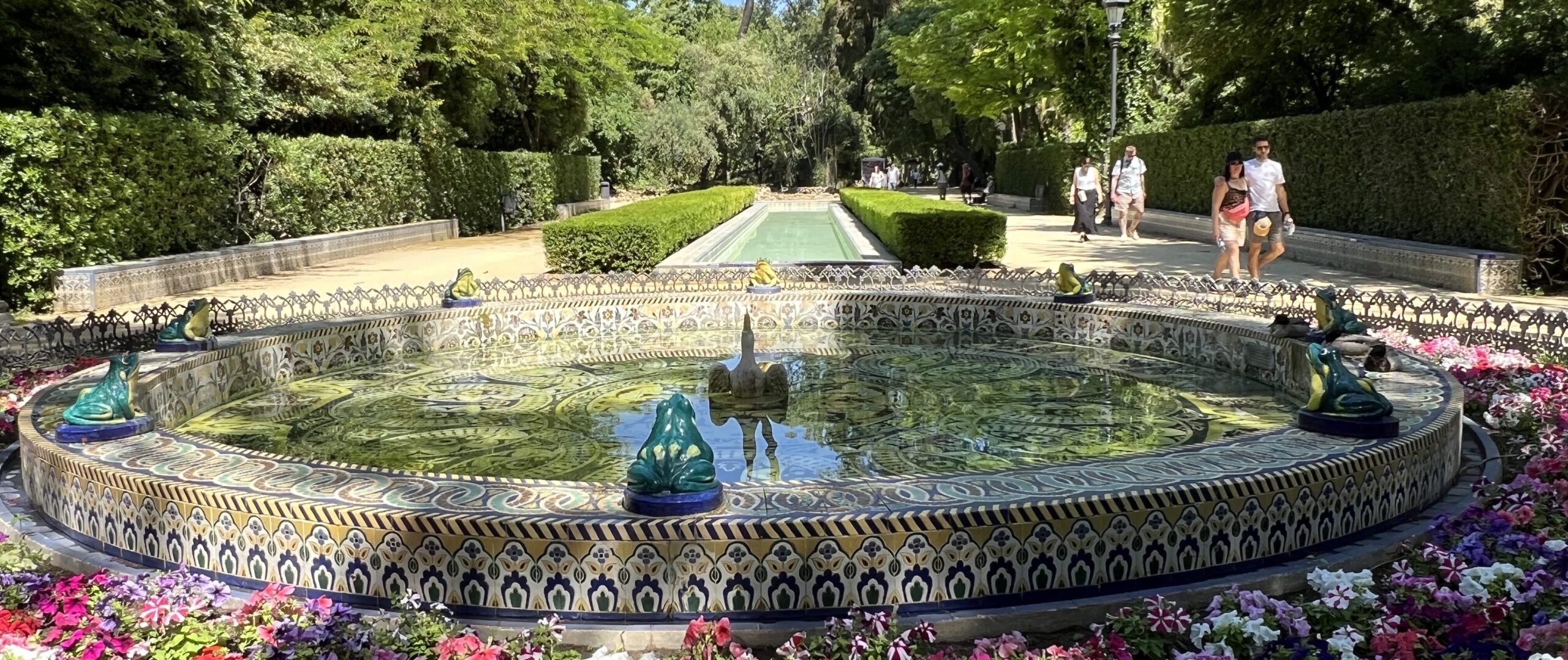
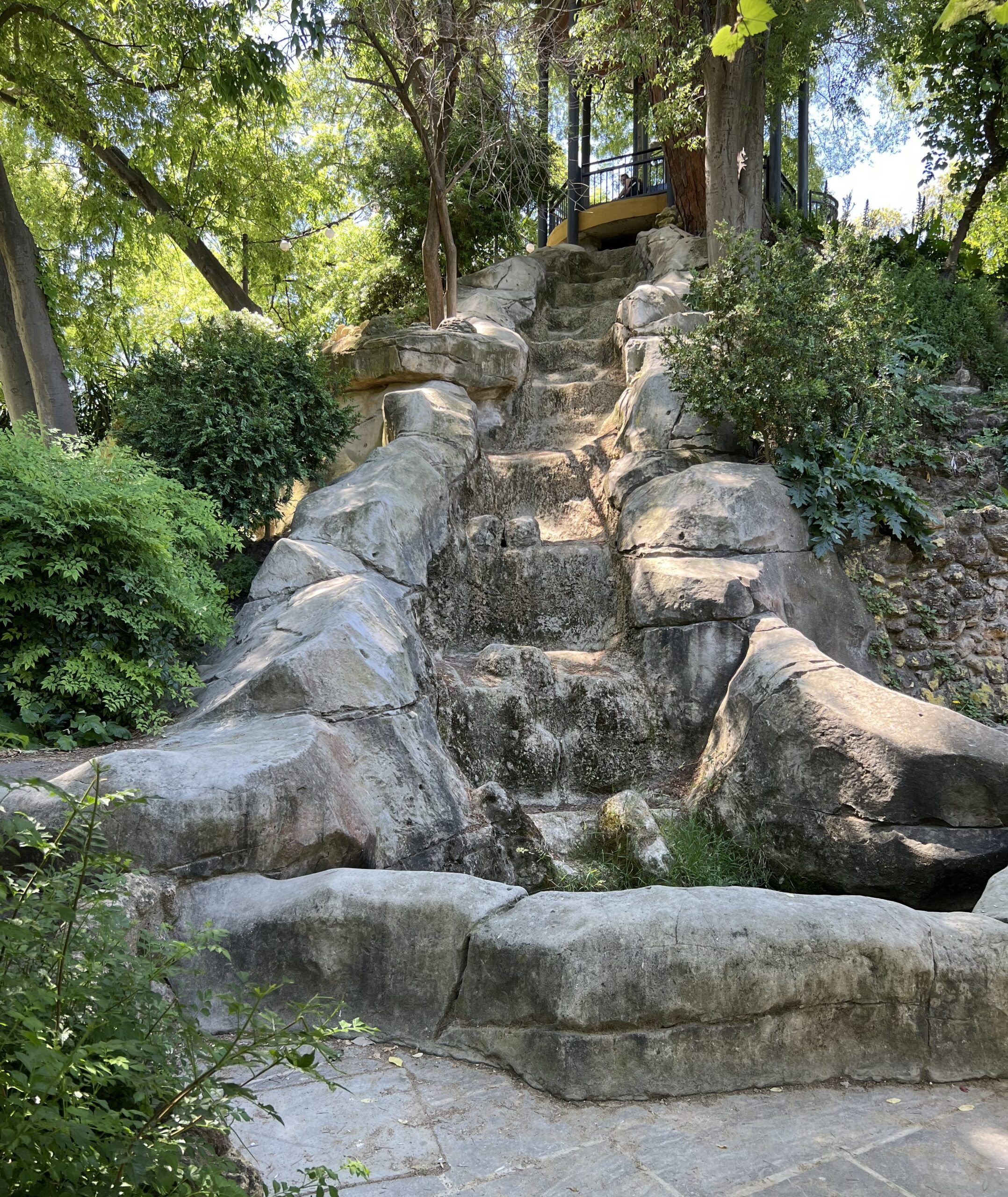
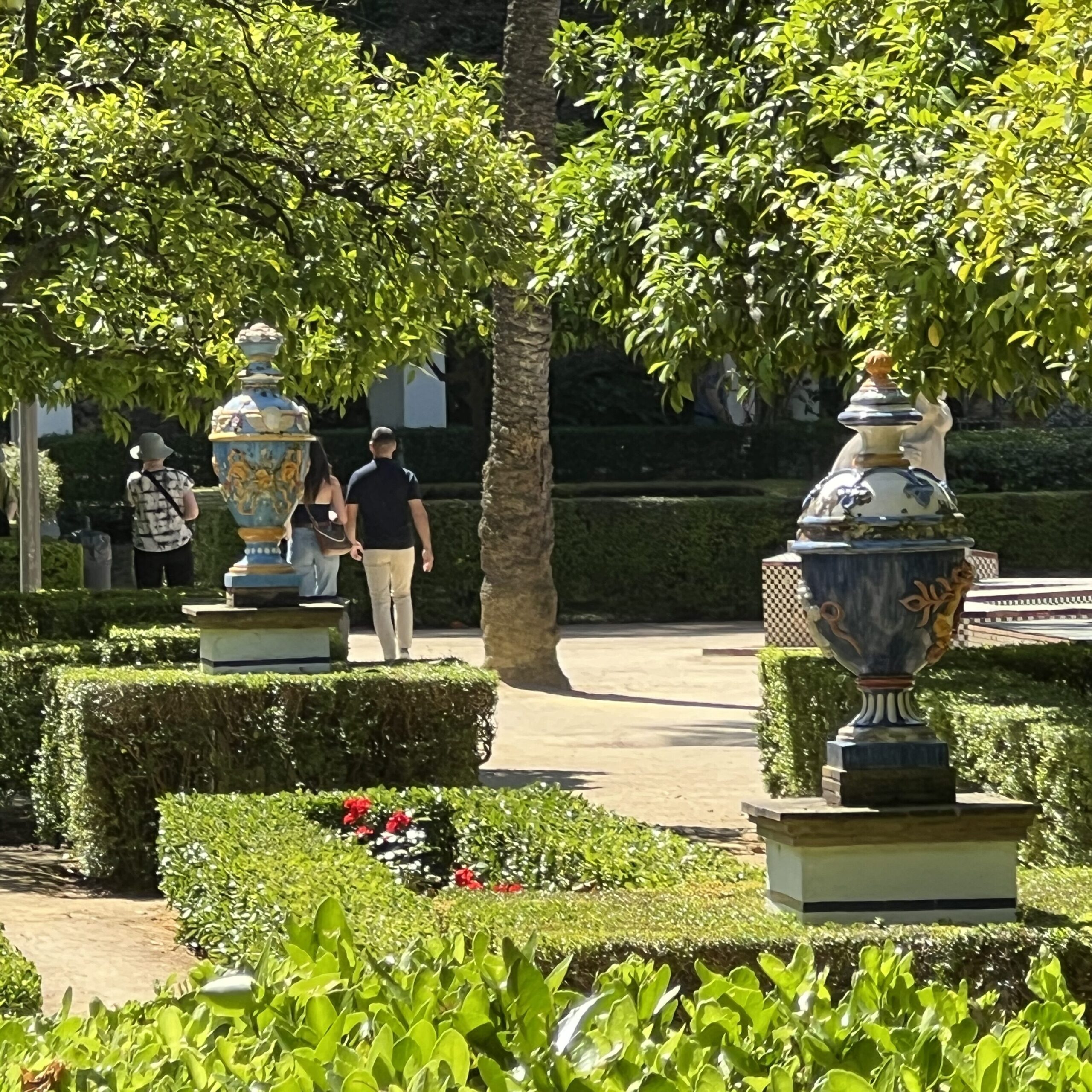
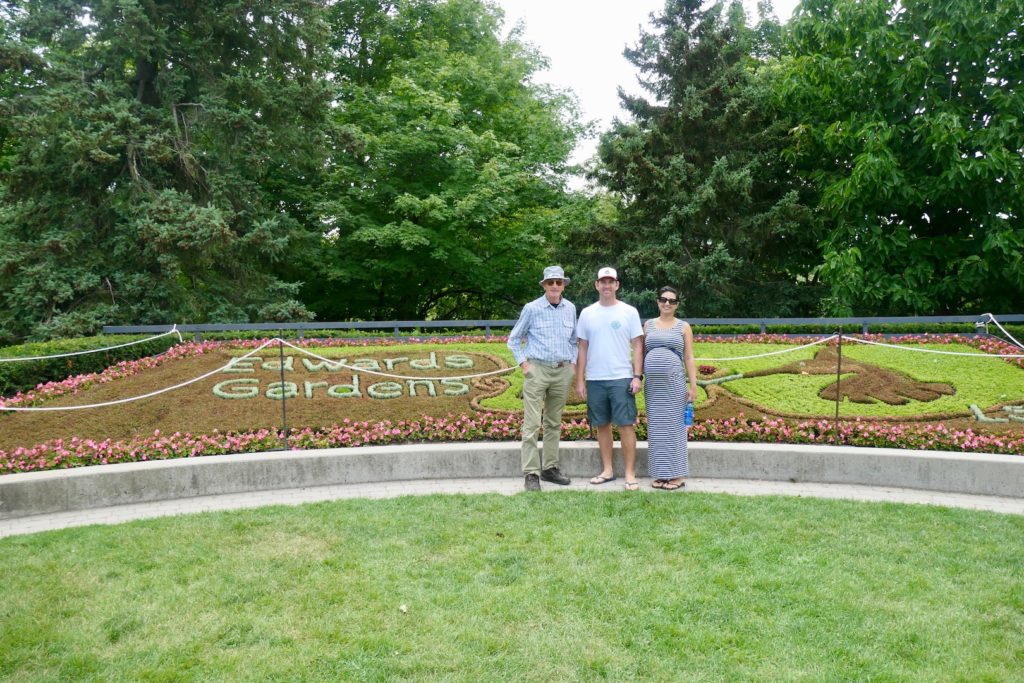 We spent some time wandering through the various gardens admiring the plantings and the statues before having coffee at the Garden Café.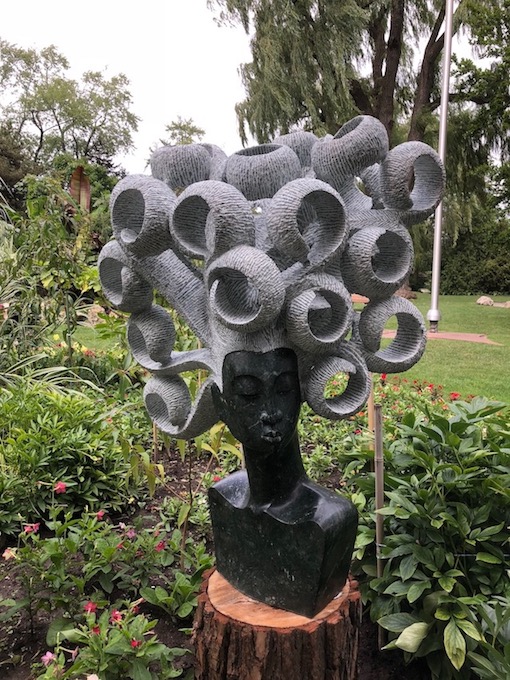
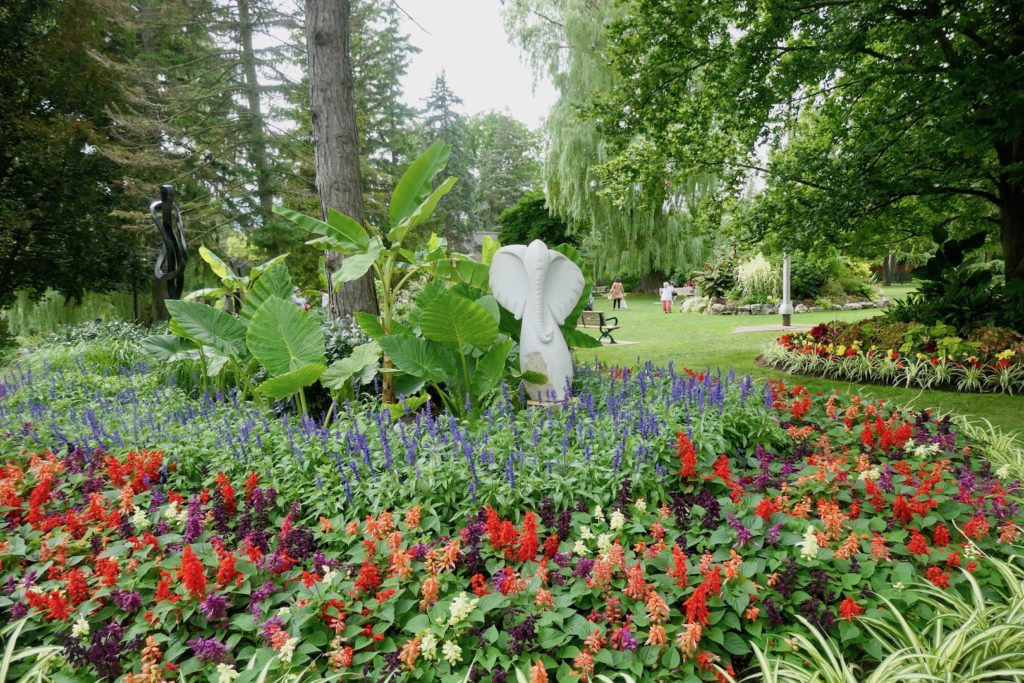
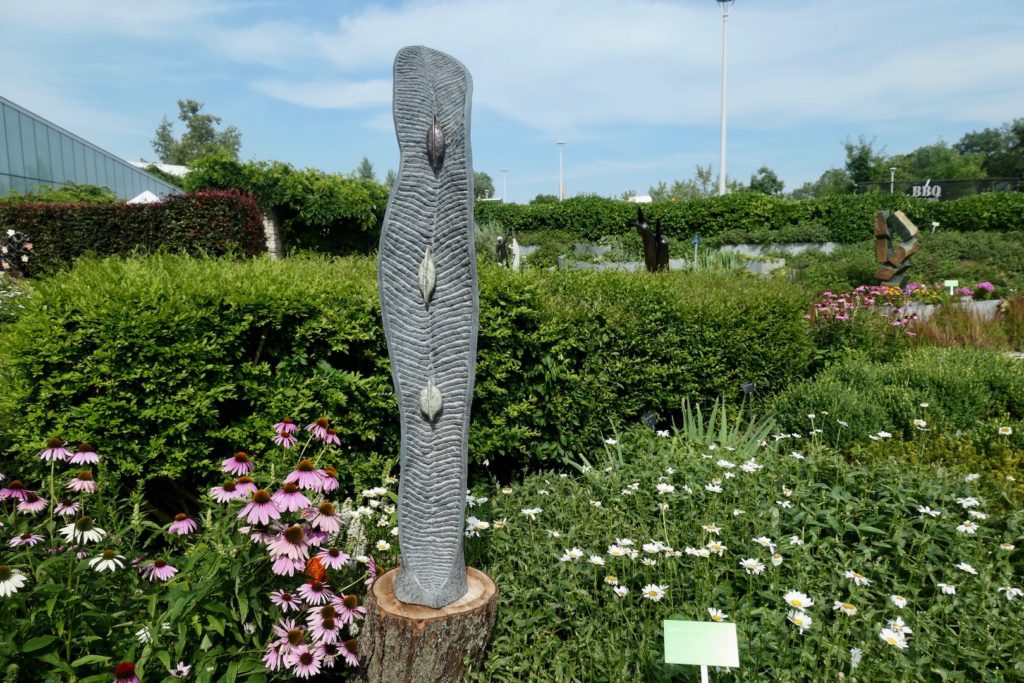
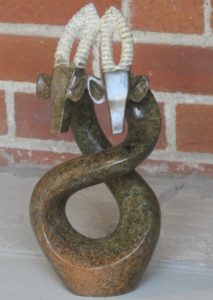
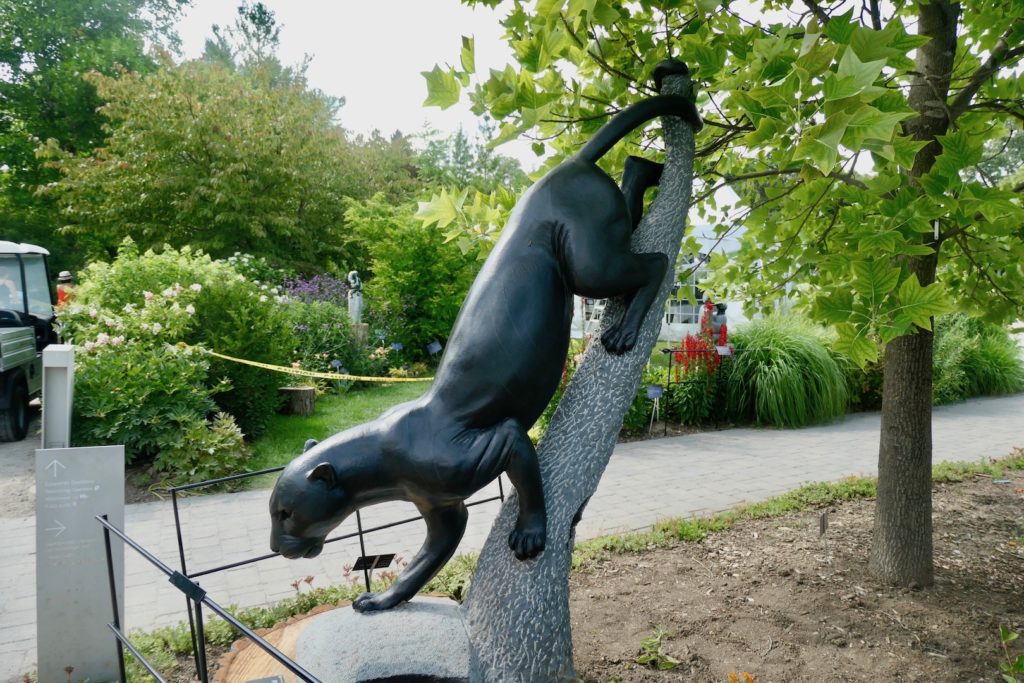 and we totally fell in love with one called Migration – unfortunately way beyond our budget even before we considered shipping it home.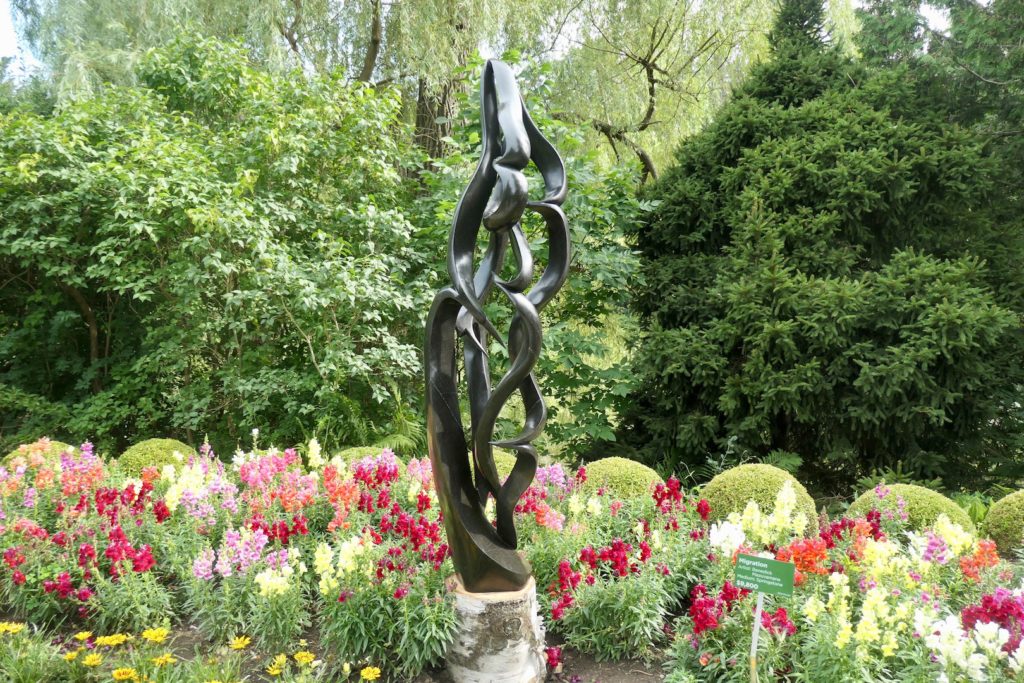
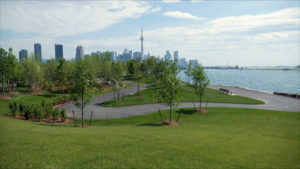
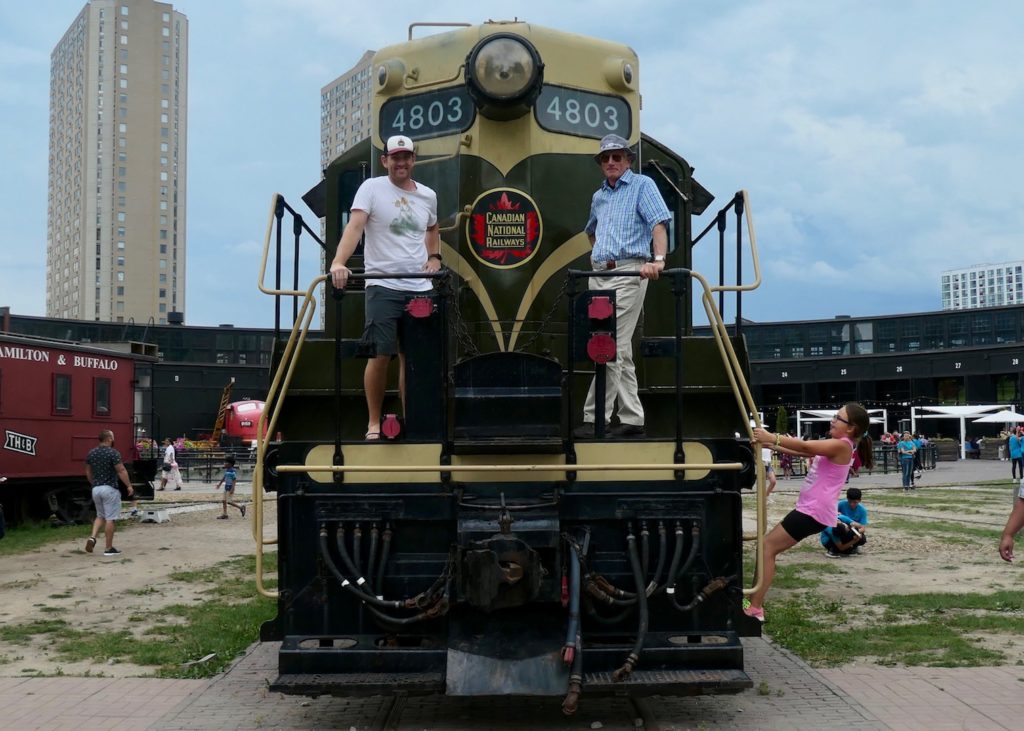 and, more importantly, Steam Whistle Brewing where you can sample the beers, have some lunch and do a tour of the Brewery. Having walked for miles we opted out of the tour but enthusiastically sampled the beers and had some lunch.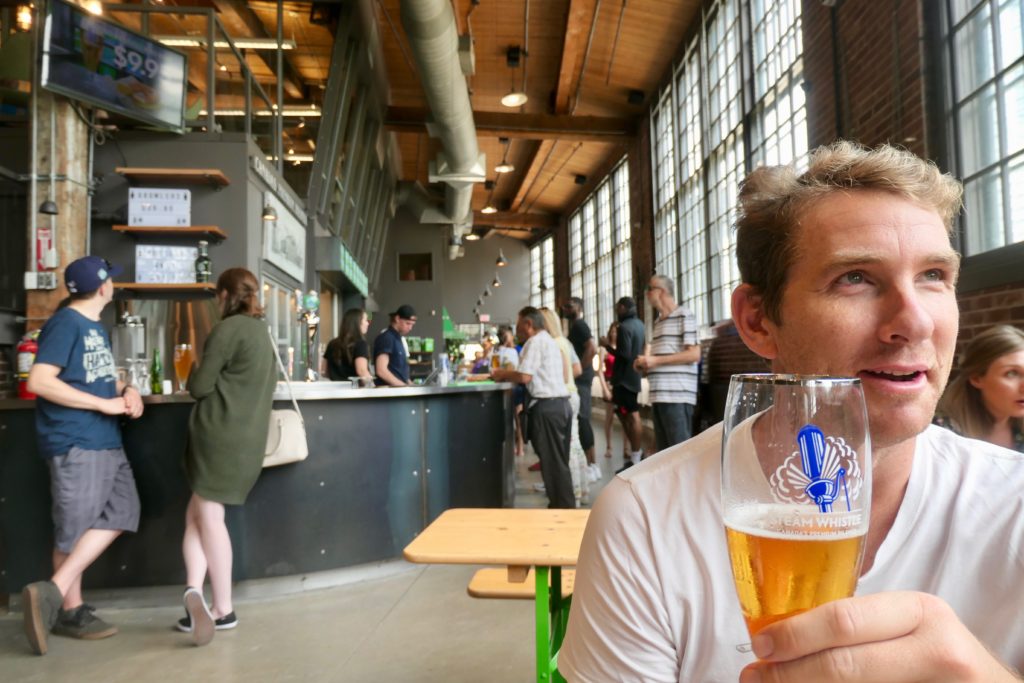
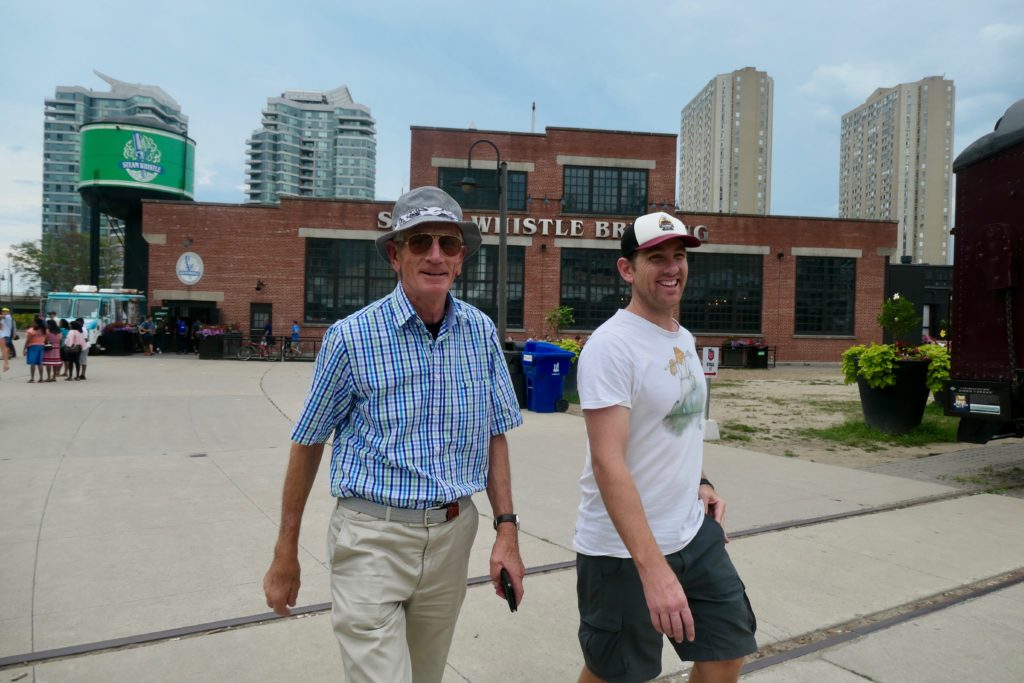
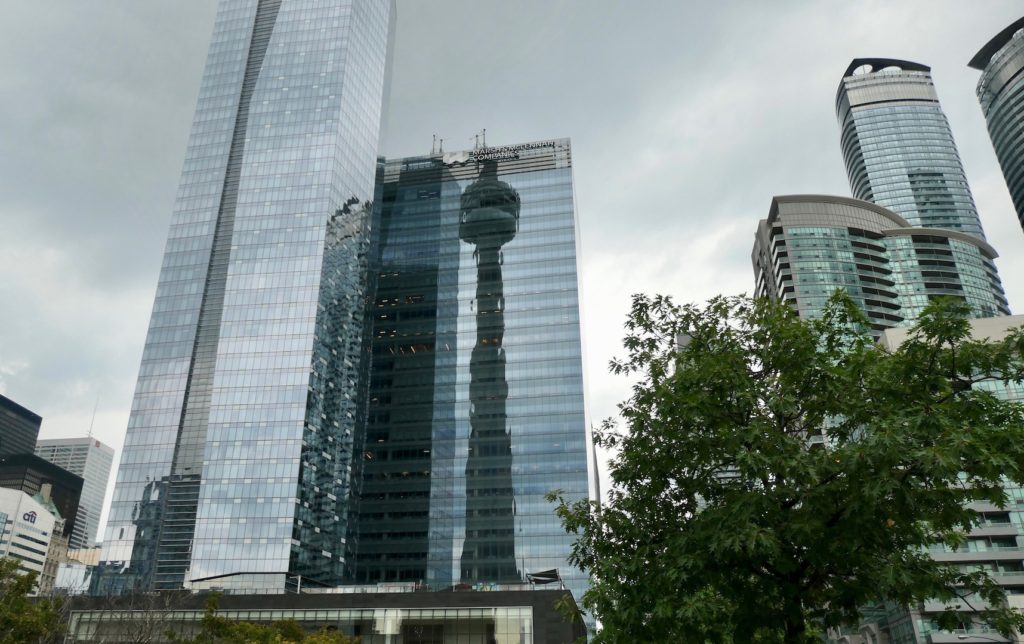

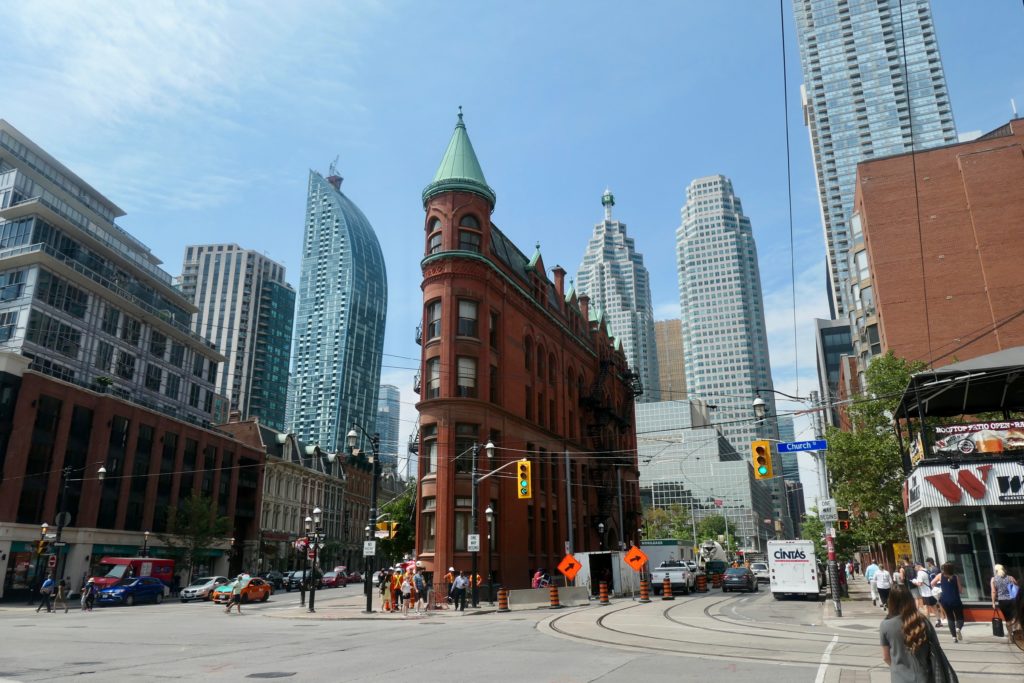 Originally the Gooderham Building it was built to house the Gooderham & Worts Distillery and is wedged between Front Street and Wellington Street where they join up to form a triangular intersection. The building is the focal point of one of Toronto’s most iconic vistas: looking west down Front Street towards the building’s prominent rounded corner, framed on the sides by the heritage commercial blocks along Front Street, and with the skyscrapers of the Financial District towering in the background.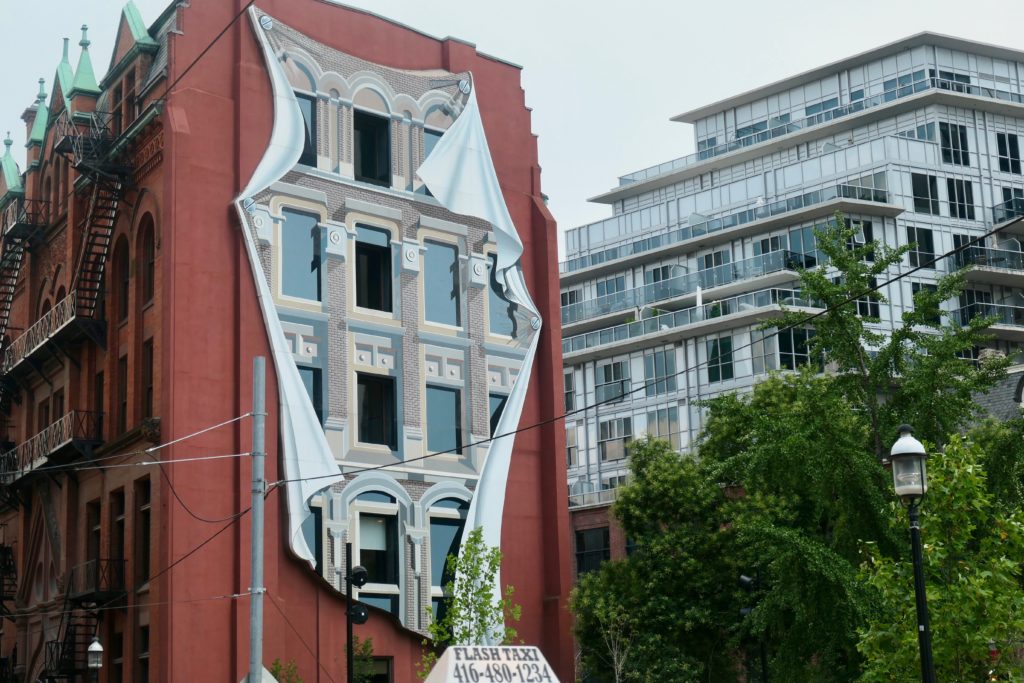
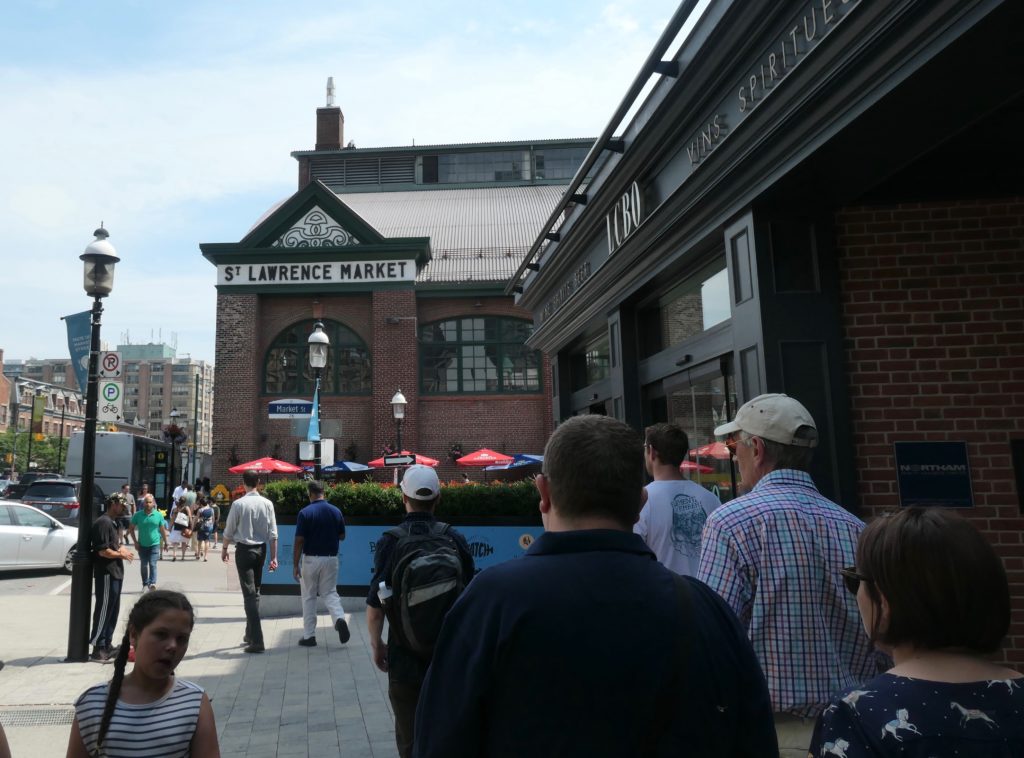
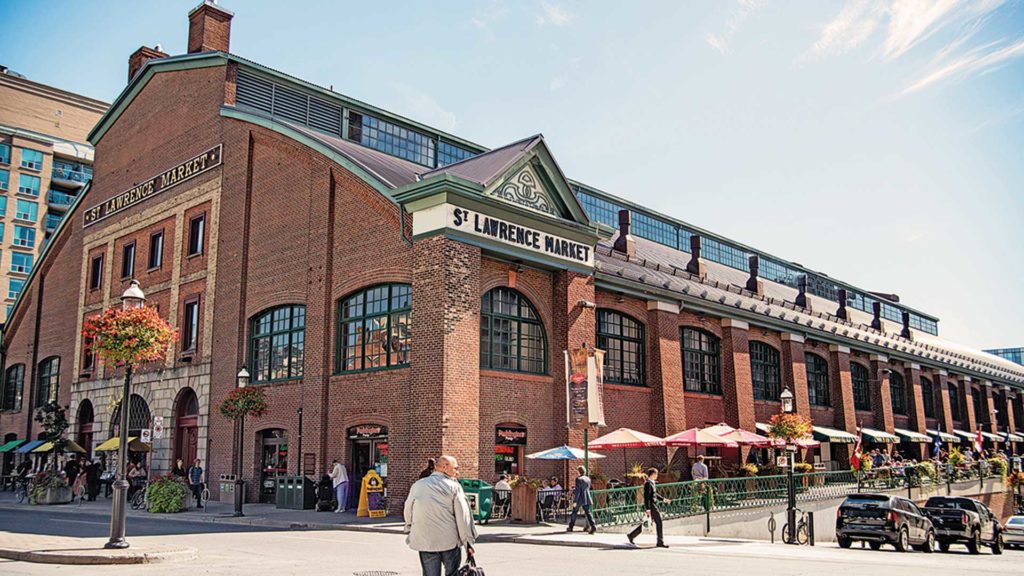
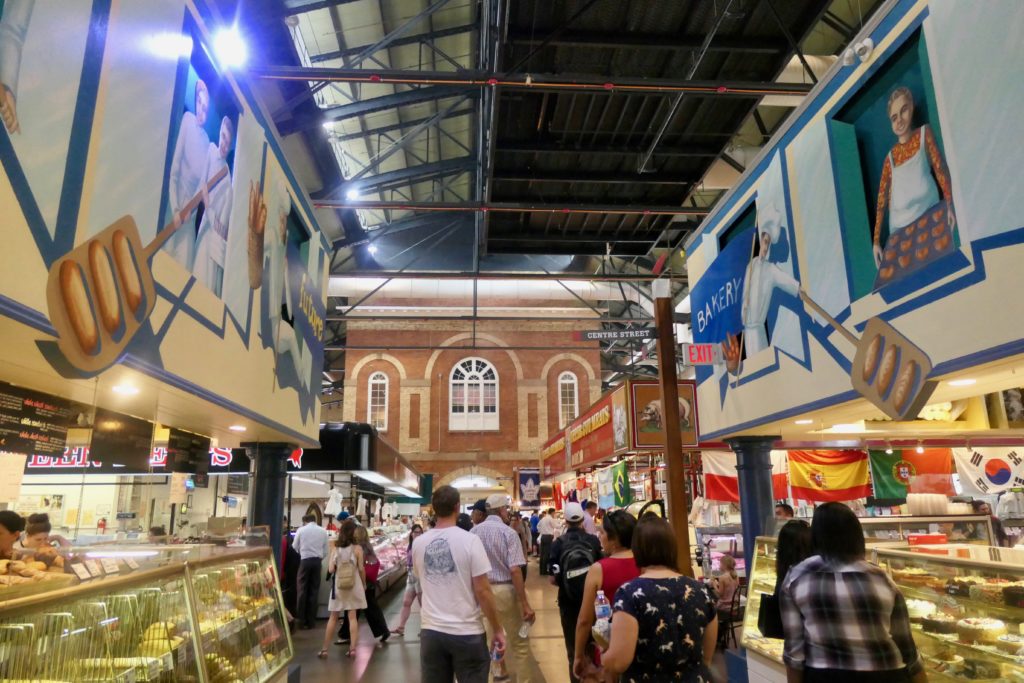
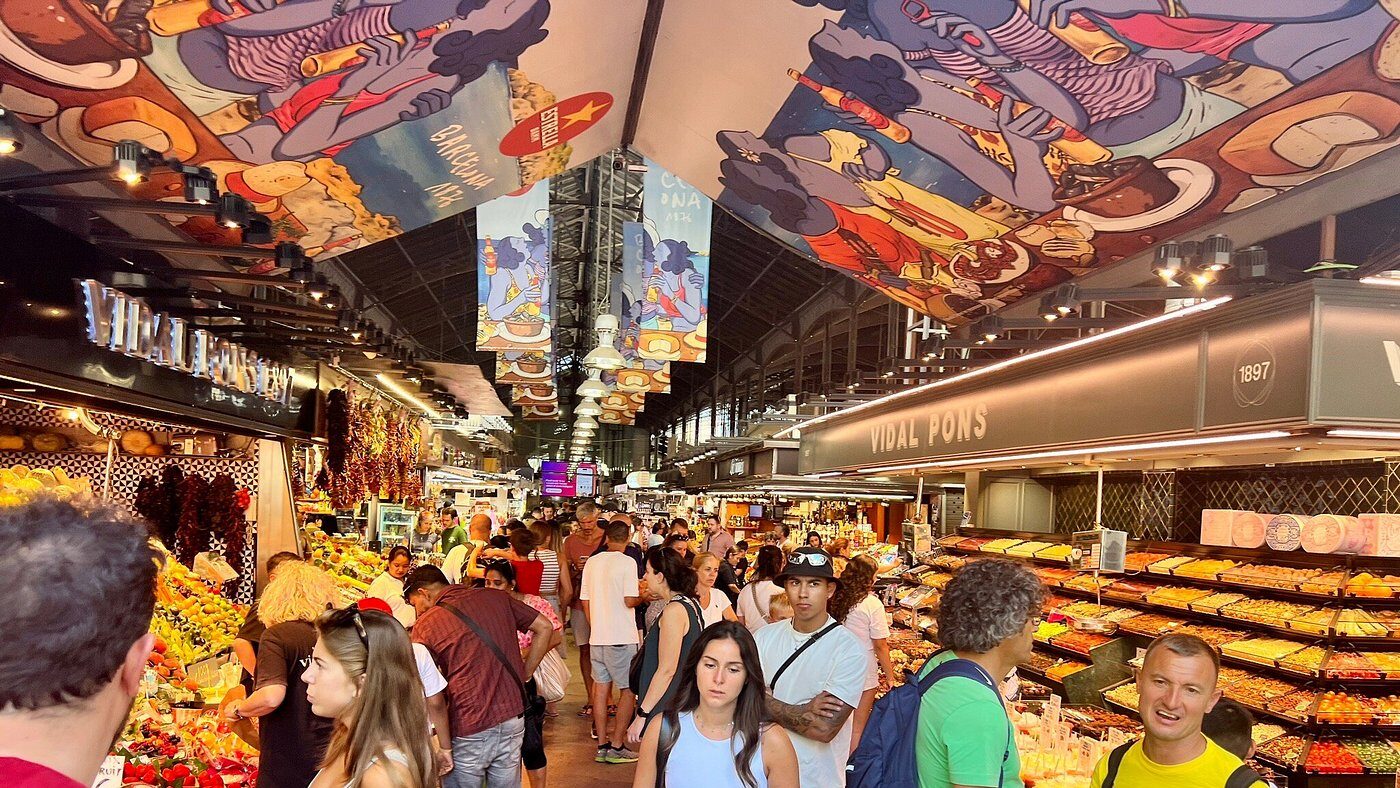
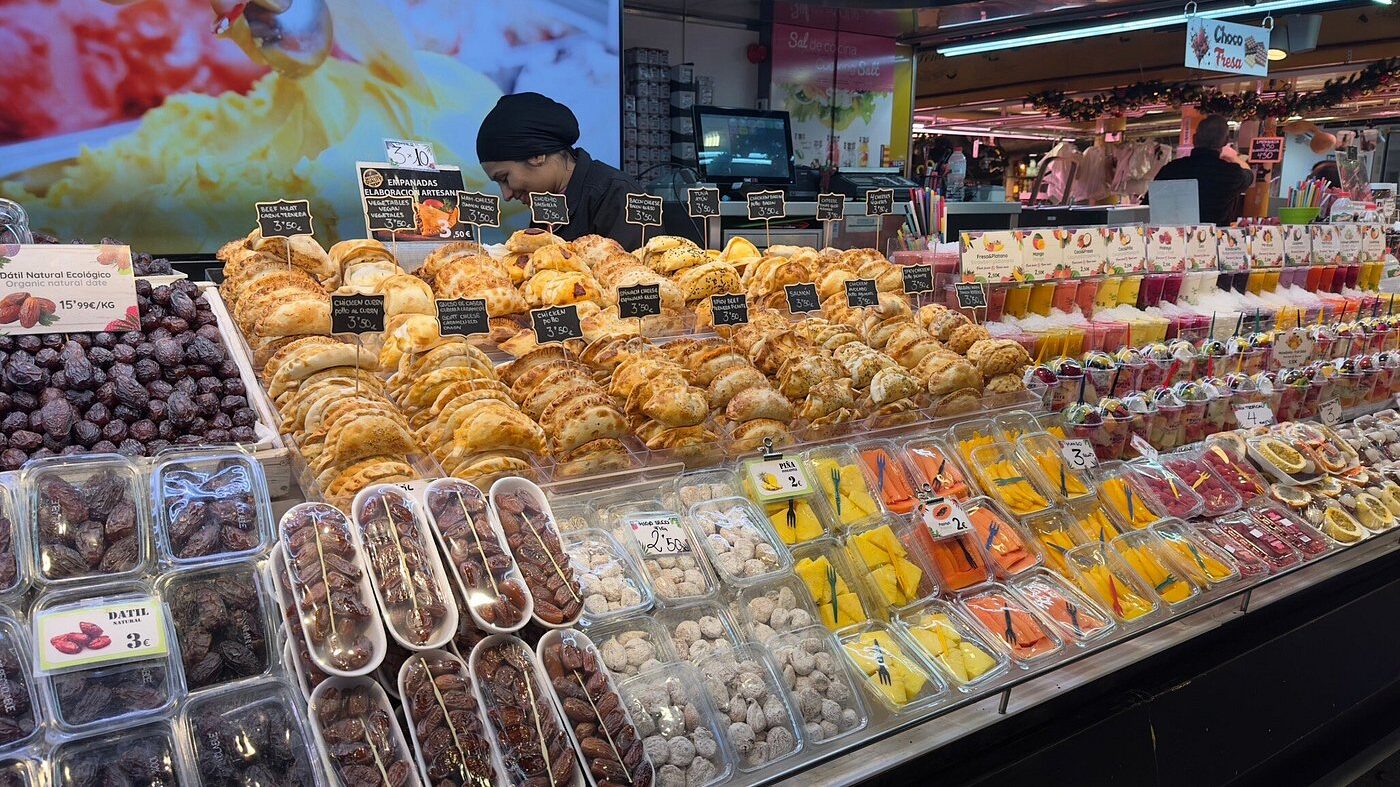
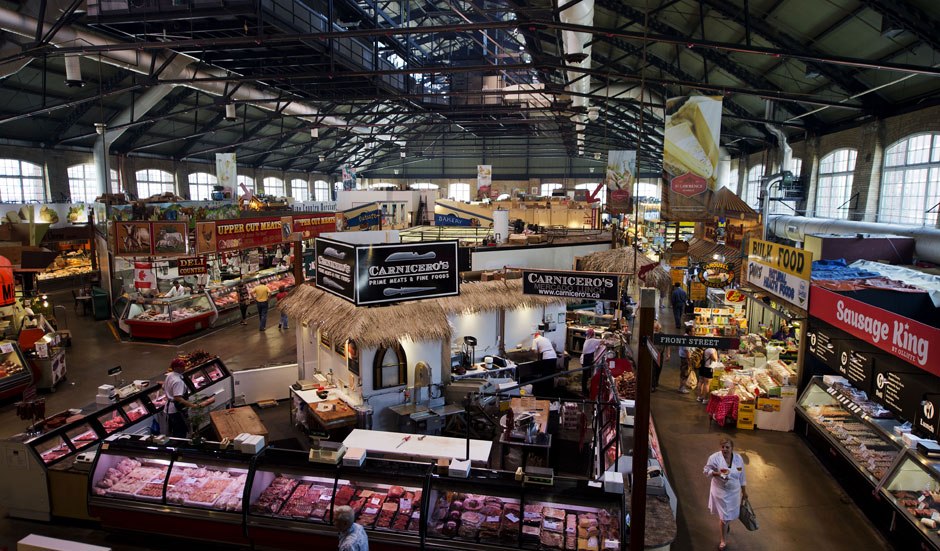 It’s no wonder that National Geographic voted the market the world’s best food market.
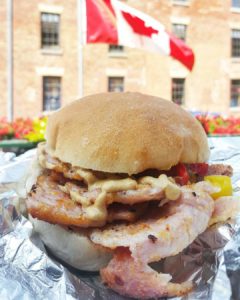
 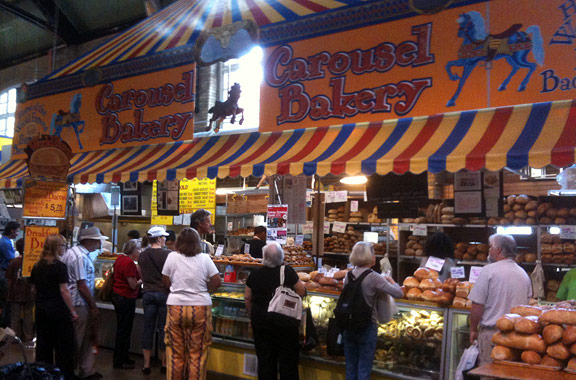 to sample an iconic dish, Toronto’s Peameal Bacon sandwich, which is almost obligatory to eat if you visit Toronto.
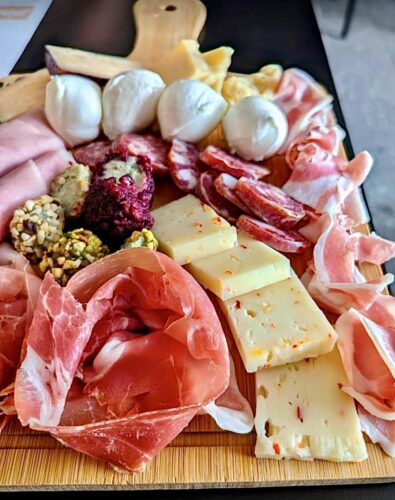
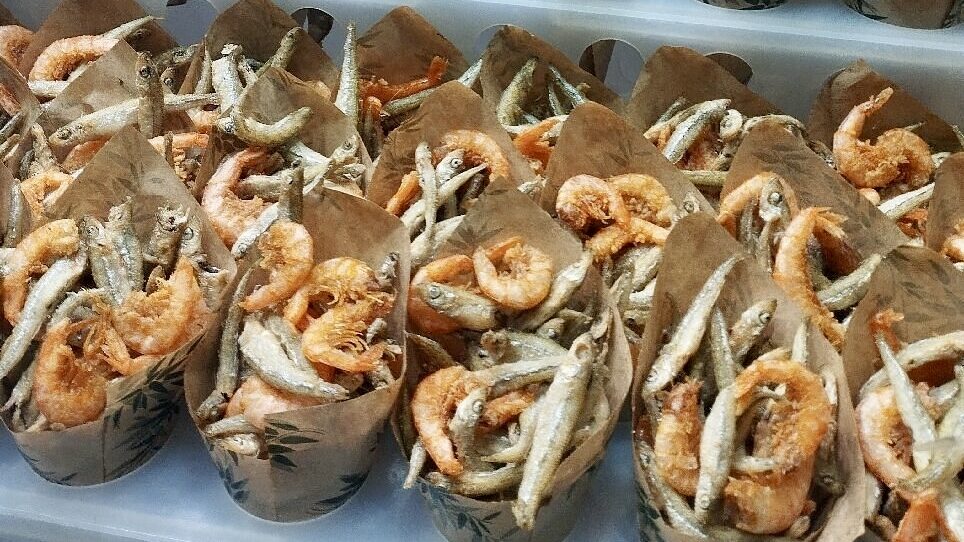
 This was followed by a visit to Scheffler’s Delicatessen & Cheese to try their cheeses and charcuterie board. , Mike’s Seafood was very popular, particularly the Oyster Bar
 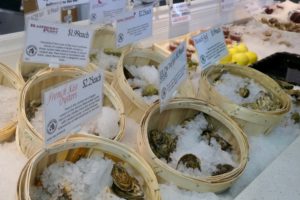 and the samples of hot and cold smoked salmon.
  We called in at European Delight to try their Pierogi, (little dumplings filled with a sweet or savour filling)
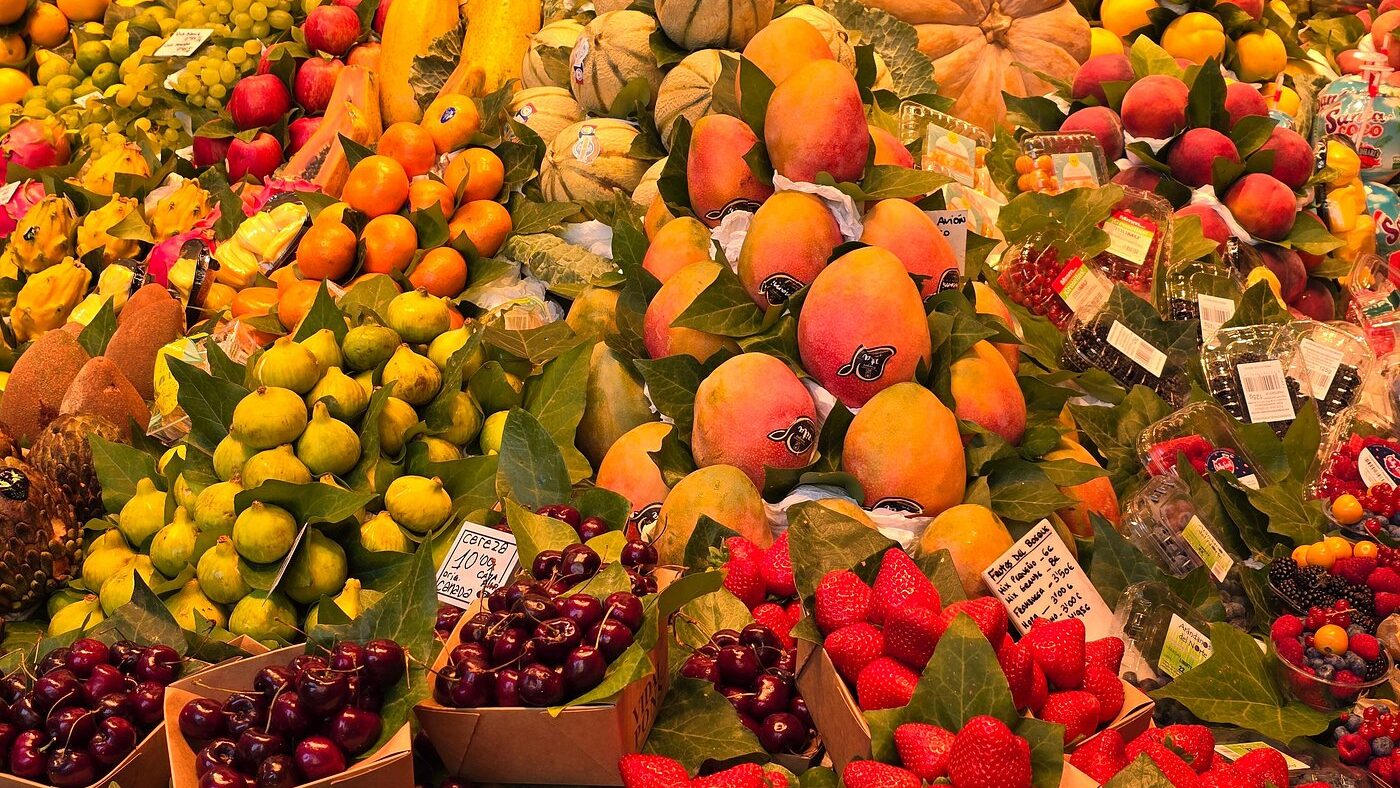
 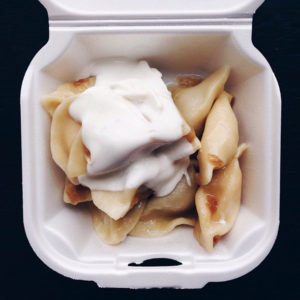 and snacked on fruit and berries from the various fruit stalls before ending up at Churrasco of St Lawrence to try another of Toronto’s iconic dishes, Portuguese Custard Tarts.
 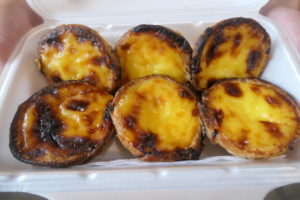 As we went Leo told us the history of the people who had, in many cases, run these stalls for generations.
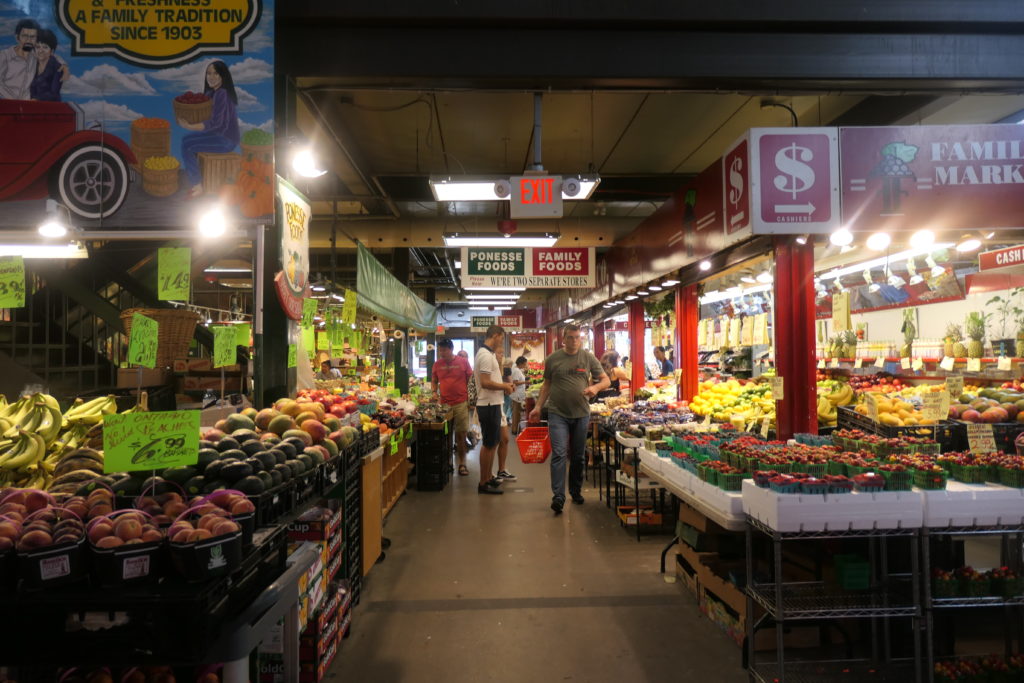 I was keen to get some samphire or sea asparagus that I had spotted earlier whilst the boys headed for the meat section to buy a large steak for dinner that night.
 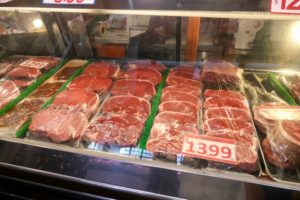 Christine and I split up in search of Cinnamon and Raisin Bagels but all the bakeries were sold out – we had been pipped at the post by Edgar who arrived with a bag full – he had bought the last ones in the Market!
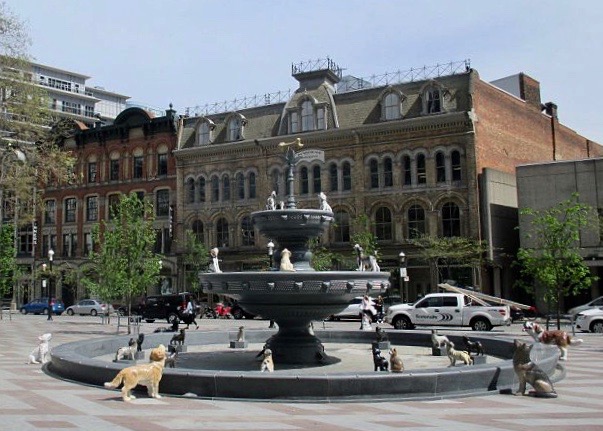 The dogs are all looking up towards a large bone perched on the fountain’s peak. The cat is looking north at statues of two small birds perched on the arm of a lamppost about 3 metres away from the fountain. Each of the dog statues contributes to the fountain function by sprouting water upwards from their mouths. The fountain also includes a ground level trough to provide drinking water for real dogs!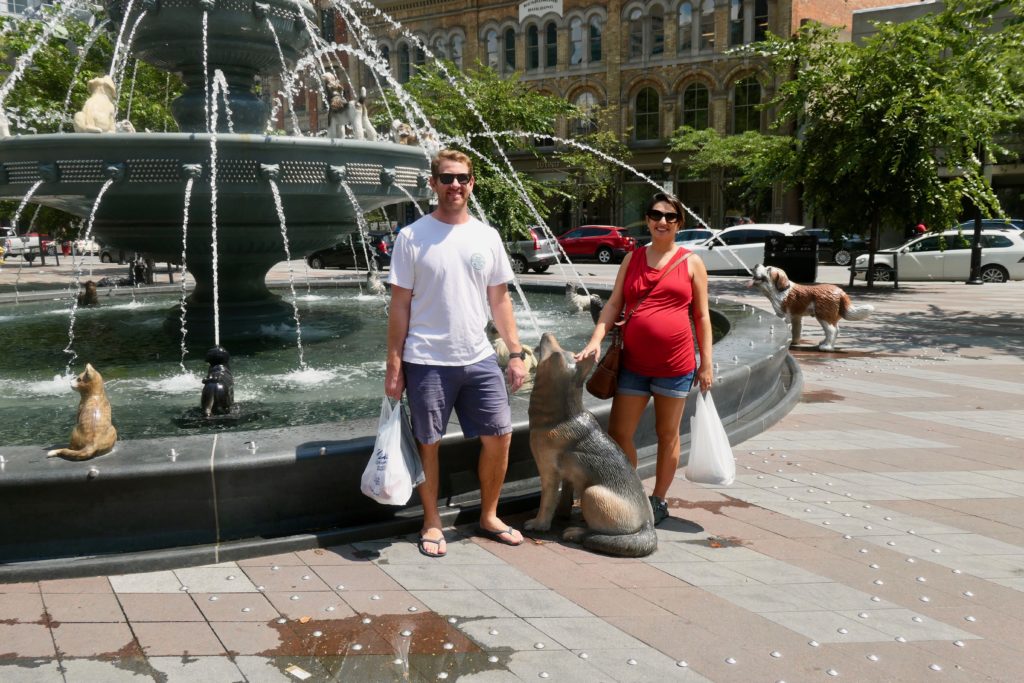
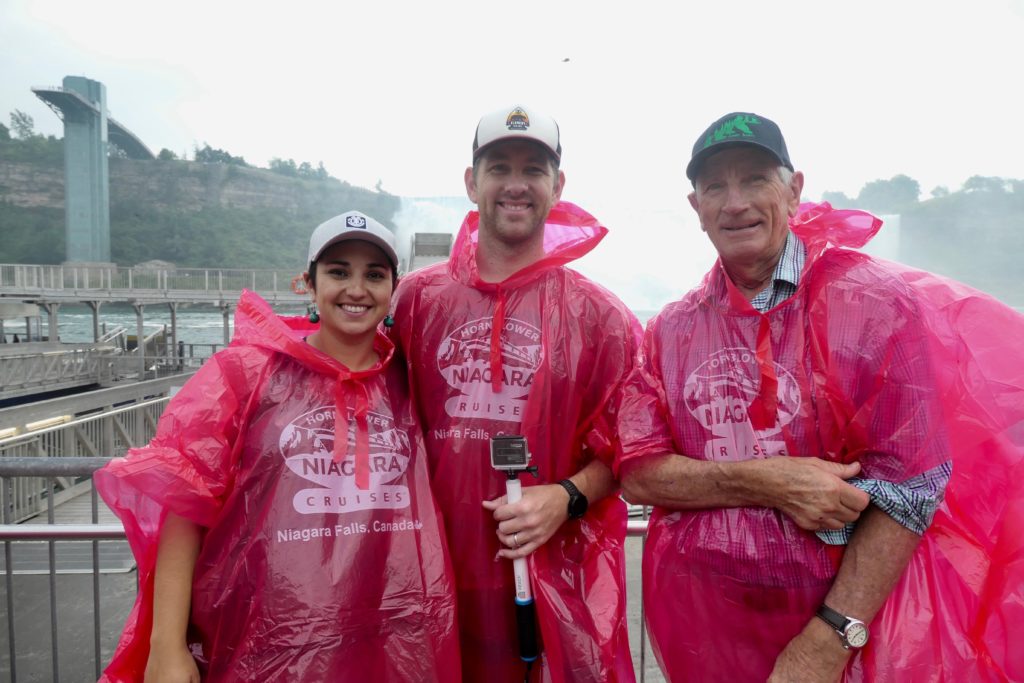
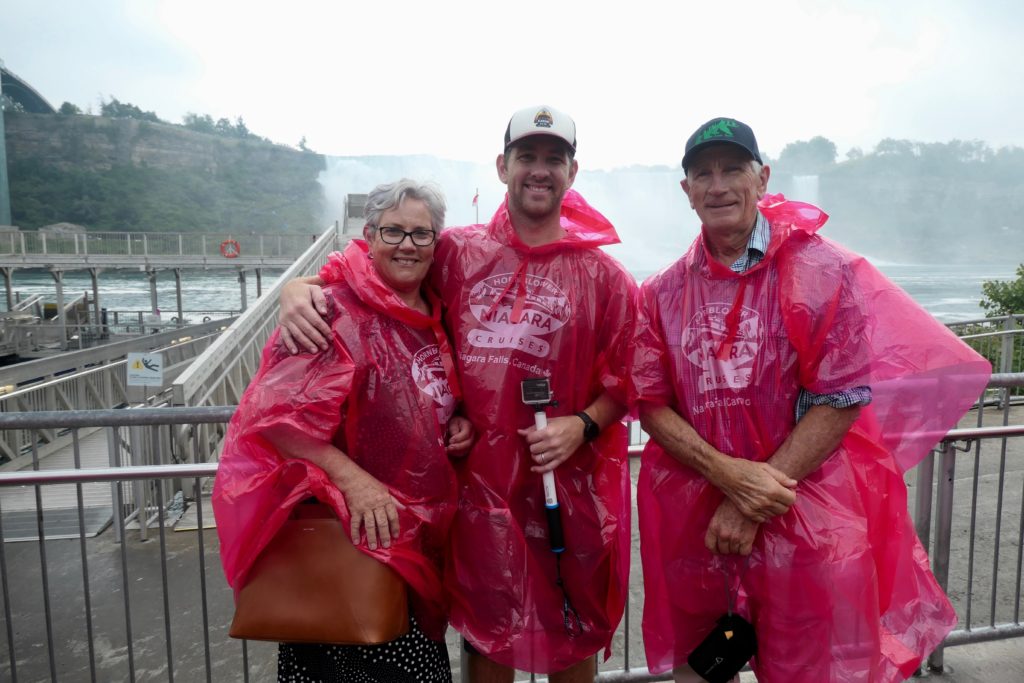 It is obviously a popular cruise and there were plenty of people on the same mission.
 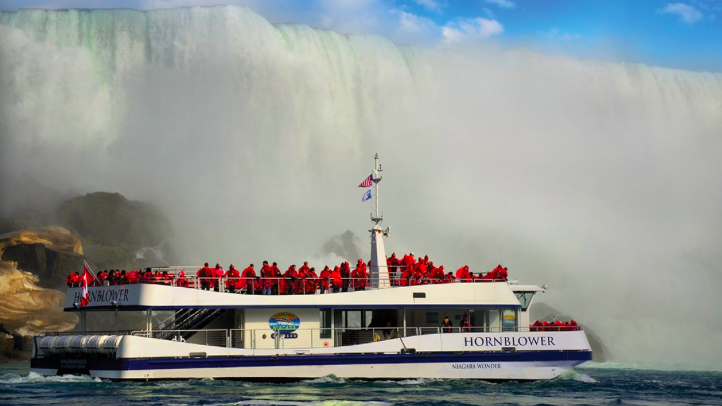 Fortunately we had got there early and the wait wasn’t too long before we off cruising past the American Falls, Bridal Veil Falls and on to Horsehoe Falls.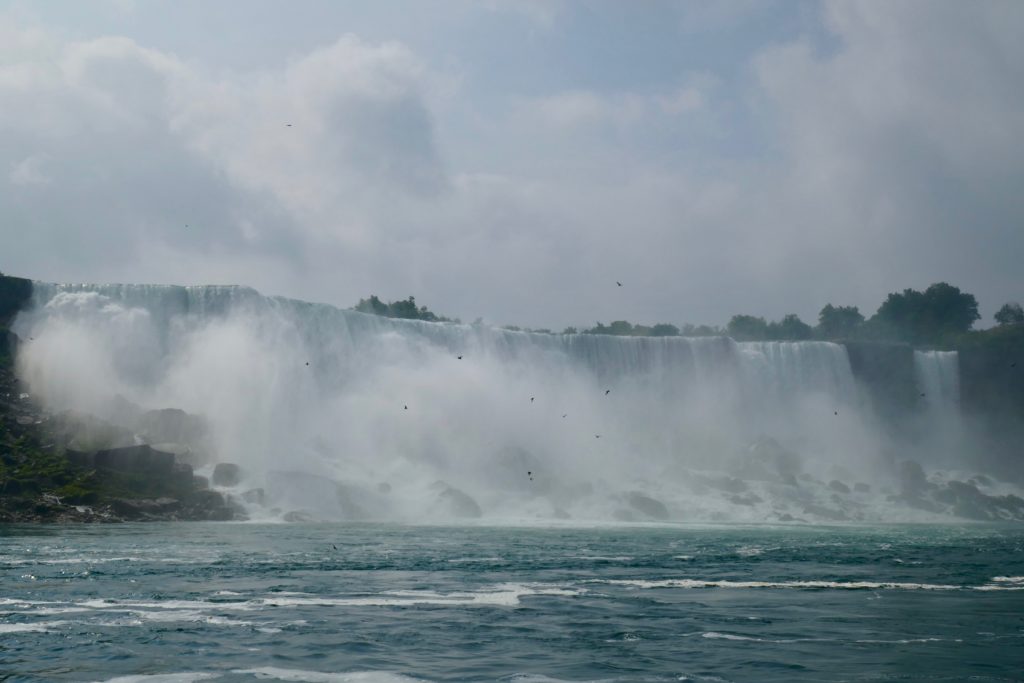
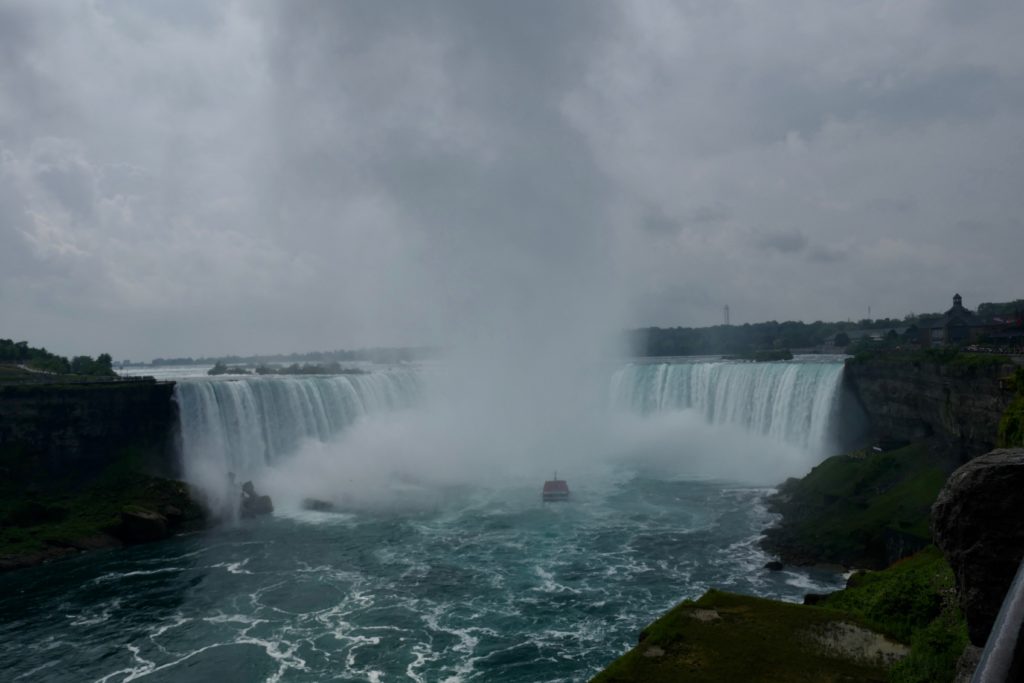
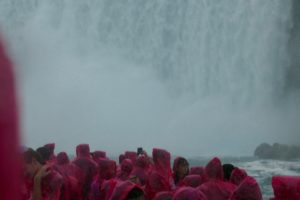
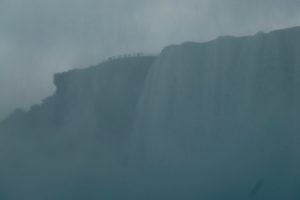

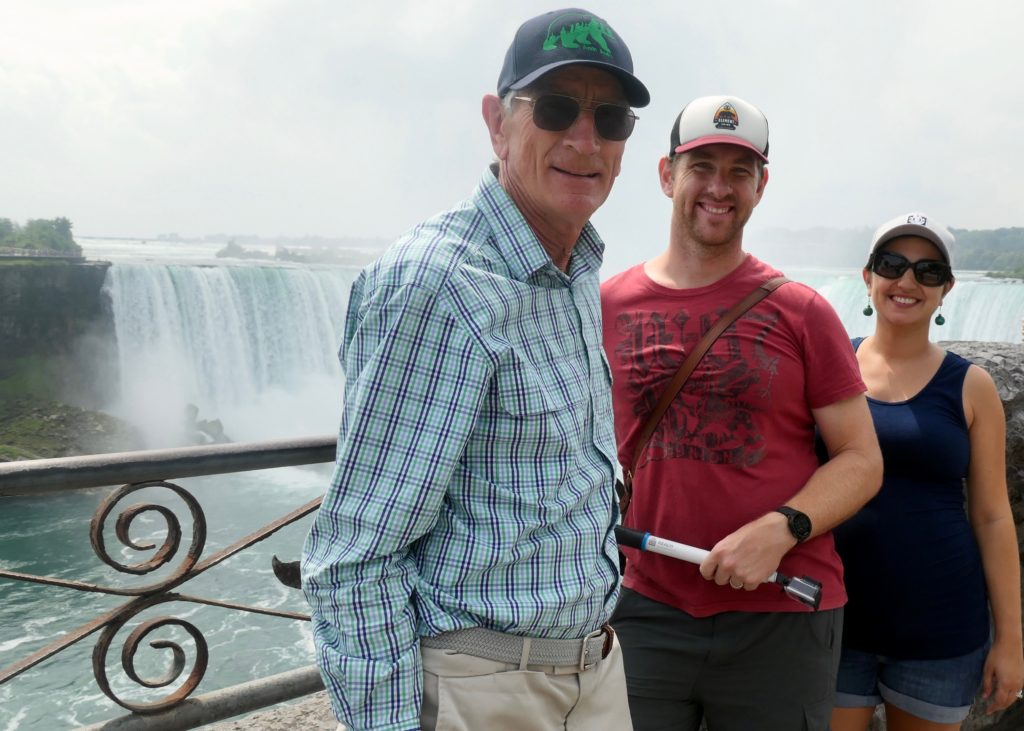 Looking at the speed and volume of the water going over the edge you couldn’t help thinking it must have been a hell of a ride in a barrel!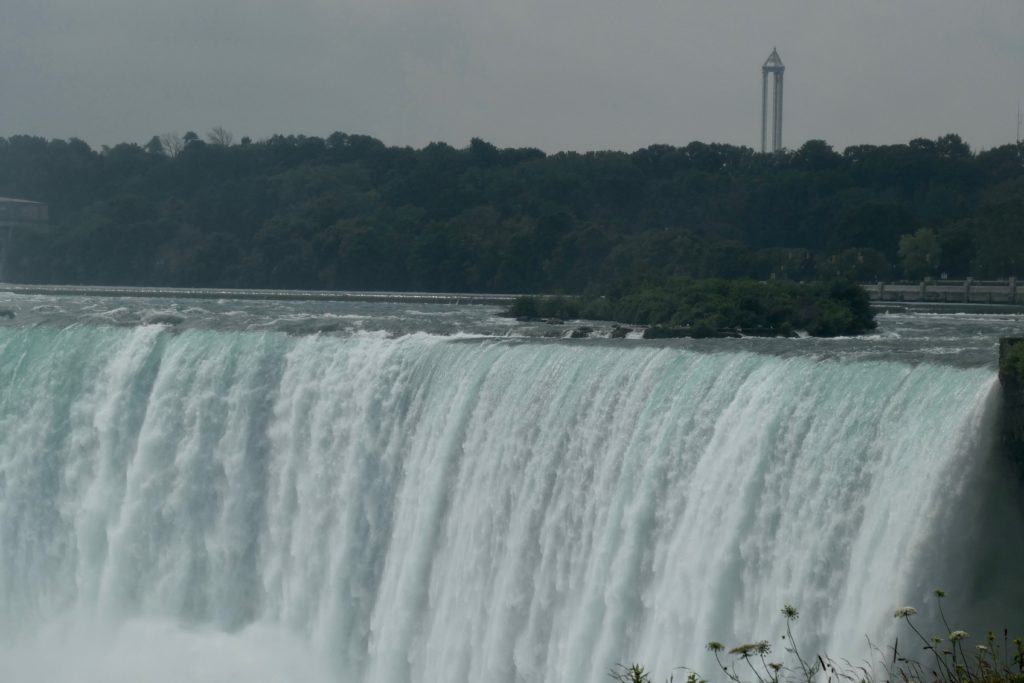
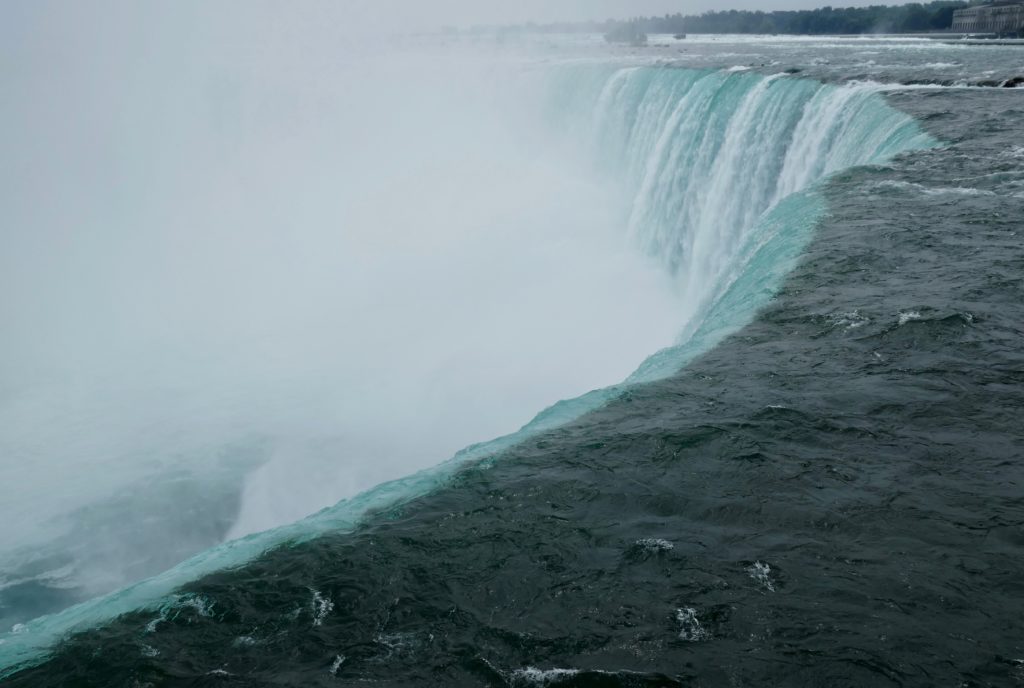
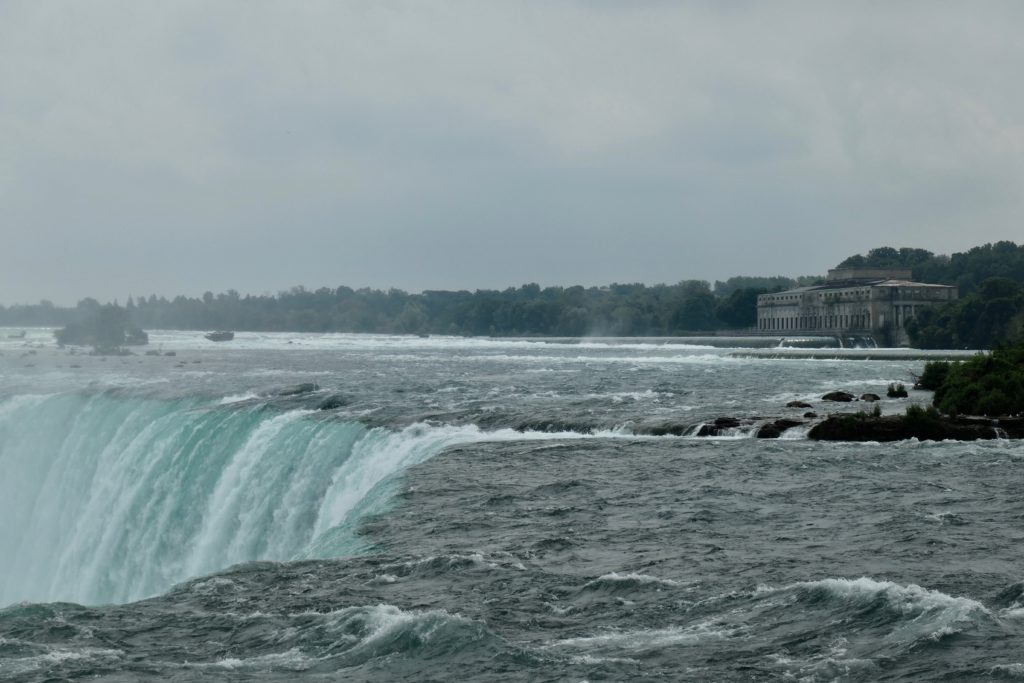
 and walked back through the various hotel gardens,
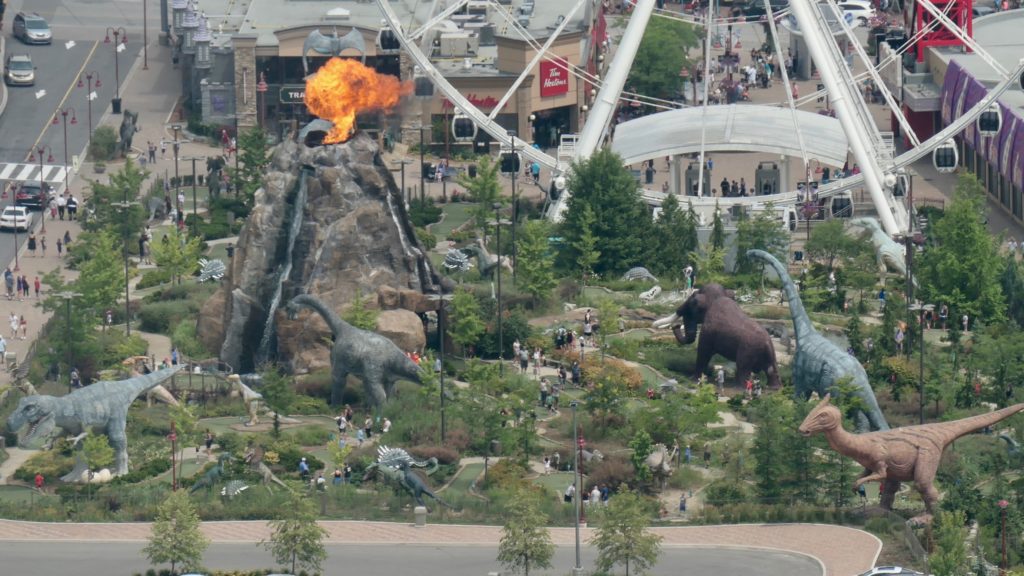
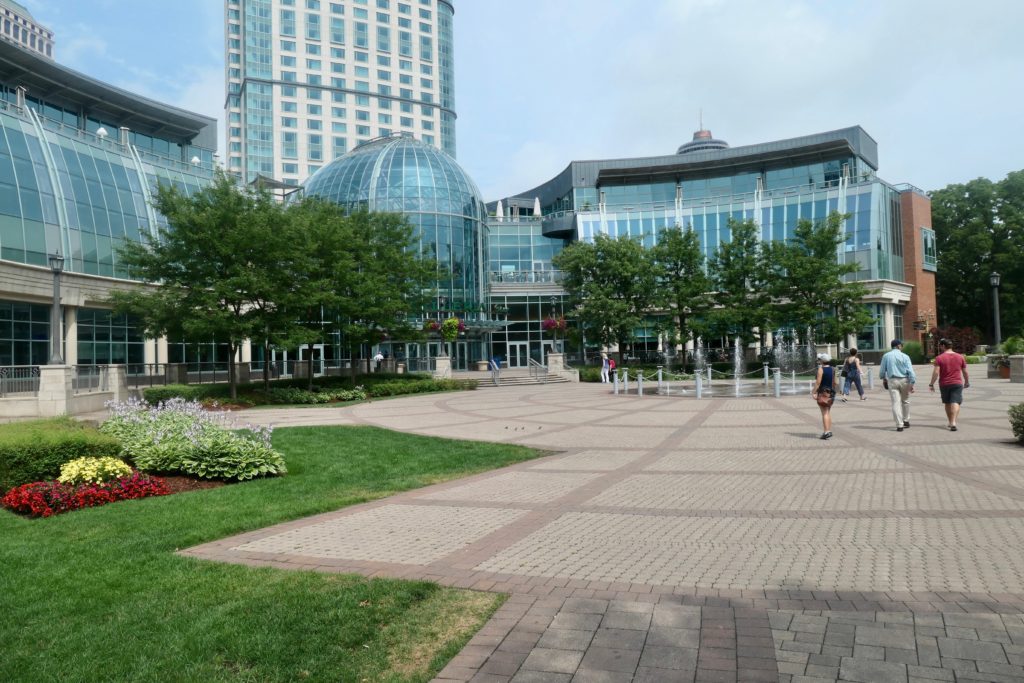 past the casino and on to the Skylon Tower. We had debated whether to have lunch there but the reviews were not good, so we only went as far as the Observation Deck where we had a terrific overview of the Falls and the Niagara River beyond.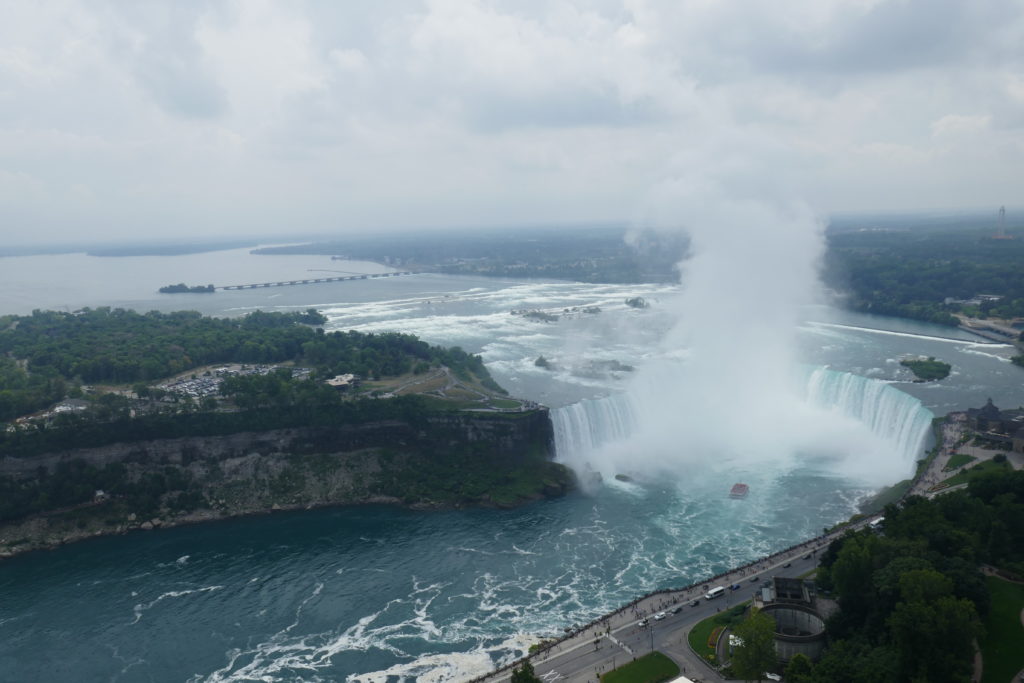
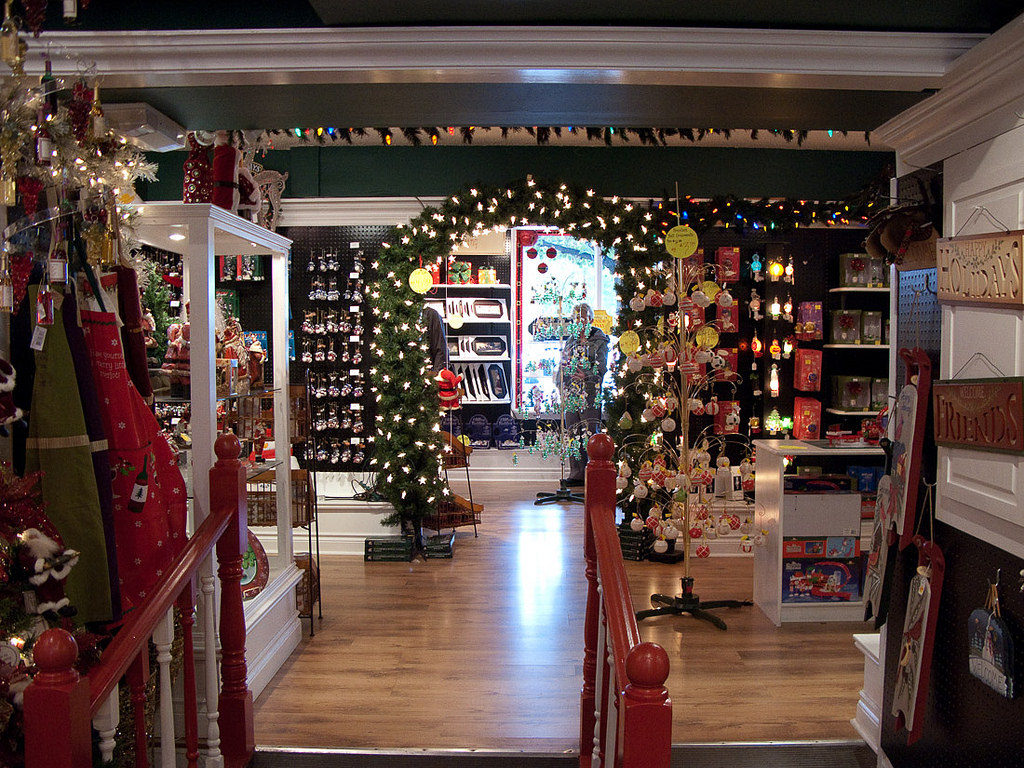
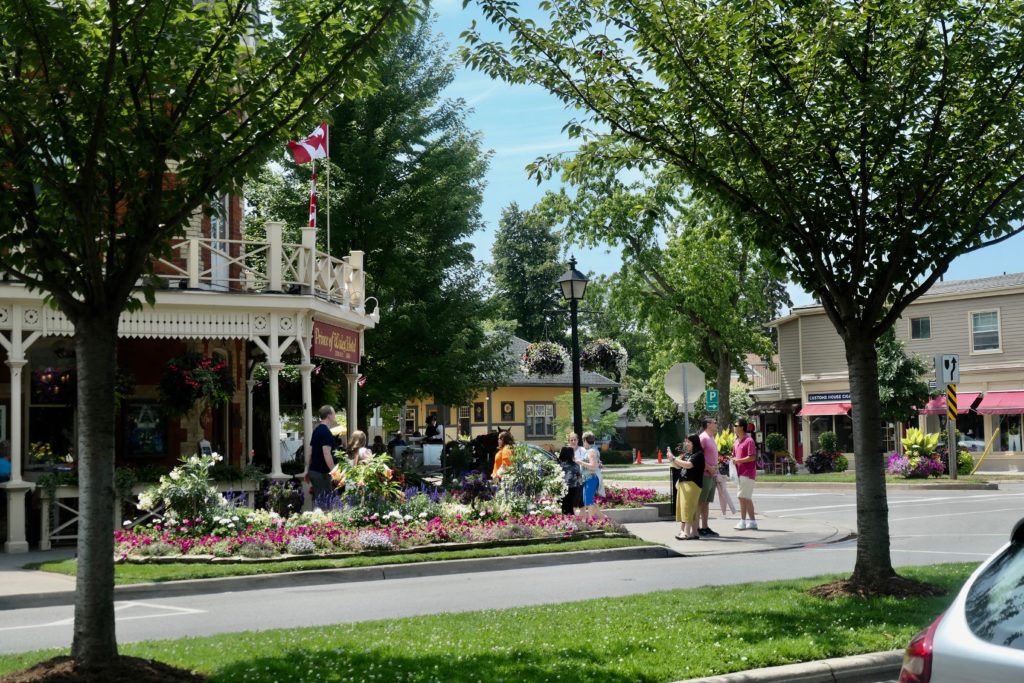 Near the river sits the 19th-century Fort George, which was built by the British to defend against American attacks.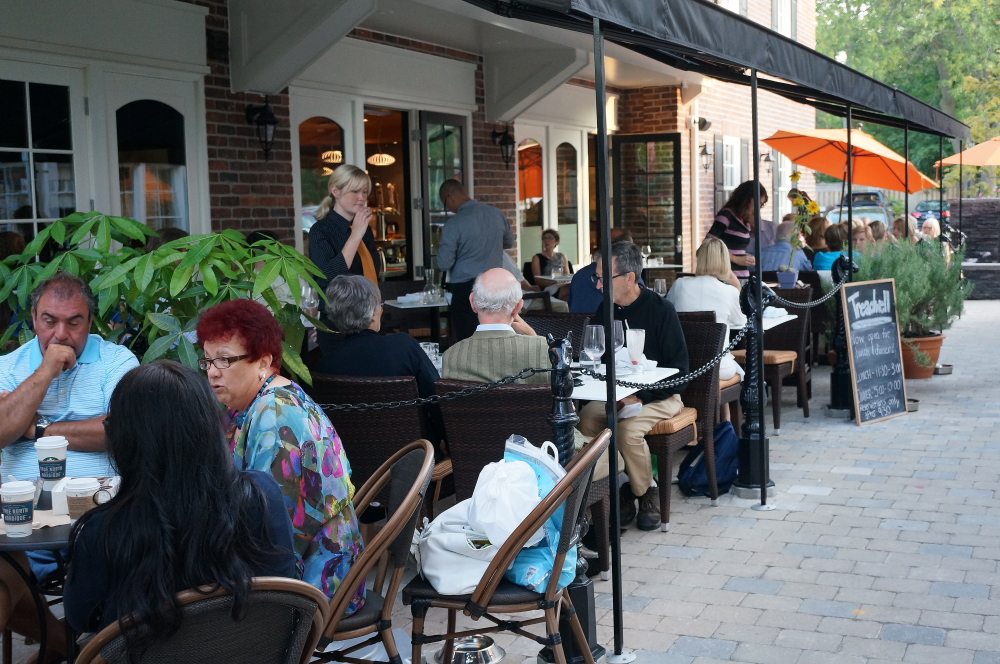
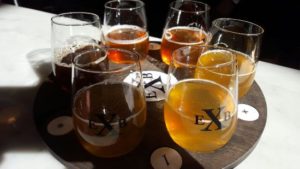
 We finally took mercy on the boys and retired to the Exchange Brewery where we tried a couple of their flights of beer.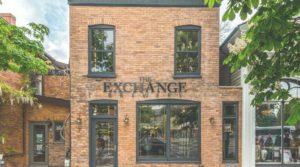
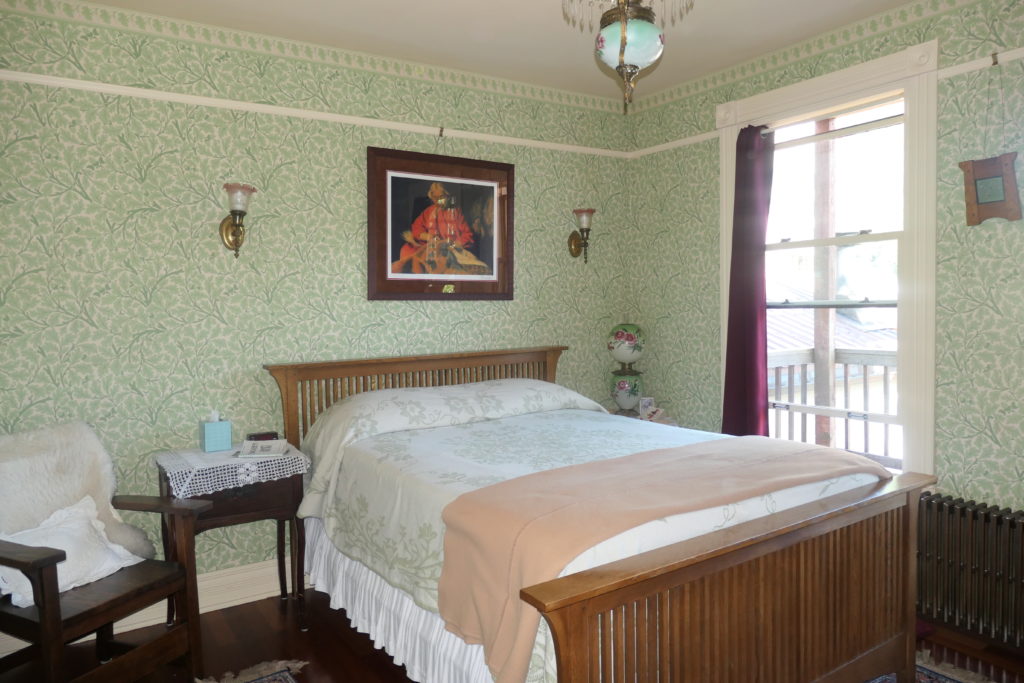
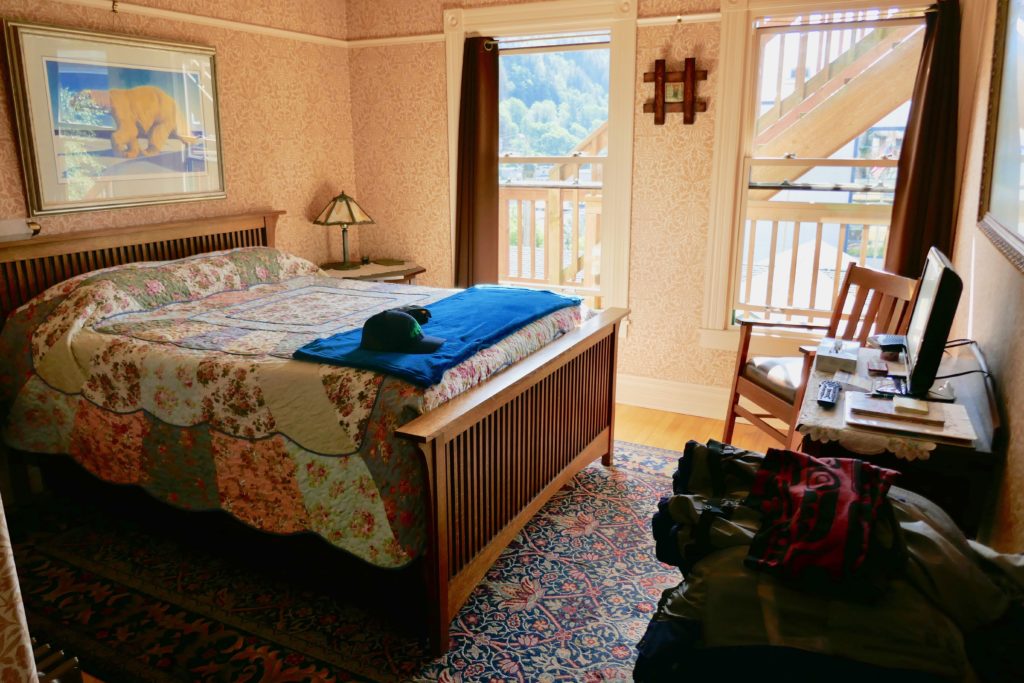
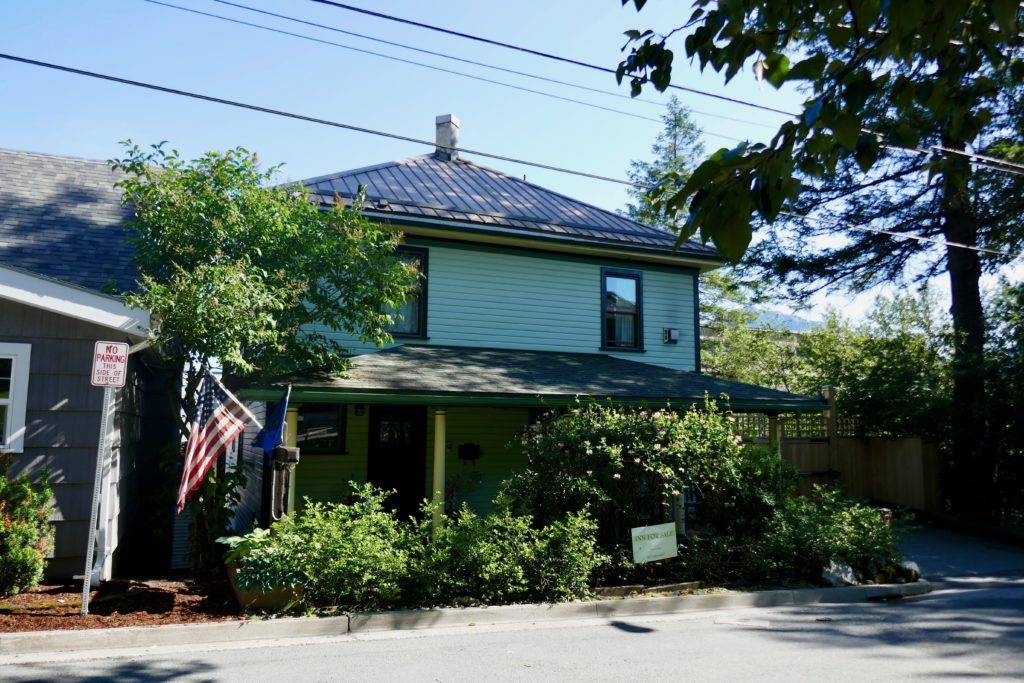 Now the Alaskan Capital Inn, this was our destination for our stay in Juneau. The Innkeepers, Linda Wendeborn and Mark Thorson, have preserved the early memories of this pioneer’s historic home in the décor and memorabilia offering a glimpse into another era.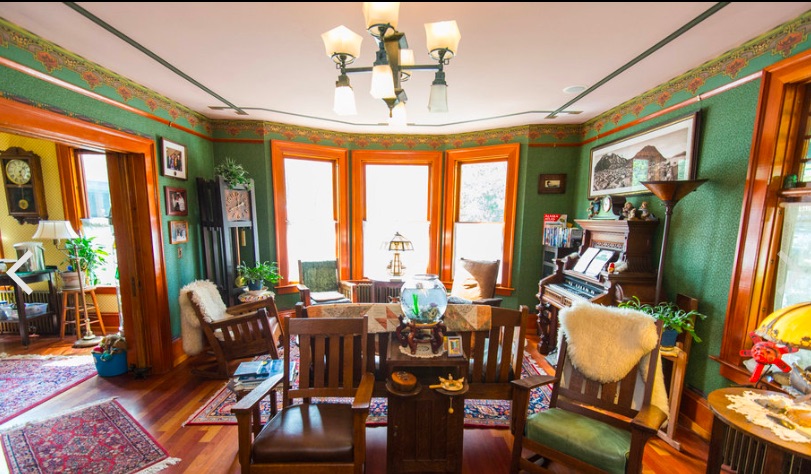
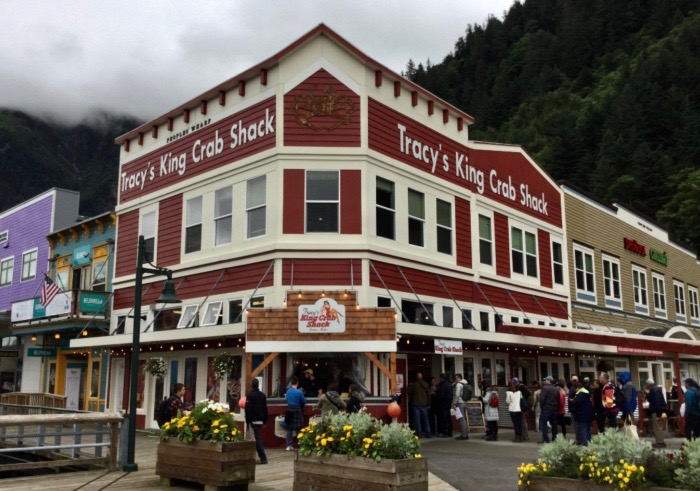
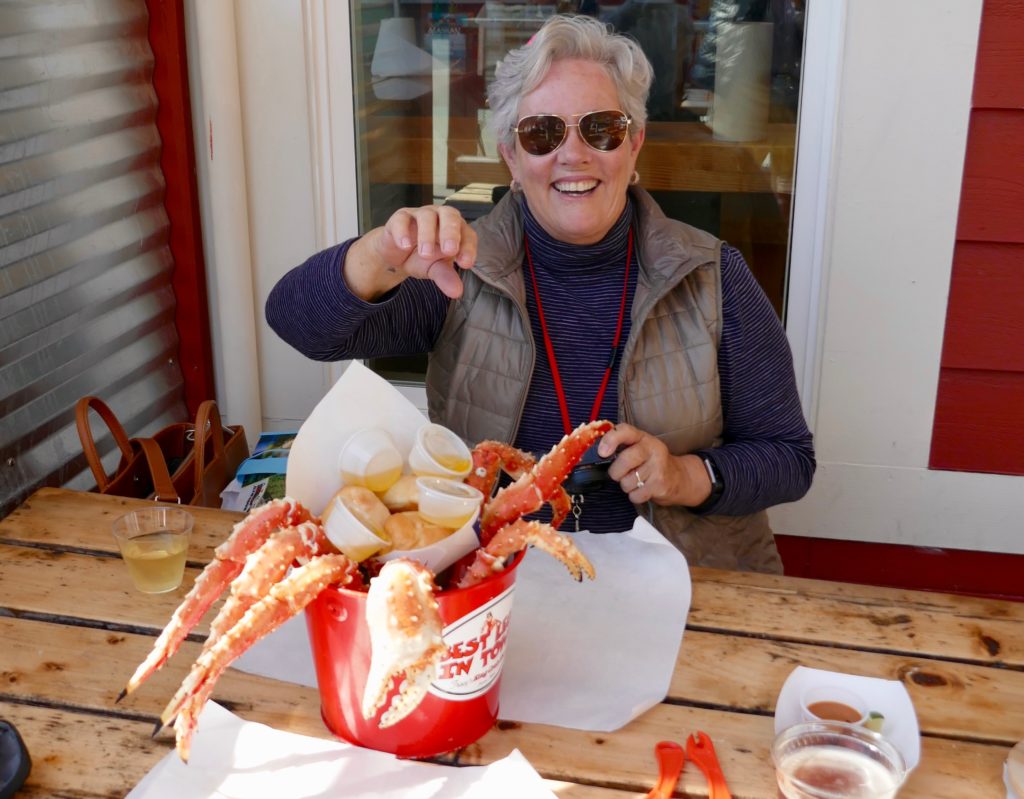
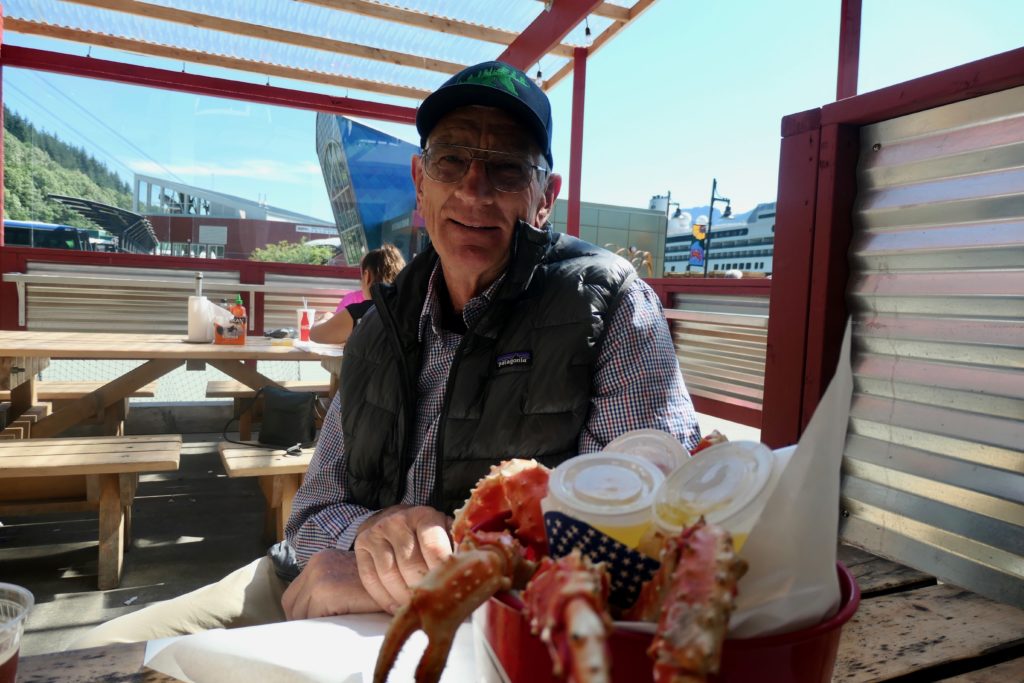
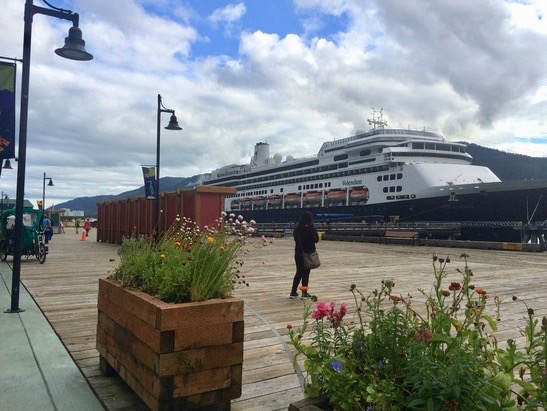 Tracey’s was no longer a shack but a large custom designed building housing one of her four restaurants. The boilers were still going flat out but (maybe it was just our imagination) the crabs didn’t seem so fresh and the crab chowder was much more spicy.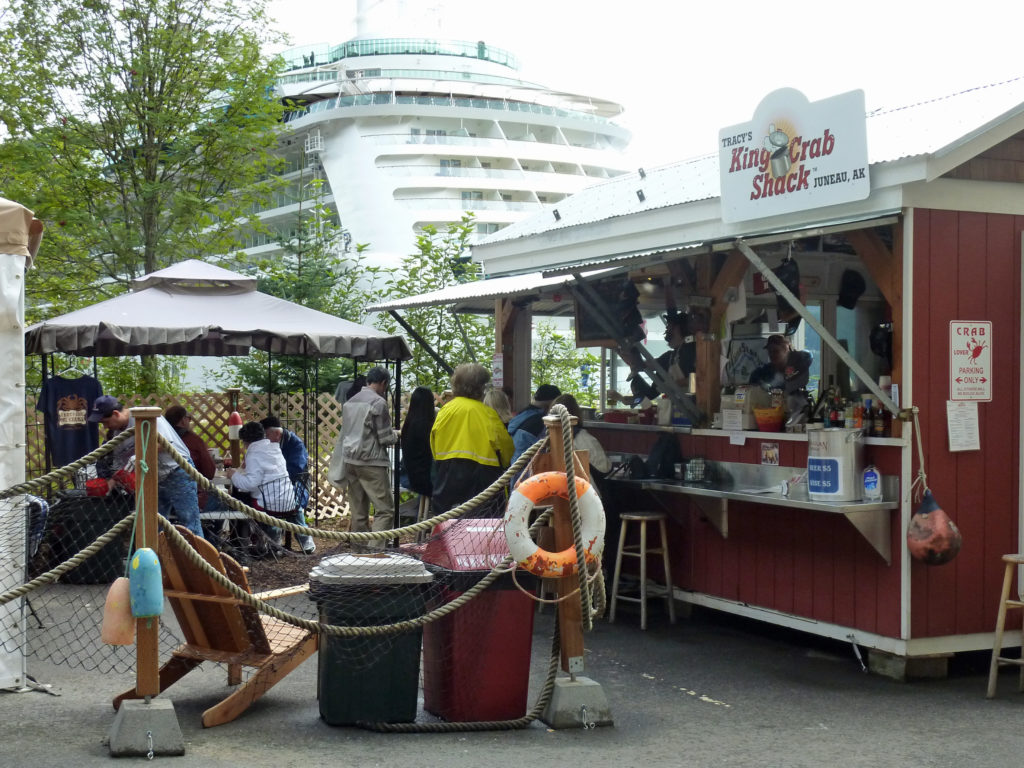

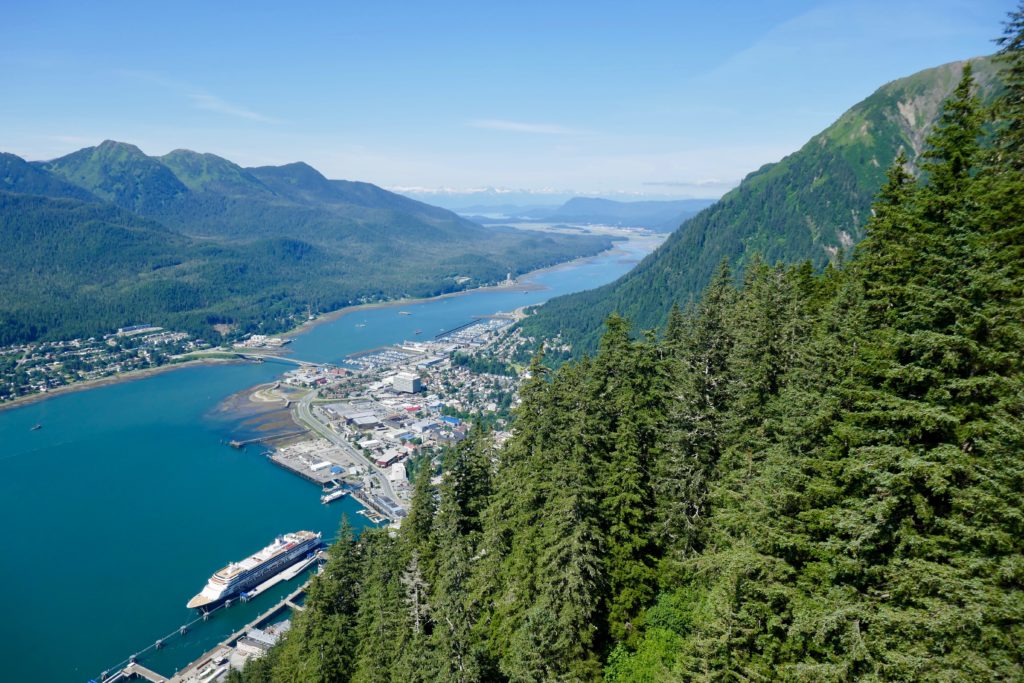

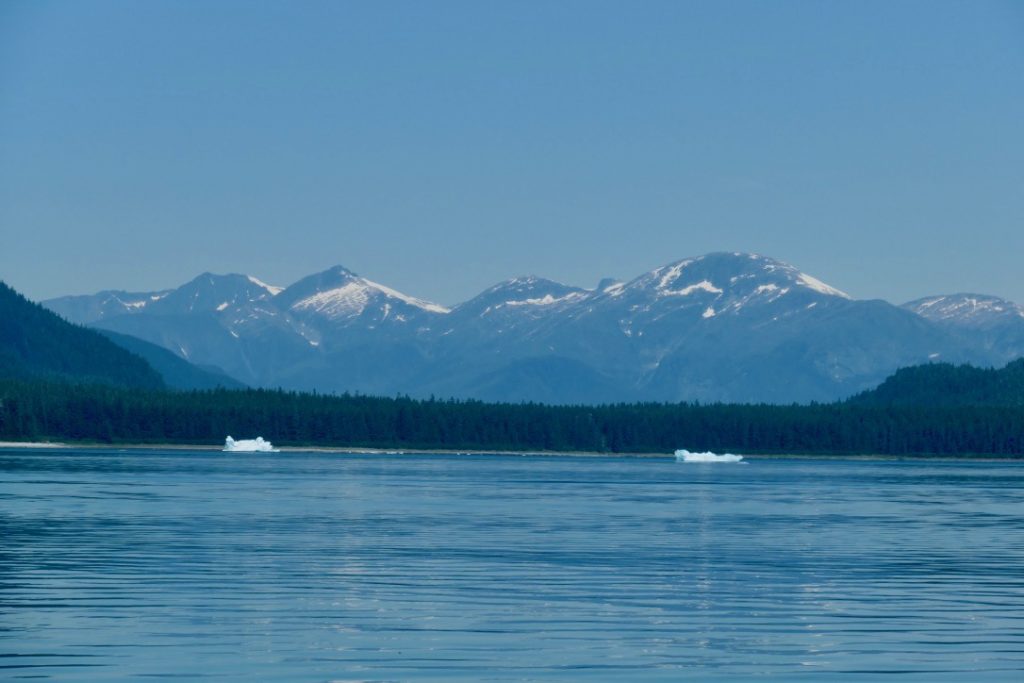

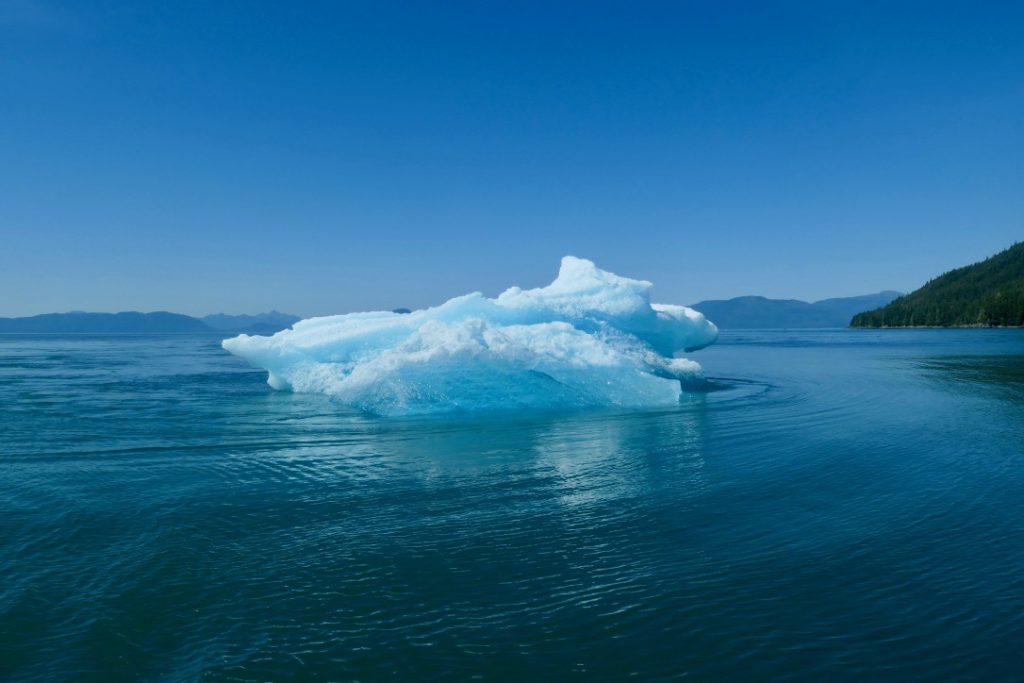
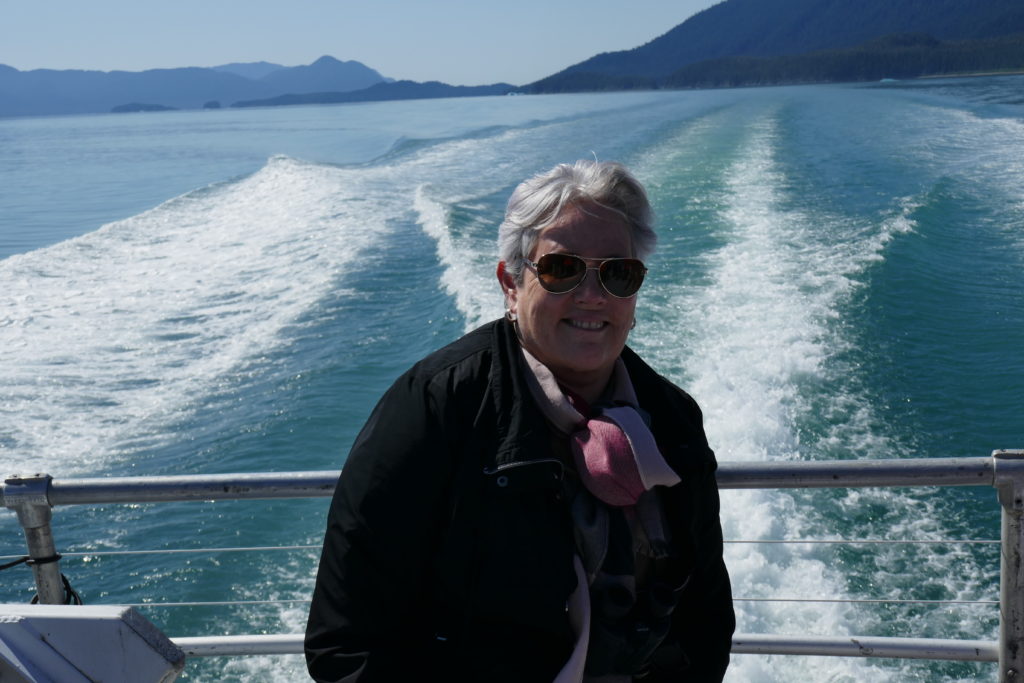
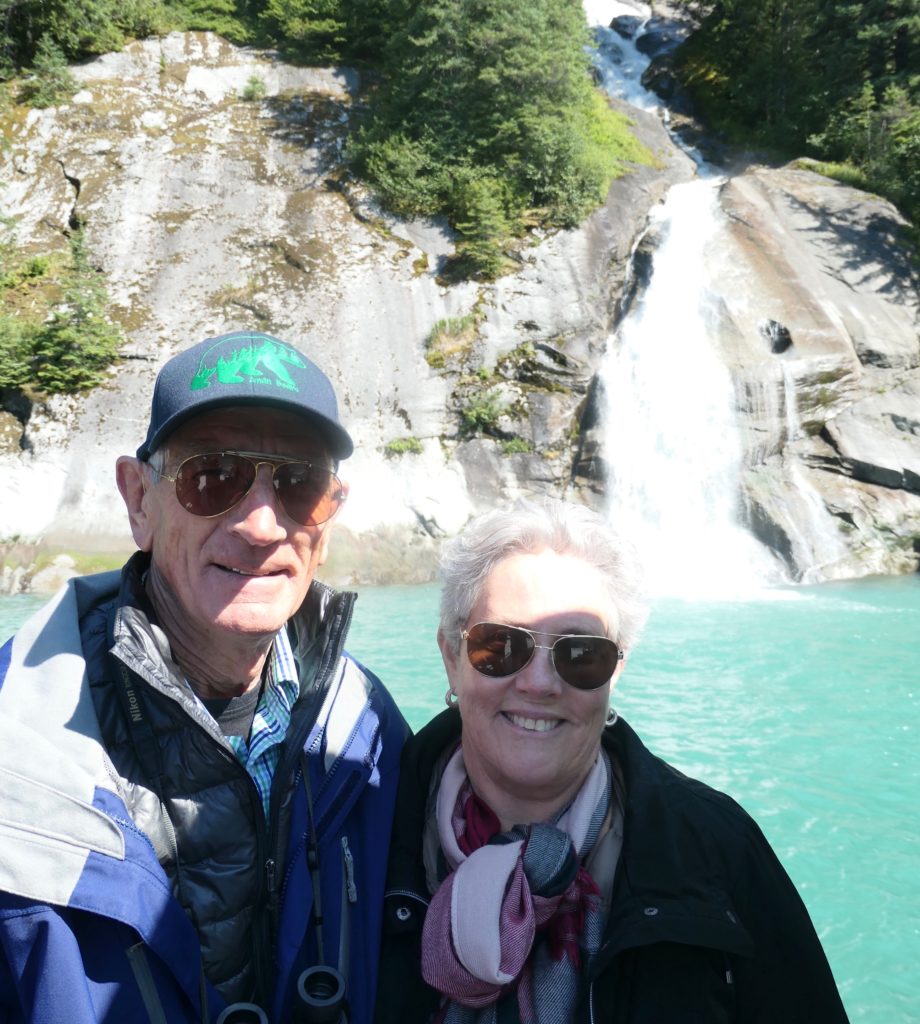
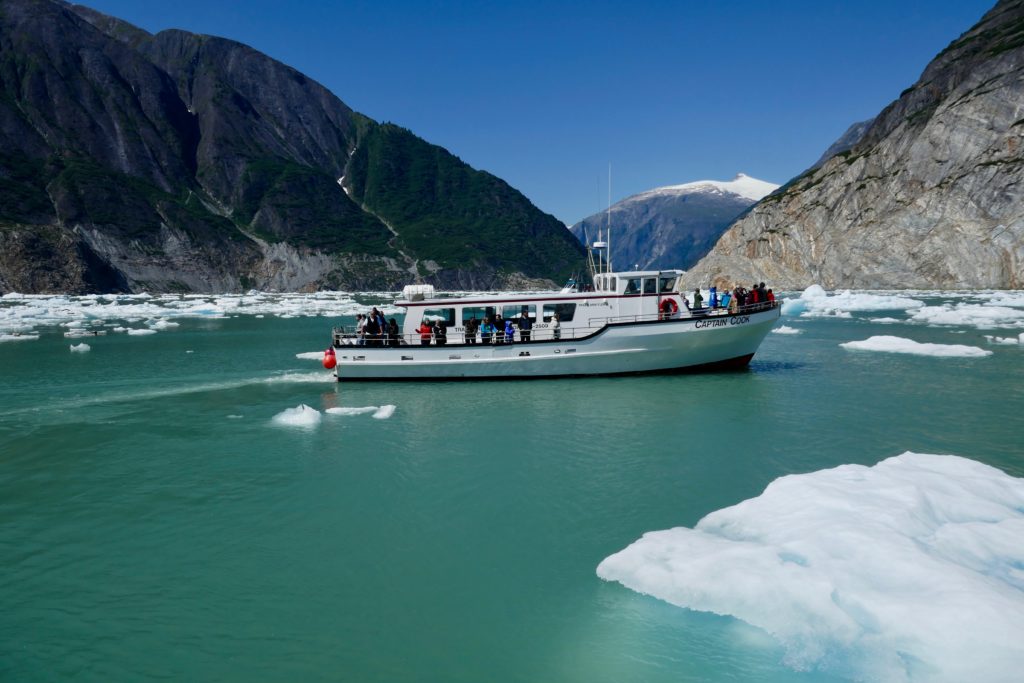
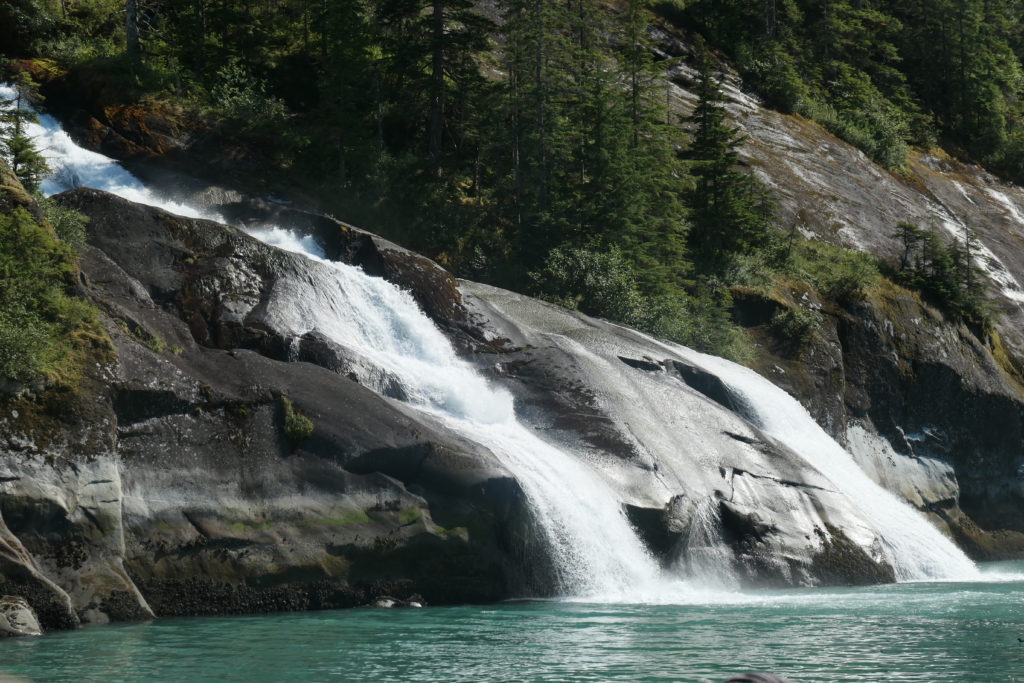 We passed the floating icebergs and waterfalls until eventually reaching the glacier.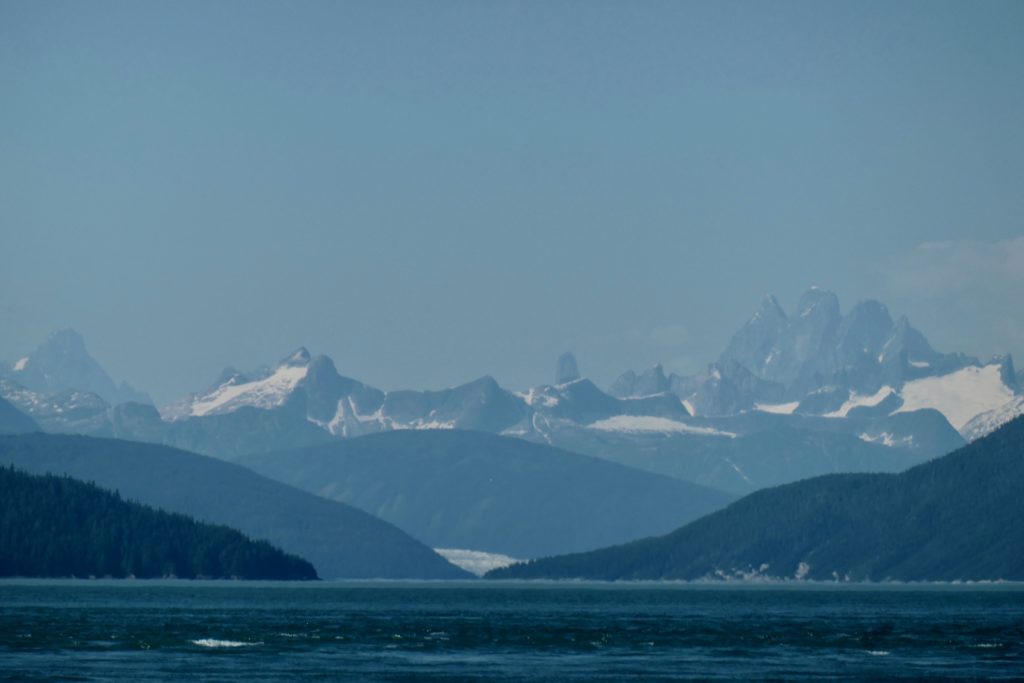
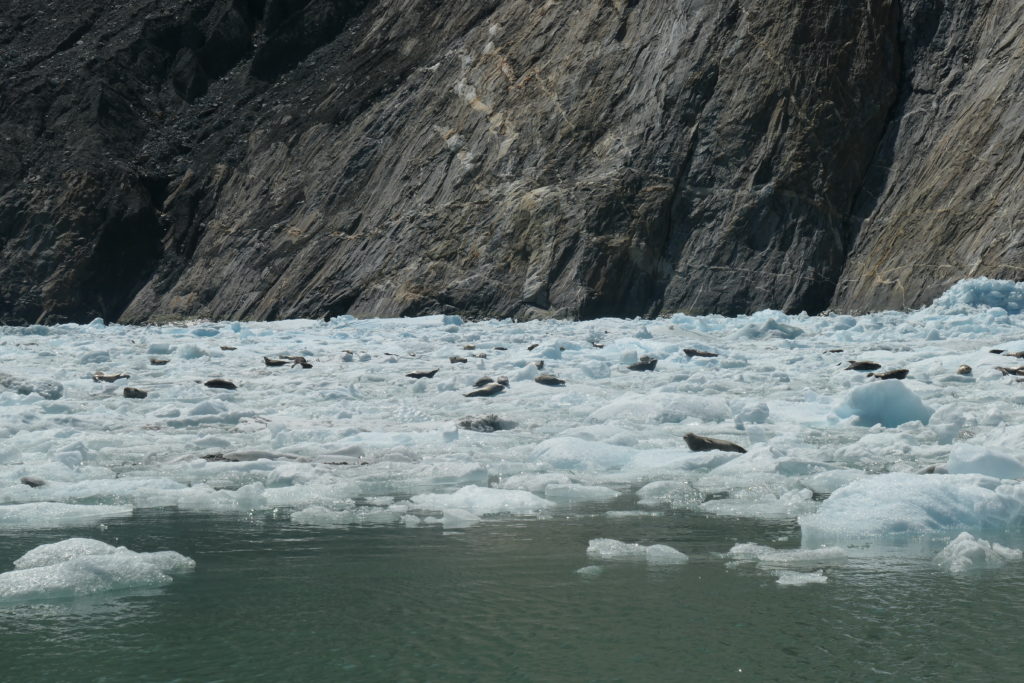
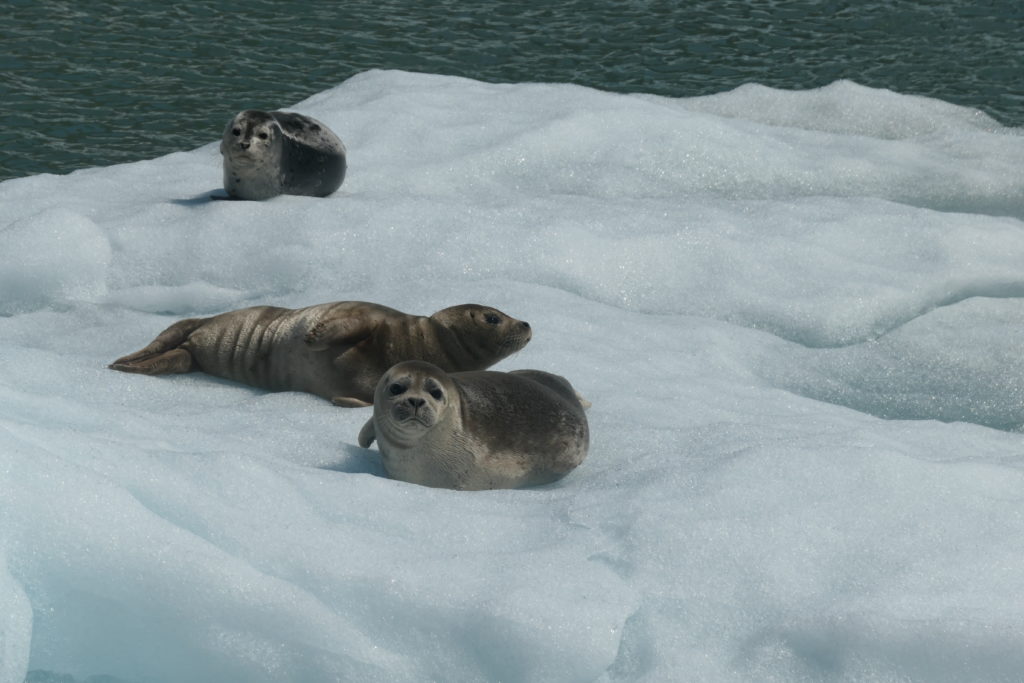
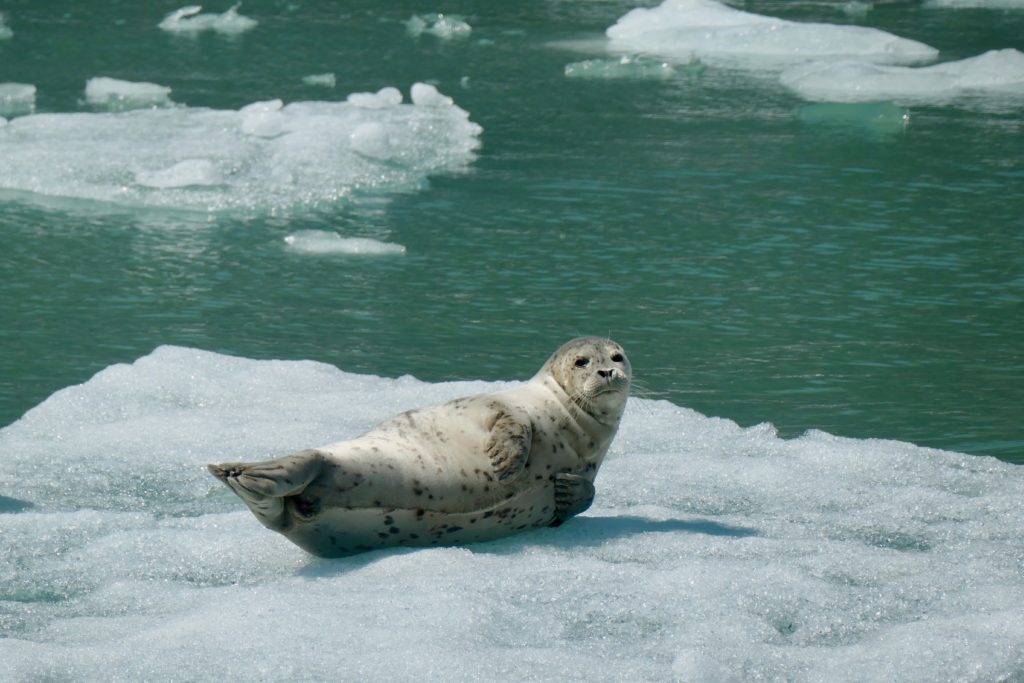
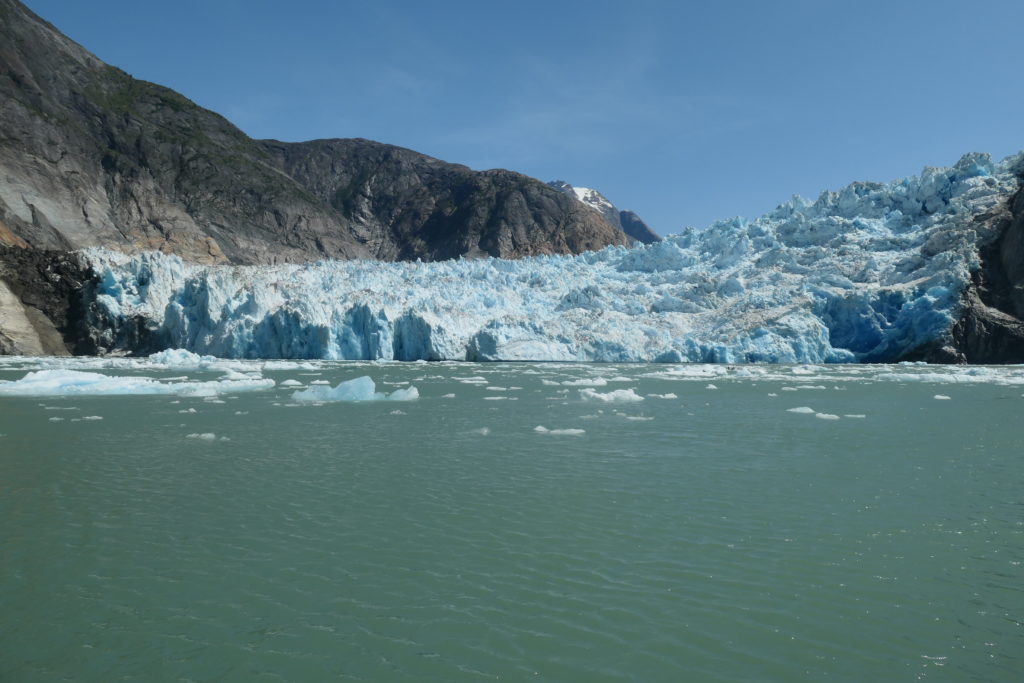 .There were plenty of fur seals watching us as we wended our way through the ice flows to get closer to the glacier. It had receded quite a bit since we were there last, but obligingly calved for us sending a wave of water towards the boat. We spent about half an hour there and about the same amount of time manoeuvring our way out before heading back.